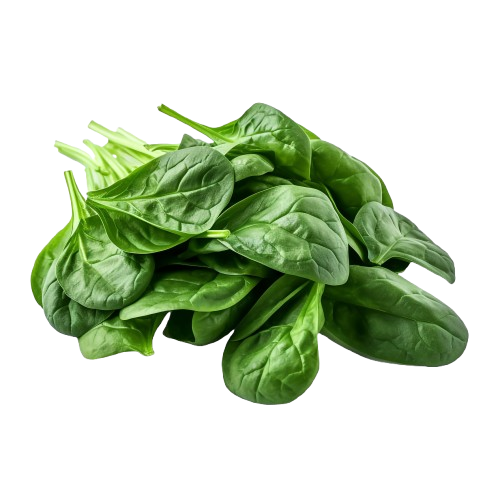
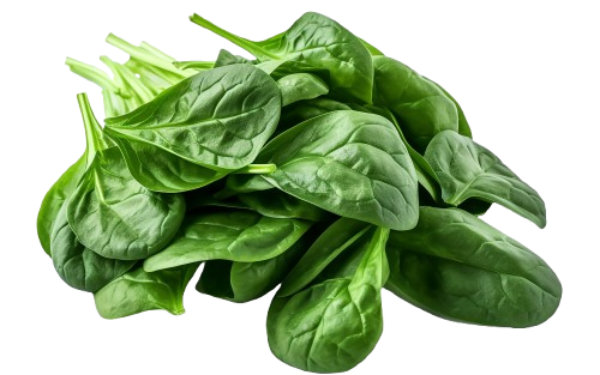
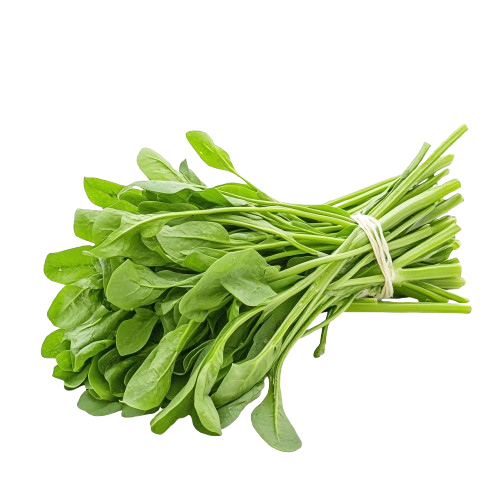
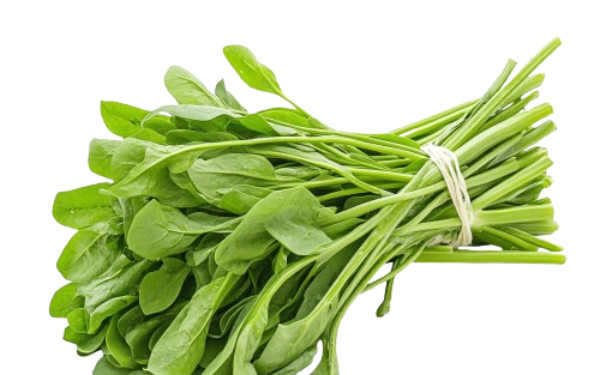
Spinach (Spinacia oleracea) is a leafy green vegetable known for its nutrient density, versatility, and medicinal properties. Native to Iran, spinach has been cultivated for centuries and is now widely grown in Europe, North America, and Asia. Packed with vitamins, minerals, antioxidants, and fiber, spinach is recognized for its heart health benefits, digestive support, and […]
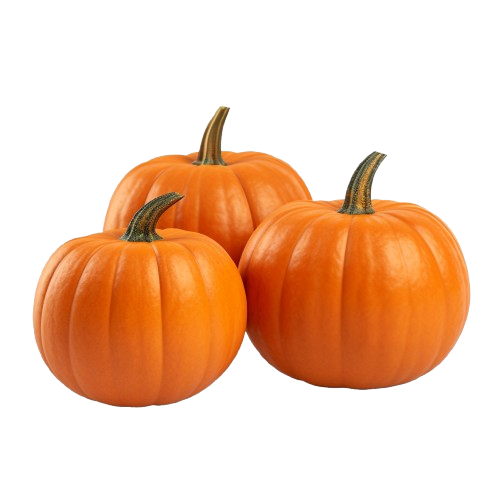
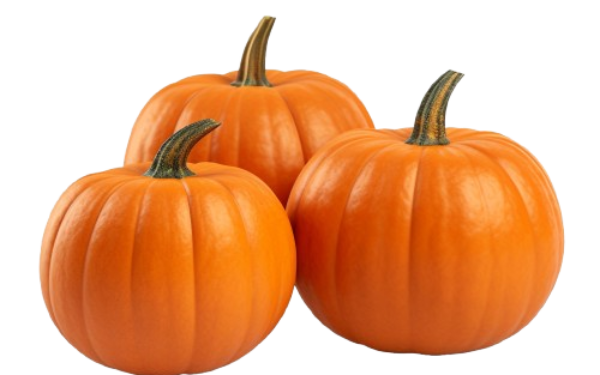
Pumpkin (Cucurbita spp.) is a nutrient-rich fruit widely cultivated across North America, Europe, Asia, and Australia. Known for its bright orange color and versatility, pumpkins are used in culinary dishes, decorations, and traditional medicine. Packed with fiber, vitamins, antioxidants, and essential minerals, pumpkins are recognized for their immune-boosting effects, and skin-enhancing properties. Pumpkin (Cucurbita spp.) […]
Fenugreek Leaves (Trigonella foenum-graecum), commonly known as methi, are a nutrient-rich herb widely cultivated in India, the Mediterranean, and parts of Europe and Africa. Known for their distinct aroma, slightly bitter taste, and medicinal properties, fenugreek leaves have been used in Ayurveda and traditional medicine for centuries. Fenugreek Leaves (Trigonella foenum-graecum) – A Comprehensive Guide […]
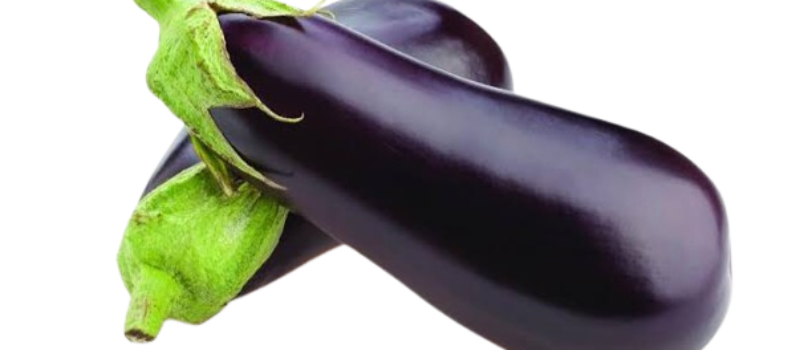
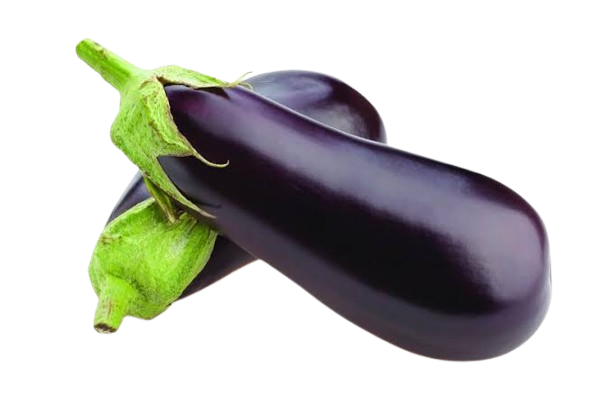
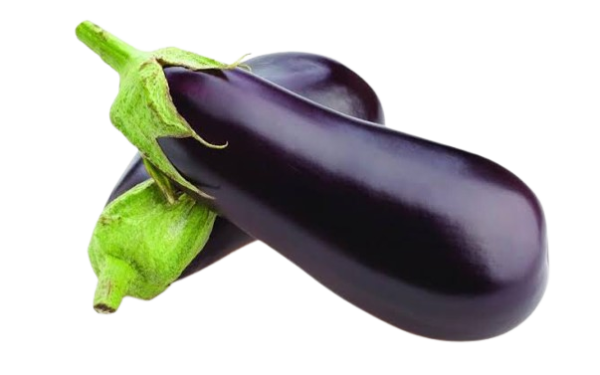
Eggplant (Brinjal) (Solanum melongena), commonly known as brinjal, is a nutrient-rich fruit widely cultivated across India, China, Southeast Asia, and Mediterranean regions. Though botanically classified as a berry, it is commonly used as a vegetable in culinary applications. Known for its deep purple color, spongy texture, and versatility, eggplant is a staple ingredient in global […]
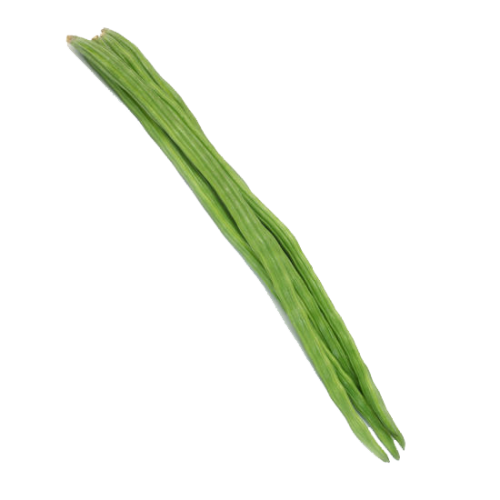
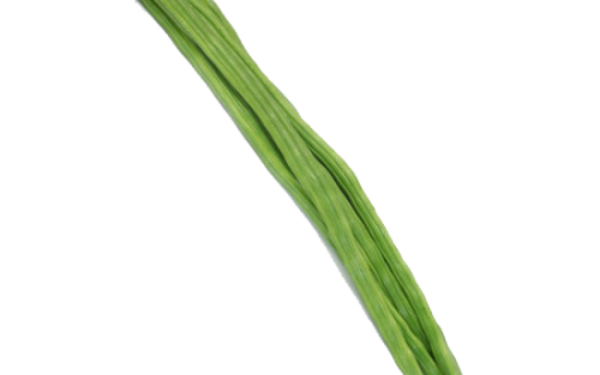
Drumstick pods (Moringa oleifera), commonly known as moringa pods, are the nutrient-rich seed pods of the moringa tree, widely cultivated in India, Africa, and tropical regions worldwide. Known for their long, slender shape, mild flavor, and medicinal properties, drumstick pods have been used in Ayurveda and traditional medicine for centuries. Drumstick Pods (Moringa oleifera) – […]
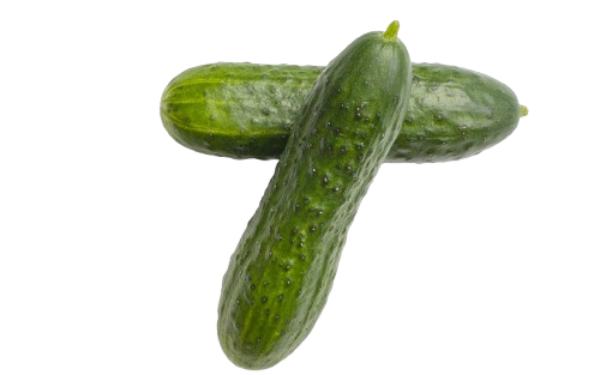
Cucumber (Cucumis sativus) is a widely cultivated creeping vine plant belonging to the gourd family (Cucurbitaceae). It produces elongated, cylindrical fruits, commonly consumed as a vegetable in salads, pickles, and beverages. Originating from India and Southeast Asia, cucumbers are now grown worldwide, with China, India, and the United States being the largest producers. Cucumber (Cucumis […]
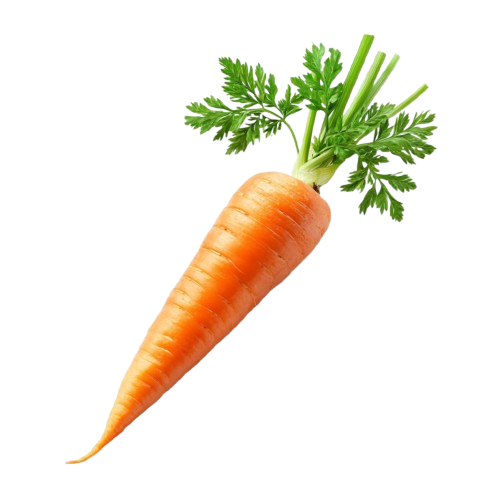
Carrot (Daucus carota) is a nutrient-rich root vegetable widely cultivated across Europe, Asia, and North America. carrots have been used in traditional medicine and culinary practices for centuries. Packed with beta-carotene, fiber, vitamins, and essential minerals, carrots are recognized for their eye health benefits, digestive support, and immune-boosting properties. Carrot (Daucus carota) – A Comprehensive […]
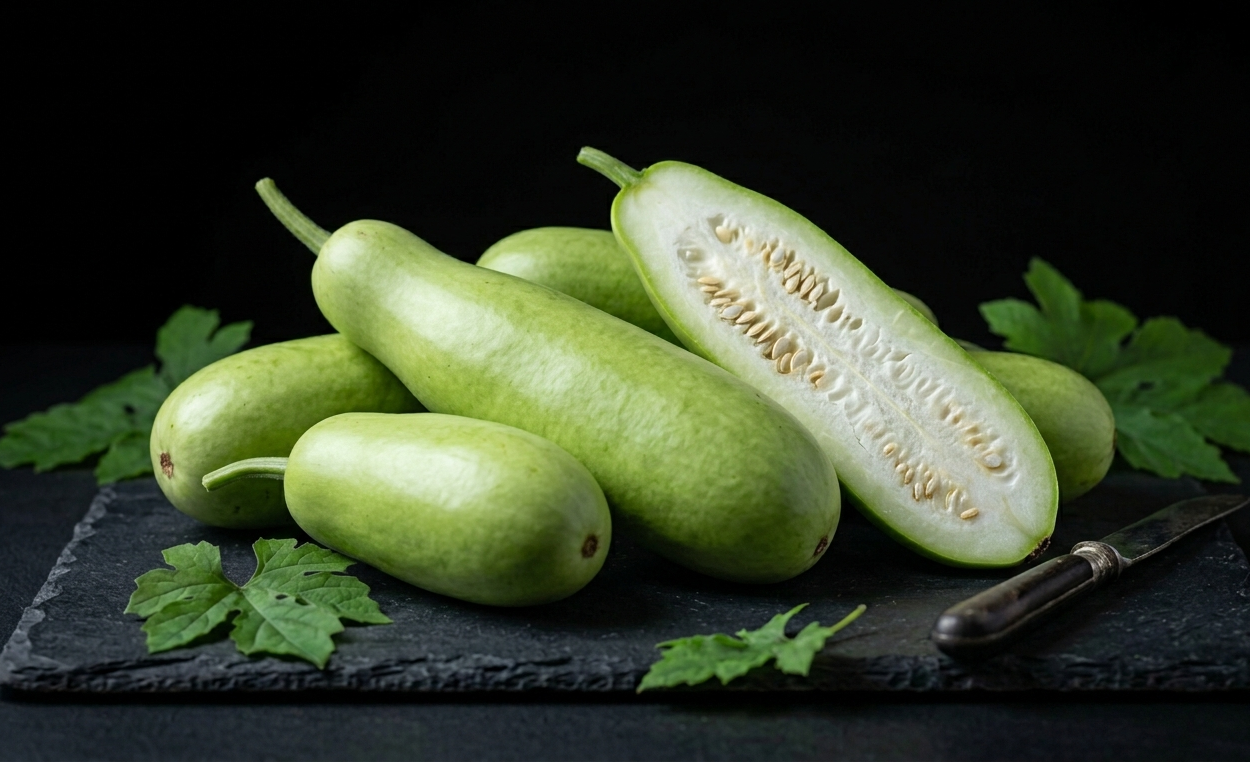
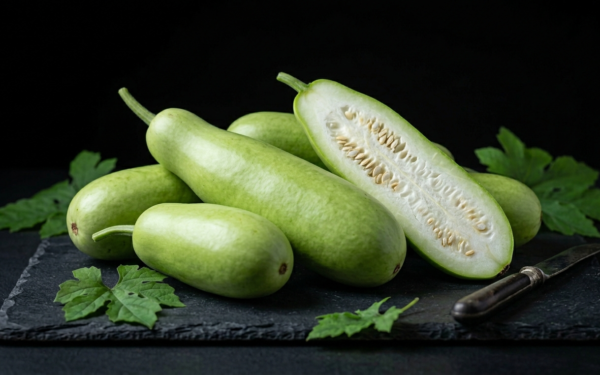
Bottle gourd (Lagenaria siceraria), commonly known as lauki, calabash, or dudhi, is a nutrient-rich vegetable widely cultivated in India, Africa, and tropical regions worldwide. Known for its mild taste, high water content, and medicinal properties, bottle gourd has been used in Ayurveda and traditional medicine for centuries.
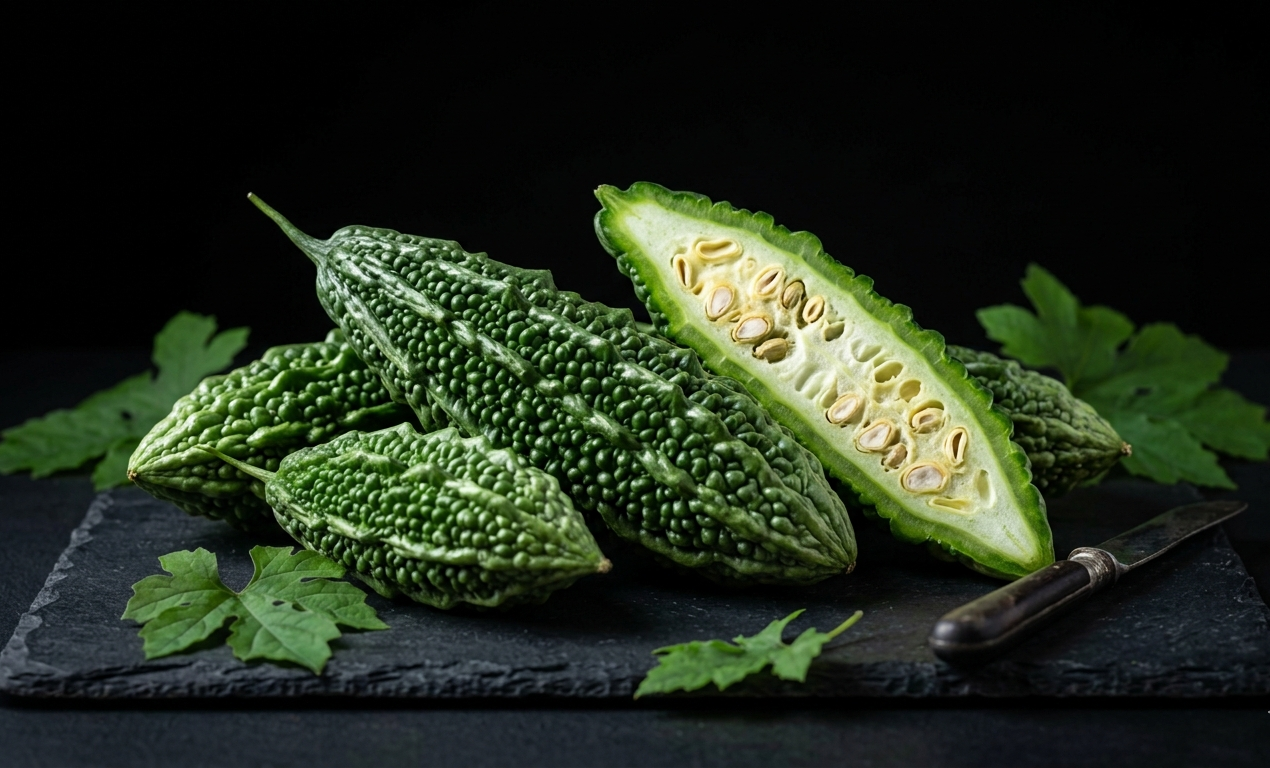
Bitter gourd (Momordica charantia), also known as bitter melon, karela, or balsam pear, is a nutrient-rich vegetable widely cultivated in India, China, Southeast Asia, and tropical regions. Known for its distinctively bitter taste, medicinal properties, and culinary versatility, bitter gourd has been used in Ayurveda and traditional medicine for centuries. Bitter Gourd (Momordica charantia) – […]