
Amaranth: The Ancient Rebel with Modern Roots
Category: Functional Foods & Nutrition | Estimated Reading Time: 12–15 minutes
Amaranth at First Glance: A Plant That Won’t Sit Still
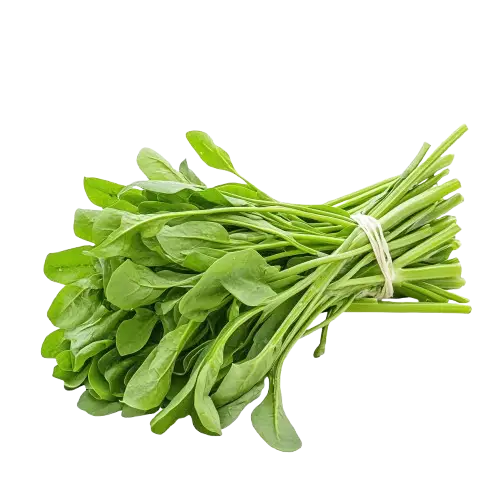
It doesn’t stand quietly like spinach or spread lazily like chard. Amaranth grows like it has something to prove. The leaves shoot upward fast—sometimes red-veined, sometimes dark green, sometimes with a purplish hue that looks almost bruised. And the flowers? They erupt. Long tassels, sometimes upright like torches, sometimes drooping like chandeliers that forgot to age.
There’s something deliberate about the way it fills space. You’ll find it thriving in broken sidewalks in Kenya, tucked between rice paddies in Uttarakhand, or waving defiantly on wind-swept hillsides in Oaxaca. It’s an adaptable fighter of a plant—technically from the Amaranthus genus, which includes over 60 recognized species, many of which blur the line between weed and food crop.
You can recognize it by its red-tinted stems, alternating leaves, and a certain dusty, mineral smell when rubbed. Amaranth doesn’t just grow—it declares itself.
From Andean Mountains to Global Gardens: The Journey of Amaranth
Amaranth’s roots are tangled, in the best way. It was first cultivated more than 6,000 years ago by indigenous farmers in Central and South America. The Aztecs considered huautli (amaranth grain) sacred and used it in both ceremonial rituals and as a staple food—often mixed with honey and shaped into figurines.
Meanwhile, in India and the Himalayas, different species were being domesticated for both greens and grain. Known as rajgira or ramdana, it found a place in temple food and mountain kitchens. Across Africa and the Caribbean, amaranth greens became key to survival—especially when nothing else would grow.
It thrives in poor soil, tolerates drought, and matures fast. Grain types are usually ready in 90–100 days; leafy types in just 30–40. Direct sow it in well-drained soil, let the sun do its work, and the plant does the rest. Just watch for birds—they love the seeds almost as much as we do.
Amaranth Through the Ages: Resilience in Every Culture
In pre-Columbian Mesoamerica, amaranth was central to ritual, nutrition, and resistance. The Spanish tried to erase it. They couldn’t. In India, it became a fasting staple—not a grain by religious law, but a full meal by nutrient logic. In Africa, it’s baby food, recovery food, wartime food. That’s resilience.
Wherever the plant traveled, it adapted—quietly but consistently. In modern food systems, it’s a fallback crop. In cultural memory, it’s a food of dignity. No hype. Just history.
What Makes Amaranth Tick? Its Chemical Arsenal
Amaranth leaves contain powerful betalains—natural antioxidants found in red and purple cultivars. Quercetin and kaempferol, two well-researched polyphenols, modulate inflammatory pathways and support immune health. These compounds work behind the scenes, subtly maintaining vascular tone and cellular function.
Its seeds? That’s another story. Amaranth grain has all nine essential amino acids—making it a complete protein, unlike wheat or rice. It’s also rich in squalene, a compound often found in shark liver oil that may support cholesterol regulation and membrane stability.
Phytosterols, lunasin-like peptides, tocotrienols—amaranth is a biochemical multitool. Each compound plays a role in moderating lipids, supporting anti-inflammatory pathways, or delivering long-term metabolic benefits.
Amaranth by the Numbers: Nutritional Breakdown
Cooked Amaranth Grain (100g):
- Calories: ~102 kcal
- Protein: ~3.8 g
- Carbohydrates: ~19 g
- Fat: ~1.6 g (mostly unsaturated)
- Fiber: ~2.1 g
- Iron: ~2.1 mg
- Magnesium: ~65 mg
- Calcium: ~116 mg
Cooked Amaranth Leaves (100g):
- Calories: ~23 kcal
- Protein: ~2.5 g
- Vitamin A: ~290% DV
- Vitamin C: ~45% DV
- Calcium: ~215 mg
- Iron: ~2.3 mg
- Potassium: ~400 mg
- Folate: ~85 µg
Compared to spinach, the leaves contain more calcium and fewer oxalates. The grain offers a protein profile superior to most cereals. And for communities with limited access to animal products, amaranth closes critical nutrient gaps.
Cooking with Amaranth: Tips from the Field
The grain doesn’t behave like rice. Cook it wrong, and it turns to mush. Use 3:1 water-to-grain, toast it first if possible, and simmer slowly. Think porridge, not pilaf.
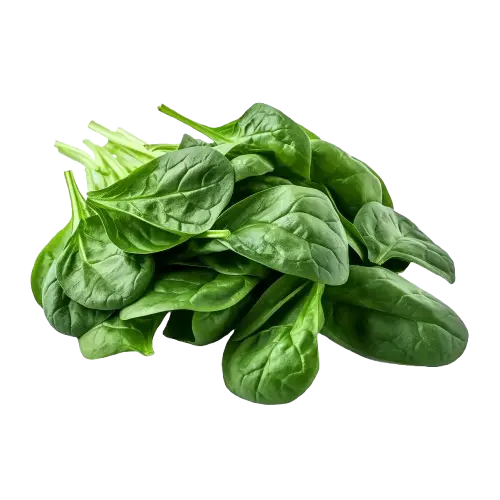
For leaves, treat them like spinach—but with more water and more structure. Sauté with garlic and oil, add to dals, or steam lightly. Don’t boil unless you want soup. In Caribbean cuisine, amaranth (as callaloo) is cooked with coconut milk and spices. In East Africa, it’s boiled with peanuts or mashed into ugali.
One warning: it shrinks a lot. Cook more than you think you need. It disappears fast.
Traditional Uses Meet Modern Research
Ayurveda classifies amaranth as cooling and blood-strengthening. It’s prescribed during recovery and for rebuilding tissue. African and Caribbean medicinal practices use it for anemia, digestive complaints, and skin infections.
What the Science Supports:
- Reduces LDL cholesterol (via squalene and phytosterols)
- High antioxidant activity (betalains, flavonoids)
- Anti-inflammatory potential (lunasin-like peptides)
- Improved satiety and glycemic control (protein + fiber synergy)
Still Under Investigation:
- Lunasin’s anticancer activity
- Squalene bioavailability from plant sources
- Effects of regular grain intake on metabolic disorders
Oxalates and phytates still pose challenges for mineral absorption. But traditional methods—soaking, fermenting, cooking—help reduce them significantly.
What’s Next for Amaranth?
Breeding programs are working on low-oxalate, high-yield varieties. Food tech innovators are exploring amaranth peptides for cholesterol, diabetes, and inflammation. Climate-resilient agriculture models increasingly feature amaranth in dryland zones. Even NASA has looked into it for space farming, due to its short life cycle and edible biomass.
Amaranth isn’t the future because it’s new. It’s the future because it’s ancient—and it still works.