
Spinach: The Unsung Architect of Strength and Soil
Estimated reading time: ~12 minutes | Category: Nutrition & Food Science
Spinach at First Glance: More Than Just a Leaf
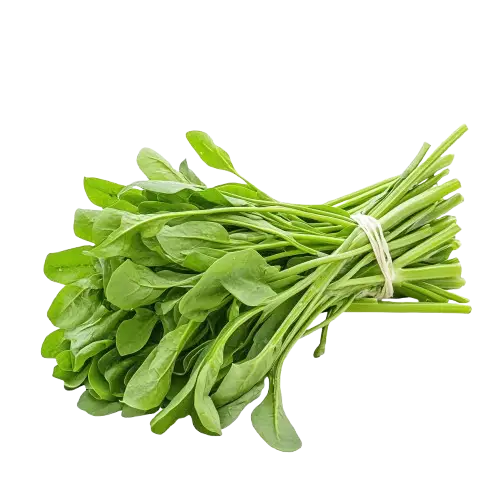
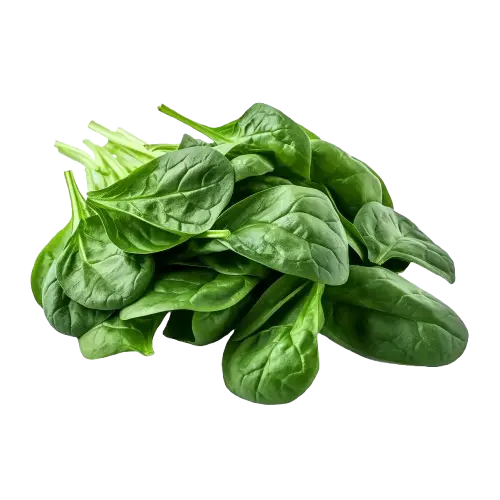
It’s easy to miss spinach if you’re not looking for it. Tucked low to the ground, it doesn’t parade itself like kale or stretch dramatically like mustard. Yet there’s something about the deep green of its leaves—smooth in some cultivars, wildly puckered in others—that suggests a kind of internal tension. Like it’s holding back more than it shows.
Spinacia oleracea, classified in the Amaranthaceae family, shares lineage with beets and quinoa. Its tight rosette structure, efficient leaf arrangement, and photoperiod sensitivity make it a uniquely temperate crop. When temperatures rise and daylight stretches, spinach bolts—shifting abruptly from leaf production to flowering. That shift is dramatic and irreversible.
Brush against its leaves at sunrise, and you’ll feel the fine grit of calcium oxalate—a reminder that spinach didn’t evolve to be eaten. It evolved to survive.
From Persian Valleys to Global Gardens: Spinach’s Journey
Originating in ancient Persia, spinach was valued for its “cooling” qualities and capacity to grow when other vegetables wouldn’t. Arab traders carried it across continents, where it took root in China by the 7th century as the “Persian vegetable.” In Europe, monks cultivated it in cold monastery gardens, particularly during Lent, when meat was forbidden.
Today, spinach is grown globally. In India, it’s harvested young and often direct-seeded. In California, massive mechanized fields grow it for baby-leaf salad mixes. But in every context, it thrives in cooler temperatures—ideal between 10–20°C—and suffers under long-day heat stress.
It grows fast (35–50 days), prefers nitrogen-rich friable soil, and bolts quickly if conditions shift. A precise crop that rewards attentive hands.
Spinach Through the Ages: From Monasteries to Military Rations
Medieval Islamic texts praised spinach as a digestive aid and liver tonic. In Europe, it became a fasting food—easy to digest, available in cool months, and adaptable to vinegar-based preparations common in monastic kitchens. Ayurveda saw it as mildly laxative and blood-purifying, especially when tempered with spices and ghee.
French cuisine embraced it under Escoffier, weaving it into soufflés and gratins. In the 1930s, American nutritionists overstated its iron content due to a decimal-point error, inadvertently fueling spinach’s reputation for strength. Pop culture sealed the myth through Popeye.
Spinach never led the stage. But it held the foundation—consistently nourishing bodies, fasting rituals, and wartime diets.
The Chemistry Behind Spinach’s Power
Spinach delivers more than vitamins. Its biochemical portfolio is loaded with chlorophyll, carotenoids (lutein, zeaxanthin, beta-carotene), and polyphenols (apigenin, ferulic acid). These interact with human antioxidant systems, modulate inflammation, and support ocular and cardiovascular health.
Its nitrate content—200–400 mg/100g depending on conditions—converts in the body to nitric oxide, improving blood vessel function and endurance. The chloroplast-derived thylakoids slow gastric emptying and fat digestion, increasing satiety and moderating post-meal blood sugar spikes.
However, high oxalate content (~970 mg/100g) binds to minerals like calcium and iron, reducing their bioavailability. Cooking helps, but balance and pairing with absorption-enhancing foods (e.g., citrus) is essential.
Spinach by the Numbers: Nutritional Analysis
| Nutrient (Per 100g, raw) | Amount | % Daily Value |
|---|---|---|
| Calories | 23 kcal | — |
| Protein | 2.9 g | 6% |
| Fiber | 2.2 g | 8% |
| Vitamin A | 469 µg | 52% |
| Vitamin C | 28 mg | 31% |
| Vitamin K1 | 483 µg | 402% |
| Folate | 194 µg | 49% |
| Iron | 2.7 mg | 15% |
| Magnesium | 79 mg | 20% |
| Potassium | 558 mg | 12% |
Compared to kale, spinach excels in folate and magnesium. It’s lower in calcium but higher in nitrates. Versatile, light, and loaded with micronutrients—it supports bone, eye, and blood vessel health while remaining low in calories.
From Garden to Table: Cooking with Spinach
Spinach cooks fast. Too fast, sometimes. A minute too long and it collapses into a swampy green mass. But cooked just right—in fat, with salt and acid—it delivers minerality, depth, and warmth.
Blanching reduces oxalates. Sauteéing with ghee or olive oil boosts carotenoid absorption. Add it at the end of a soup, not the beginning. In India, it’s blended into palak paneer; in Greece, wrapped in pastry for spanakopita; in Japan, blanched and dressed in sesame paste.
Avoid aluminum pans—spinach discolors and picks up off flavors. When freezing, blanch first to deactivate enzymes and preserve nutrients. And never leave it soaking in water—spinach is a sponge and loses texture rapidly.
The Science of Spinach’s Health Benefits
Clinical trials support spinach’s nitrate-induced blood pressure reduction. In one study, 300g/day lowered systolic pressure by 4.2 mmHg within two weeks. Thylakoids from spinach suppress appetite and improve satiety—promising for metabolic interventions.
Spinach’s polyphenols show anti-inflammatory behavior in vitro. Its folate reduces homocysteine, supporting heart and neurological health. The carotenoids protect against macular degeneration when consumed regularly and paired with dietary fats.
Traditional uses describe spinach as cooling, blood-enriching, and mildly laxative. While not fully validated, many such claims align with current science—especially its support for digestion and thermoregulation.
Precautions? High oxalates may pose a problem for kidney stone formers. Nitrate levels require caution for infants. And its high vitamin K content interacts with blood thinners. Consistency, not avoidance, is key for those on medication.
What’s Next for Spinach?
Spinach is ripe for reinvention. Breeders are targeting lower-oxalate varieties. Urban farms are testing hydroponic spinach for year-round production. Functional food labs are isolating thylakoids and nitrate matrices for use in sports nutrition and cardiovascular therapy.
What spinach lacks in drama, it makes up for in dependability. In an unstable food landscape, it remains a resilient, nutrient-rich ally. Not because it’s trendy—but because it works.