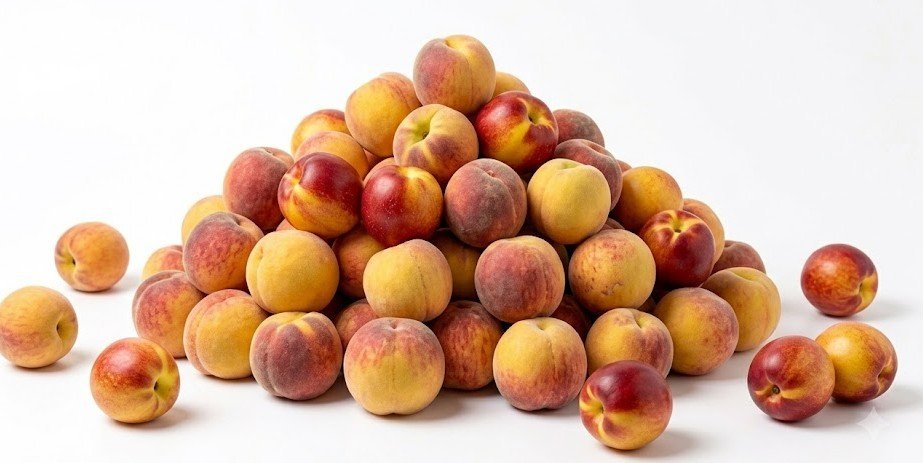

Peach is a highly nutrient-dense fruit belonging to the rose family (Rosaceae). Specifically, it is grown globally for its juicy, velvet-skinned drupes. This unique fruit is widely celebrated for its delicate aroma and melting texture. Additionally, it features a beautifully sweet and mildly acidic flavor profile. For this reason, it has become a major seasonal favorite in many international markets.
Originally, the fruit was native to Northwest China along the Tarim Basin. However, it was domesticated thousands of years ago by early agricultural communities. Later on, it spread across the globe through the ancient Silk Road and Mediterranean maritime networks. Today, it is grown extensively across Asia, Europe, and the Americas. Consequently, it is prized in fresh platters, baked cobblers, traditional purees, and healthy summer beverages.
Because it is packed with vitamins, minerals, dietary fiber, and unique plant compounds, this stone fruit is highly valued by nutritionists. It offers incredible nutritional density alongside remarkable culinary versatility. Therefore, this comprehensive guide explores its history, nutritional profile, health benefits, traditional uses, cultivation methods, and practical ways to include it in your daily diet.
The History of Peach & Its Cultural Importance
This fruit has a long agricultural history rooted deeply in ancient Asian cultures. Over time, it spread across the globe through continuous migration and trade.
Peach Through the Ages
- Ancient Chinese Roots: Cultivated since 6000 BCE in China, where it historically symbolized longevity, protection, and immortality.
- The Persian Connection: Introduced widely to Persia along the Silk Road trade route. Consequently, early European botanists mistakenly believed it originated there, leading to its scientific name.
- Western Expansion: Alexander the Great introduced the fruit to Greece, and Spanish explorers later carried it to the Americas in the 16th century.
- Modern Popularity: The plant evolved into one of the most popular and commercially vital summer stone fruits globally. As a result, it is highly celebrated in both fresh snacking and the culinary arts.
Botanical Description of Peach
Prunus persica belongs to the Rosaceae family. For instance, it is closely related to other prized stone fruits like plums, cherries, almonds, and apricots.
Plant Characteristics
- Growth: It grows naturally as a small deciduous tree. Usually, it reaches 4 to 10 meters in height and features a stunning display of pink spring blossoms.
- Leaves: The tree produces lanceolate, finely serrated dark green leaves. In addition, these leaves have a glossy upper surface and are arranged alternately.
- Flowers: It bears solitary or paired pink flowers featuring five petals. Typically, these blossoms appear early in the spring before the leaves unfurl.
- The Fruit: It forms a classic fuzzy-skinned drupe fruit. Furthermore, the skin varies from pale yellow to deep orange blushed with red. The sweet, juicy inner flesh closely surrounds a single, large, deeply furrowed woody pit.
Growing Conditions
This fruit is a temperate crop. Therefore, it requires warm summer climates and a distinct winter chilling period to set high-quality fruit.
- Ideal Temperature: It prefers warm summer temperatures between 24–30°C for ripening. However, it requires significant winter chilling hours below 7°C to break plant dormancy.
- Soil Type: It thrives best in well-drained, deep loamy or sandy loam soil. On the other hand, it cannot tolerate waterlogged roots or heavy clay.
- Propagation: It is regularly propagated through budding or grafting named cultivars onto sturdy rootstocks. Nevertheless, it can also grow from seeds with proper stratification.
- Harvesting Season: Farmers typically harvest it during the summer months. Specifically, they pick it when the fruit turns completely yellow-orange and detaches easily from the stem.
Nutritional Profile of Peach
This fruit is naturally exceptionally low in calories. Furthermore, it contains high amounts of Vitamin C and protective carotenoid antioxidants. As a result, it is a favorite among health-conscious snackers and hydration seekers.
Nutrients (Per 100g Raw Serving)
| Nutrient | Amount | Health Benefits |
| Energy | 39 kcal | Low-calorie source of clean, highly hydrating cellular energy |
| Protein | 0.9g | Supplies trace structural plant protein building blocks |
| Dietary Fiber | 1.5g | Supports healthy gastrointestinal tracking and motility |
| Vitamin C | 6.6mg | Supports immune cell signaling and skin tissue repair |
| Vitamin A | 16µg | Essential for vision support and skin cell renewal |
| Potassium | 190mg | Regulates healthy fluid balances and blood pressure metrics |
| Water Content | 88.9g | Provides structured, naturally sweet cellular hydration |
Note: Leaving the skin intact is highly recommended, as the velvety peel contains significantly higher concentrations of antioxidants compared to the flesh. (Source: USDA FoodData Central)
Peach Benefits for Your Everyday Health
1. Provides Deep Antioxidant Defense
Packed with immense concentrations of chlorogenic acid and beta-carotene, it actively shields delicate cellular structures from systemic oxidative stress.
2. Promotes Smooth Digestive Health
Boasting a healthy mixture of soluble and insoluble dietary fiber, it encourages consistent bowel motility and feeds helpful gut microbes.
3. Promotes Healthy Looking Skin
The robust combination of high water content and Vitamin C helps lock in deep cellular hydration while supporting natural collagen synthesis.
4. Supports Cardiovascular Wellness
Its natural potassium content works efficiently alongside dietary fiber. Consequently, it assists the body in regulating optimal, healthy blood pressure curves.
5. Supports Stable Blood Sugar Management
Features a low glycemic index rating. Because its natural fruit sugars are released gradually into the bloodstream, it prevents rapid insulin spikes.
6. Supports Immune Function
The substantial levels of Vitamin C and Vitamin A work closely together to reinforce the body’s natural defense barriers against daily environmental stress.
7. Enhances Meals Naturally
Brings a vibrant burst of warm color, refreshing moisture, and a distinct sweet fragrance to breakfast bowls and savory dishes alike.
Traditional & Modern Culinary Uses for Peach
1. Fresh Raw Snacking
First, wash the fresh fruit thoroughly under cold water to remove excess fuzz. Then, bite directly into the sweet flesh while safely discarding the central stone pit.
2. Wholesome Summer Salads
Tossing fresh peach slices with baby spinach, walnuts, and a light citrus vinaigrette brings a beautiful contrast of texture and acidity.
3. Grilled Fruit Sides
Searing thick peach halves briefly on a hot grill pan caramelizes the natural sugars, creating a deeply rich, smoky profile perfect for savory pairings.
4. Refreshing Purees and Smoothies
Blending the sweet flesh with cold coconut water or plant-based yogurt yields an exceptionally smooth, hydrating beverage without requiring added sugars.
How to Include Peach in Your Diet
- Fresh Summer Slices – Keep a bowl of ripe stone fruit at room temperature to enjoy as a quick afternoon snack.
- Vibrant Fruit Salad – Mix golden slices with fresh blueberries, raspberries, and a sprig of fresh mint.
- Fragrant Morning Oats – Chop a fresh fruit and swirl it directly into your warm morning porridge with a dash of nutmeg.
- Smoky Grilled Halves – Grill halved pieces for 3 minutes, finishing with a drizzle of pure maple syrup.
- Nutritious Fruit Salsa – Dice raw peaches with red onions, jalapeños, cilantro, and lime juice for a sweet and spicy topping.
Side Effects & Precautions
While generally safe and highly beneficial for most people, certain precautions apply:
- Mild temporary gas or bloating may manifest in individuals whose digestive tracts are highly sensitive to specific short-chain fruit sugars (FODMAPs).
- Stone Pit Safety Warning: The hard central pit contains trace amounts of cyanogenic glycosides; therefore, the pits must always be discarded and should never be cracked or swallowed.
- Allergic cross-reactions can occur in rare individuals who experience seasonal sensitivities to birch pollen.
Ultimately, individuals seeking to maximize their daily dietary balance should enjoy fresh peaches whole with their skin intact to maximize their dietary fiber intake. (Source: Wikipedia: Peach)
Conclusion
In summary, Prunus persica is a nutrient-rich fruit celebrated for its refreshing sweetness, skin-loving antioxidants, and exceptional culinary utility. From simple raw snack slices to contemporary grilled sides, fresh salsas, and morning purees, peach provides an outstanding burst of flavor and wellness properties to global food cultures. Whether eaten fresh on a hot summer day or folded into clean recipes, it delivers fantastic life-giving value to a balanced lifestyle.
Therefore, start introducing fresh peaches into your weekly fruit rotations. Ultimately, you will enjoy its distinct sweetness and protective properties as part of a natural, healthy lifestyle.