
Seaweed boasts a loyal following among culinary chefs, functional nutritionists, and longevity researchers alike. These remarkable marine algae pack powerful fucoidans, iodine, and antioxidant compounds into every serving. Research supports their health benefits far beyond typical coastal-cuisine hype.
Let us examine what these plants genuinely achieve for thyroid regulation, gut health, and cellular defense. Furthermore, we will cover areas where science needs more human trials and how to consume them safely.
What Is Seaweed?
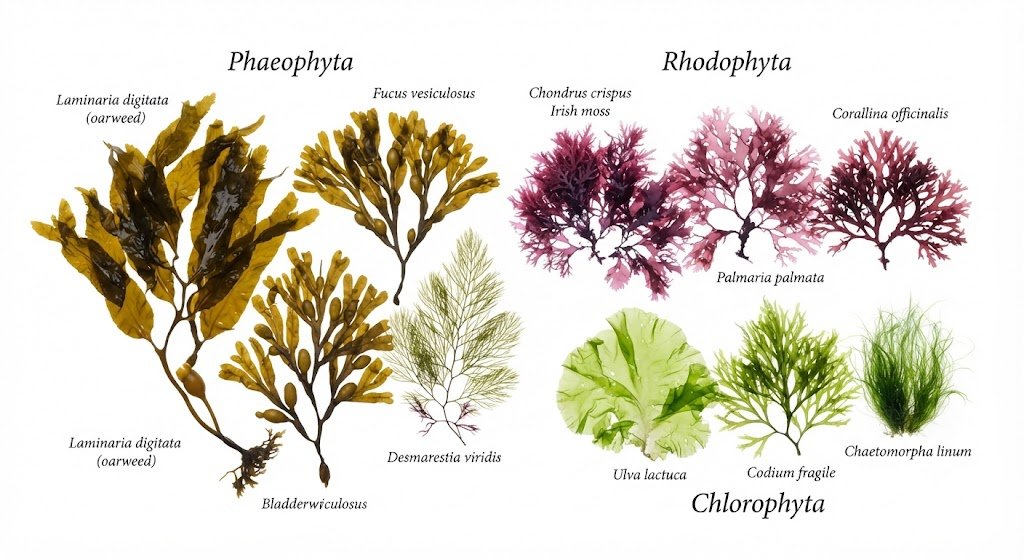
Seaweed encompasses diverse multicellular marine algae grouped into brown algae (Phaeophyta), red algae (Rhodophyta), and green algae (Chlorophyta). They thrive in coastal waters worldwide. Consequently, they have served traditional coastal diets and ancient herbalism for millennia. Their flexible fronds, thalli, and blade structures house the active phytochemicals.
A single serving of dried or fresh marine greens delivers concentrated trace minerals, specialized polysaccharides, and bioactive pigments rather than heavy macronutrients. Active plant compounds like fucoidan, alginate, fucoxanthin, and natural iodine drive their distinct therapeutic activity and antioxidant properties.
How Seaweed Supports Health and Disease Prevention
Thyroid Regulation and Metabolic Support
This stands as one of the plant’s most famous benefits, particularly regarding endocrine function and metabolic hormone synthesis.
-
The Mechanism: Natural iodine acts as an essential substrate for thyroid hormones, which regulate basal metabolic rate, energy production, and cellular growth across tissues.
-
The Research: Nutritional evaluations demonstrate that adequate, controlled consumption of iodine-rich marine algae supports healthy thyroid function and prevents deficiency-related disorders.
Gastrointestinal Wellness and Prebiotic Support
Gut health and regularity rely heavily on specialized marine fibers and beneficial microbial populations.
-
The Mechanism: Soluble dietary fibers like alginates and sulfated polysaccharides pass through the upper digestive tract undigested to nourish beneficial colon bacteria.
-
The Research: Gastrointestinal studies show that incorporating marine polysaccharides into daily routines supports a balanced microbiome and promotes optimal digestive function.
Cellular Defense and Antioxidant Protection
Cellular longevity and internal defense depend heavily on protection against oxidative stress and free-radical damage.
-
The Mechanism: Unique carotenoids like fucoxanthin and diverse polyphenols neutralize harmful reactive oxygen species across delicate tissues throughout the body.
-
The Research: Biochemical assessments confirm that regular dietary intake of antioxidant-rich seaweed provides robust protection against cellular wear and tear and systemic inflammation.
Cardiovascular Health and Lipid Balance
Systemic wellness and circulatory efficiency rely heavily on compounds that support healthy blood lipid profiles and vascular tone.
-
The Mechanism: Bioactive peptides and soluble fibers help modulate cholesterol absorption and support healthy blood vessel elasticity.
-
The Research: Nutritional science indicates that regular inclusion of marine algae supports cardiovascular health and helps maintain balanced lipid markers.
How to Add Seaweed to Your Diet
The therapeutic marine plant is versatile, functioning as a savory, umami-rich culinary addition to diverse home-cooked dishes:
-
Wrapped around sushi rolls: Enjoy crisp nori sheets as a wrapper for rice, fish, and vegetables to secure a quick mineral boost.
-
Rehydrated in miso soups: Simmer wakame or kelp flakes in traditional broths to impart a rich umami depth and soft texture.
-
Roasted as a crunchy snack: Bake seasoned nori sheets with sesame oil and sea salt for a light, nutrient-dense snack alternative.
-
Start moderately: Begin with standard culinary portions, especially with iodine-dense varieties like kelp, to allow your endocrine system to adapt comfortably.
Safety Considerations for Seaweed
The oceanic greens are remarkably safe for most individuals. However, specific physiological factors require attention:
-
Iodine Overconsumption Risks: Because certain varieties like kelp contain extremely high concentrations of iodine, excessive intake can potentially disrupt thyroid function and cause adverse hormonal effects.
-
Heavy Metal Absorption: Because marine algae absorb elements from their surrounding environment, purchasing organic seaweeds harvested from clean, tested waters is essential.
-
Gastrointestinal Adjustment: The high concentration of specialized marine fibers can occasionally cause mild digestive urgency or warmth in individuals unaccustomed to sea vegetables.
-
Allergic Sensitivities: Individuals with known sensitivities to iodine or seafood should exercise caution when introducing new marine algae into their diets.
The Bottom Line
The versatile marine greens back up their culinary reputation with a solid research base. Specifically, they shine regarding thyroid support, prebiotic digestive wellness, and antioxidant delivery. Distinguishing between proper portioning for iodine and understanding personal mineral needs remains the biggest variable in enjoying them safely.
Done right, they make a protective, therapeutic, and flavorful addition to a broader wellness lifestyle. They offer no standalone miracle cure. Yet, they remain some of the most mineral-dense and antioxidant-rich plants in the natural world.