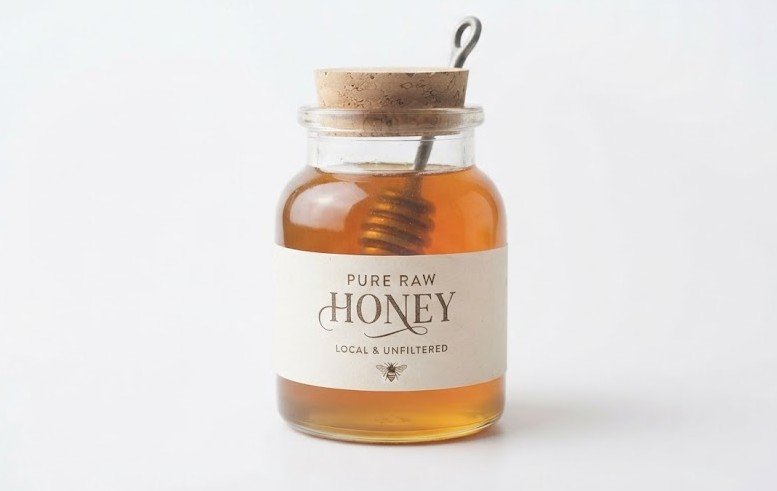

Honey boasts a loyal following among culinary traditionalists, natural remedy seekers, and athletes alike. This rich, golden sweetener packs powerful antioxidants, enzymes, and antimicrobial compounds into every serving. Research supports its health benefits far beyond typical pantry-staple hype.
Let us examine what this natural substance genuinely achieves for wound healing, cough relief, and metabolic support. Furthermore, we will cover areas where science needs more human trials and how to consume it safely.
What Is Honey?
Honey is a sweet, viscous fluid produced by honeybees (Apis mellifera) from the nectar of flowers or plant secretions. It is native to worldwide ecosystems and has served traditional global medicine and nutrition for millennia. Its complex carbohydrate structure and active biochemical compounds house its therapeutic properties.
A single serving of raw honey delivers simple carbohydrates alongside trace amounts of essential vitamins and minerals, including calcium, potassium, magnesium, and vitamin C. Active plant compounds like flavonoids, phenolic acids, and bee-derived enzymes drive its distinct taste and medicinal activity.
How Honey Supports Health and Disease Prevention
Wound Healing and Skin Protection
This stands as one of the substance’s most famous and well-researched benefits, particularly regarding topical antiseptic and tissue repair applications.
-
The Mechanism: High osmolarity, low moisture content, and enzymatic hydrogen peroxide production create an inhospitable environment for bacteria while promoting moist wound healing.
-
The Research: Extensive clinical trials demonstrate that medical-grade honeys (such as Manuka) effectively treat minor burns, abrasions, and chronic ulcers by accelerating cellular regeneration and reducing infection rates.
Cough Suppression and Upper Respiratory Relief
Symptomatic relief for nighttime coughing and upper respiratory tract infections relies heavily on soothing demulcent properties.
-
The Mechanism: Viscous golden nectar coats irritated mucous membranes in the throat while stimulating saliva production to calm cough receptors.
-
The Research: Human studies and pediatric guidelines indicate that a small dose provides effective relief from nocturnal coughs, often outperforming over-the-counter cough suppressants.
Powerful Antioxidant and Anti-inflammatory Protection
Systemic inflammation and oxidative stress drive chronic aging processes and tissue degeneration throughout the body.
-
The Mechanism: High concentrations of phenolic acids and flavonoids neutralize harmful free radicals and suppress pro-inflammatory signaling pathways.
-
The Research: Regular intake of dark, unrefined varieties bolsters internal antioxidant enzyme defenses, protecting cellular structures from long-term oxidative wear.
Gastrointestinal Health and Microbiome Support
Gastrointestinal wellness relies heavily on prebiotic compounds and antimicrobial agents that selectively influence gut bacteria.
-
The Mechanism: Oligosaccharides act as prebiotics to nourish beneficial gut microbes while inhibitory compounds help suppress pathogenic bacteria like Helicobacter pylori.
-
The Research: Clinical observations show that moderate consumption can support a diverse microbiome and assist with soothing mild gastrointestinal irritation.
Athletic Performance and Energy Support
Physical endurance and muscular energy recovery require quick-absorbing carbohydrate sources during prolonged exertion.
-
The Mechanism: A balanced blend of natural glucose and fructose provides both immediate energy and sustained glycogen replenishment during workouts.
-
The Research: Studies on endurance athletes confirm that consuming natural carbohydrates during exercise helps sustain performance output comparably to commercial sports gels.
How to Add Honey to Your Diet
The natural sweetener is versatile and fits easily into daily wellness routines:
-
Stirred into warm tea: Mix a teaspoon into herbal tea after it cools slightly to preserve active enzymes and soothe the throat.
-
Drizzled over yogurt or oats: Add a small amount to breakfast bowls for a touch of natural sweetness and complex flavor.
-
Used in homemade dressings: Blend it with olive oil, lemon juice, and mustard to create a vibrant vinaigrette.
-
Start moderately: Begin with small culinary portions (such as a teaspoon daily) to allow your metabolism to adapt comfortably to the concentrated natural sugars.
Safety Considerations for Honey
The natural substance is remarkably safe for most individuals, but specific factors require attention:
-
Infant Botulism Risk: Because raw and unpasteurized honey can contain dormant spores of Clostridium botulinum, infants under one year old should never consume it due to their immature digestive tracts.
-
Blood Sugar Impact: As a concentrated source of natural sugars (glucose and fructose), individuals managing diabetes or insulin resistance must monitor portions carefully to avoid blood sugar spikes.
-
Allergic Reactions: Individuals with severe allergies to bee stings, pollen, or specific plant proteins may experience hypersensitivity reactions and should exercise caution.
-
Caloric Density: Because the sweetener is calorie-dense, overconsumption without accounting for daily energy intake can contribute to weight gain over time.
The Bottom Line
The golden nectar backs up its ancient culinary reputation with an extraordinary research base, especially regarding wound care, cough relief, and antioxidant defense. Distinguishing between heavily processed commercial honey syrups and pure, raw, or medical-grade varieties remains the biggest variable in enjoying it safely.
Done right, it makes a soothing, therapeutic, and delicious addition to a broader wellness lifestyle. It offers no standalone miracle cure, but it remains one of the most clinically validated natural sweeteners in the world.