
Pine nuts boast a loyal following among functional nutritionists, holistic health seekers, and culinary enthusiasts. This remarkable tree seed packs powerful pinolenic acid, healthy fats, and plant sterols into every serving. Furthermore, research supports its health benefits far beyond typical seed-snack expectations.
Let us examine what this plant achieves for appetite regulation, cardiovascular health, and cellular defense. In addition, we will cover areas where science needs human trials and how to consume pine nuts safely.
What Is a Pine Nut?
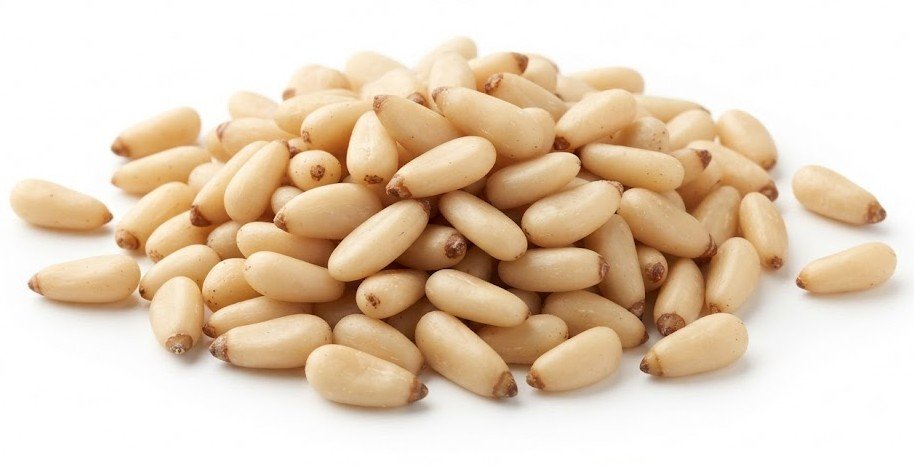
Pine nuts (Pinus spp.), widely celebrated as small, buttery kernels, are the edible seeds harvested from the cones of various pine tree species. They are native to temperate regions across the Northern Hemisphere. Consequently, this beloved food has served traditional Mediterranean and Asian cuisines for millennia. Their tough woody shells and rich, ivory kernels house active phytochemicals.
A single serving of raw kernels delivers concentrated micronutrients, healthy fats, and specialized fatty acids rather than heavy carbohydrates. Active plant compounds like pinolenic acid, vitamin E, pinene, and diverse phytosterols drive its therapeutic activity and antioxidant properties.
How Pine Nuts Support Health and Disease Prevention
Pine Nuts for Appetite Regulation and Weight Management
Maintaining healthy body composition relies heavily on foods that promote long-lasting fullness and curb unnecessary caloric intake.
-
The Mechanism: Unique polyunsaturated fatty acids, particularly pinolenic acid, stimulate key satiety hormones like cholecystokinin to signal fullness to the brain.
-
The Research: Nutritional evaluations demonstrate that moderate consumption of pine nut oils and whole kernels supports healthy appetite control and weight management.
Cardiovascular Health and Lipid Balance
Heart wellness and circulatory efficiency rely heavily on maintaining healthy cholesterol levels and protecting blood vessels.
-
The Mechanism: Abundant monounsaturated and polyunsaturated fats work synergistically to help lower LDL cholesterol levels and support healthy blood lipid profiles.
-
The Research: Cardiovascular science shows that consistent dietary inclusion of nutrient-dense pine nuts significantly supports vascular resilience and overall heart function.
Cellular Defense and Antioxidant Protection
Cellular longevity and internal defense depend heavily on protection against oxidative stress and free-radical damage.
-
The Mechanism: Exceptionally high concentrations of tocopherols and diverse polyphenols work across soft tissues to neutralize harmful reactive oxygen species.
-
The Research: Biochemical assessments confirm that regular dietary intake of antioxidant-rich tree seeds provides robust protection against cellular wear and tear.
Ocular Wellness and Vision Protection
Retinal health and long-term vision maintenance depend heavily on specialized dietary carotenoids and protective antioxidants.
-
The Mechanism: Bioactive compounds and vitamin E precursors help accumulate in delicate eye tissues to filter harmful light and combat oxidative stress.
-
The Research: Nutritional evaluations demonstrate that regular consumption of nutrient-dense seeds supports visual acuity and protects against age-related degeneration.
How to Add Pine Nuts to Your Diet
The therapeutic tree seed is versatile, functioning as a rich, buttery culinary addition to diverse everyday dishes:
-
Tossed into homemade pestos: Blend toasted kernels with fresh basil, garlic, olive oil, and parmesan for a classic, nutrient-dense sauce.
-
Sprinkled over roasted vegetables: Scatter toasted pine nuts across roasted squash or greens for added crunch and healthy fats.
-
Tossed into grain salads: Combine toasted kernels with quinoa or wild rice for a rich, textured meal addition.
-
Start moderately: Begin with standard culinary portions of pine nuts to allow your digestive system to adapt comfortably to the rich fat and calorie density.
Safety Considerations for Pine Nuts
The buttery tree seed is remarkably safe for most individuals. However, specific physiological factors require attention:
-
Pine Mouth Awareness: A small percentage of individuals may experience a temporary bitter or metallic taste disturbance in the mouth a few days after consuming specific pine nut species, though it resolves naturally without lasting harm.
-
Tree Nut Allergy Awareness: Individuals with diagnosed tree nut allergies should exercise caution, as pine nuts are tree seeds that can occasionally trigger cross-reactive immune responses.
-
Caloric Density Awareness: Because these seeds are rich in healthy fats and calories, individuals managing strict weight goals should monitor portion sizes carefully.
-
Sourcing and Storage: Always choose fresh, airtight kernels stored in cool or refrigerated conditions to prevent delicate natural oils from turning rancid over time.
The Bottom Line
The fascinating tree seed backs up its culinary reputation with a solid research base. Specifically, this wonderful food shines regarding appetite regulation, cardiovascular health, and antioxidant delivery. Therefore, distinguishing between proper portioning and understanding personal dietary needs remains the biggest variable in enjoying pine nuts safely.
Done right, pine nuts make a protective, therapeutic, and delicious addition to a broader wellness lifestyle. They offer no standalone miracle cure. Yet, pine nuts remain one of the most nutrient-dense and antioxidant-rich seeds in the natural world.