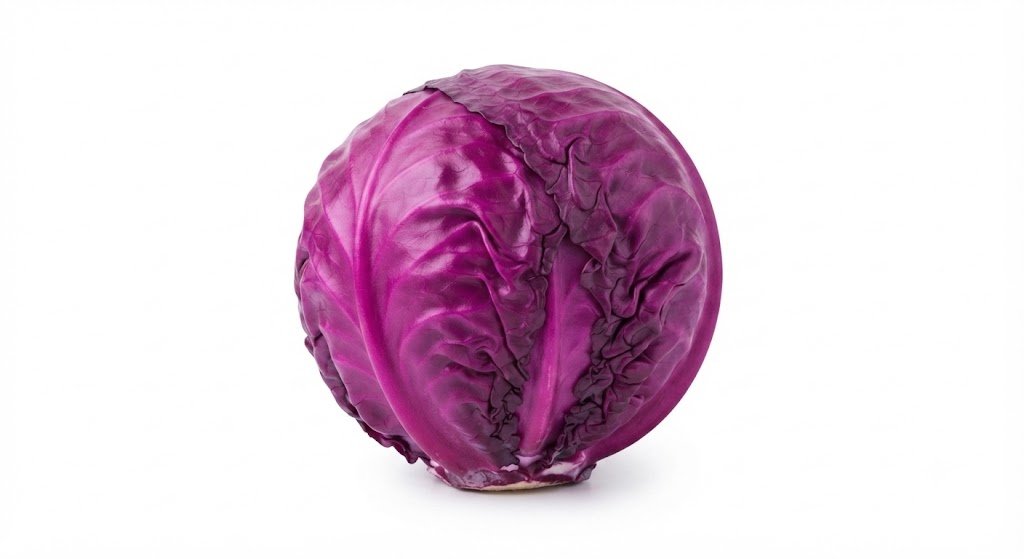

Red cabbage boasts a loyal following among culinary chefs, functional nutritionists, and holistic health seekers alike. This remarkable leafy green packs powerful anthocyanins, glucosinolates, and antioxidant compounds into every serving. Research supports its health benefits far beyond typical salad-vegetable hype.
Let us examine what this plant genuinely achieves for systemic antioxidant defense, cardiovascular health, and gut wellness. Furthermore, we will cover areas where science needs more human trials and how to consume it safely.
What Is Red Cabbage?
Red cabbage (Brassica oleracea var. capitata f. rubra), also known as purple cabbage, is a dense biennial vegetable belonging to the mustard family (Brassicaceae). It is native to the Mediterranean and western European regions, where it has served traditional European cuisines and herbalism for centuries. Its tightly packed, deep purple-red leaves and firm white-veined ribs house the active phytochemicals.
A single serving of the fresh or fermented leaves delivers concentrated micronutrients, polyphenols, and sulfur compounds rather than heavy macronutrients. Active plant compounds like anthocyanins, glucosinolates, and diverse vitamins drive its distinct therapeutic activity and antioxidant properties.
How Red Cabbage Supports Health and Disease Prevention
Powerful Antioxidant Defense and Anthocyanins
This stands as one of the plant’s most famous benefits, particularly regarding cellular protection and free-radical neutralization.
-
The Mechanism: Exceptional concentrations of water-soluble anthocyanin pigments give the leaves their deep color while aggressively scavenging harmful reactive oxygen species across tissues.
-
The Research: Nutritional evaluations demonstrate that regular consumption of anthocyanin-rich red vegetables significantly reduces systemic oxidative stress markers and protects cellular structures from damage.
Cardiovascular Health and Blood Vessel Function
Heart wellness and circulatory efficiency rely heavily on maintaining arterial elasticity and mitigating systemic inflammation.
-
The Mechanism: Bioactive anthocyanins, potassium, and antioxidant polyphenols work synergistically. Specifically, they help regulate blood pressure, support healthy endothelial function, and protect vascular walls from plaque oxidation.
-
The Research: Nutritional science shows that regular intake of polyphenol-dense cruciferous vegetables supports long-term cardiovascular health and helps maintain optimal systemic circulation.
Gut Microbiome Support and Digestive Wellness
Gastrointestinal health and regularity rely heavily on dietary fiber and probiotic fermentation potential.
-
The Mechanism: Abundant insoluble and soluble fibers promote smooth intestinal transit while serving as prebiotic nourishment for beneficial gut bacteria.
-
The Research: Gastrointestinal studies show that consuming fiber-dense vegetables—especially when traditionally fermented into sauerkraut—supports a balanced microbiome and promotes optimal digestive function.
Cellular Defense and Detoxification Support
Cellular longevity and internal defense depend heavily on phase II liver detoxification and protection against oxidative DNA damage.
-
The Mechanism: Glucosinolates break down into active isothiocyanates upon chewing and digestion. As a result, they help upregulate cellular detoxification enzymes and neutralize potential carcinogens.
-
The Research: Biochemical assessments confirm that regular dietary intake of sulfur-rich cruciferous vegetables provides robust protection against cellular wear and tear.
How to Add Red Cabbage to Your Diet
The therapeutic green is versatile, functioning as a crisp, colorful culinary addition to diverse home-cooked dishes:
-
Shredded raw in vibrant salads: Slice firm heads thinly to add a striking color, satisfying crunch, and concentrated antioxidants to raw slaws and grain bowls.
-
Fermented into traditional sauerkraut: Salt and ferment the shredded leaves naturally to create a probiotic-rich superfood condiment loaded with live beneficial microbes.
-
Sautéed or roasted warm: Roast wedges with olive oil and balsamic vinegar to caramelize the natural sugars while softening the texture gently.
-
Start moderately: Begin with standard culinary portions to allow your digestive system to adapt comfortably to the rich fiber content.
Safety Considerations for Red Cabbage
The vegetable is remarkably safe for most individuals. However, specific physiological factors require attention:
-
Goitrogenic Compounds: Raw cruciferous vegetables contain trace goitrogens that can theoretically impact iodine uptake in susceptible individuals. Nevertheless, cooking or fermenting largely neutralizes this effect, and normal culinary amounts rarely pose an issue.
-
Vitamin K and Blood Thinner Interactions: Because the moderate vitamin K content can influence blood-clotting medications (such as warfarin), individuals on anticoagulants should maintain a consistent daily intake. Therefore, speak with a physician before changing dietary habits.
-
Gastrointestinal Adjustment: The rich fiber content and sulfur compounds can cause mild digestive warmth or gas in individuals unaccustomed to cruciferous vegetables.
-
Sourcing and Storage: Always wash fresh heads thoroughly and store them in the refrigerator to maintain optimal crispness and prevent microbial contamination.
The Bottom Line
The vibrant purple cabbage backs up its culinary reputation with a solid research base. Specifically, it shines regarding systemic antioxidant defense, cardiovascular health, and gut microbiome support. Distinguishing between proper preparation methods and understanding personal nutritional needs remains the biggest variable in enjoying it safely.
Done right, it makes a protective, therapeutic, and colorful addition to a broader wellness lifestyle. It offers no standalone miracle cure. Yet, it remains one of the most polyphenol-dense and antioxidant-rich vegetables in the natural world.