
Milk thistle boasts a loyal following among herbalists, integrative medicine practitioners, and detox enthusiasts alike. This remarkable prickly plant packs powerful silymarin flavonoid complexes, antioxidants, and anti-inflammatory compounds into every serving. Research supports its health benefits far beyond typical folk-medicine hype.
Let us examine what this plant genuinely achieves for liver protection, metabolic support, and cellular defense. Furthermore, we will cover areas where science needs more human trials and how to consume it safely.
What Is Milk Thistle?
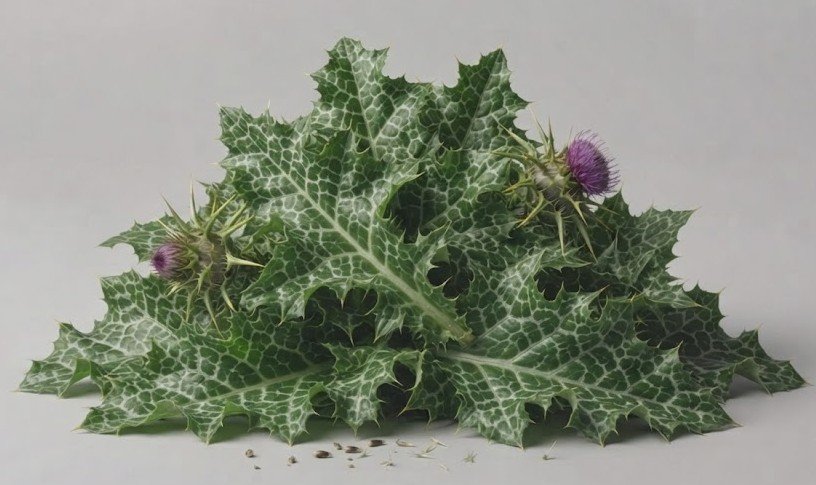
Milk thistle (Silybum marianum), also known as Mary thistle or holy thistle, is a robust annual or biennial plant belonging to the daisy family (Asteraceae). It is native to the Mediterranean region and has served traditional European herbalism for over two millennia. Its distinctive spiny green leaves with white milky veins and purple flower heads house the active phytochemicals.
A single serving of the crushed seeds or standardized extracts delivers concentrated bioactives rather than heavy macronutrients. Active plant compounds like silymarin (comprising silybin, silydianin, and silychristin) drive its distinct hepatoprotective activity and therapeutic properties.
How Milk Thistle Supports Health and Disease Prevention
Liver Protection and Detoxification Support
This stands as the plant’s most famous and well-researched benefit, particularly regarding hepatic function and cellular repair.
-
The Mechanism: Silymarin stabilizes hepatocellular membrane permeability to prevent toxin penetration, stimulates ribosomal RNA synthesis to accelerate protein repair, and replenishes depleted glutathione stores.
-
The Research: Extensive clinical trials demonstrate that standardized extracts significantly lower elevated liver enzymes, protect against pharmaceutical or environmental toxins, and support recovery from various hepatic conditions.
Metabolic Support and Blood Sugar Regulation
Emerging metabolic research points toward the seed extract as a supportive ally for managing insulin sensitivity and glucose homeostasis.
-
The Mechanism: Active silymarin compounds help improve insulin signaling pathways and reduce oxidative stress within pancreatic beta cells.
-
The Research: Human clinical evaluations involving individuals with metabolic challenges confirm that consistent supplementation helps improve glycemic control and lipid parameters over time.
Powerful Antioxidant and Anti-inflammatory Protection
Systemic inflammation and oxidative stress drive chronic aging processes and tissue degeneration throughout the body.
-
The Mechanism: High concentrations of polyphenolic flavonolignans neutralize harmful free radicals and suppress pro-inflammatory signaling cascades.
-
The Research: Nutritional science indicates that regular intake bolsters internal antioxidant enzyme defenses, protecting systemic cellular structures from long-term oxidative wear.
Skin Health and Dermal Protection
Dermal integrity and cellular defense against environmental stressors depend heavily on systemic antioxidant availability.
-
The Mechanism: Antioxidant compounds reduce systemic oxidative stress and inhibit inflammatory pathways that contribute to skin blemishes and premature aging.
-
The Research: Clinical observations show that supportive herbal extracts can help calm inflammatory skin conditions and protect dermal cells from environmental damage.
How to Add Milk Thistle to Your Diet
The therapeutic plant is typically consumed as a supplement rather than a standard food ingredient due to its fibrous, prickly nature:
-
Standardized extract capsules: Take capsules standardized to contain 70% to 80% silymarin for reliable potency and therapeutic efficacy.
-
Liquid tinctures: Mix liquid seed extract into water or juice according to product labeling for convenient absorption.
-
Ground seed powder: Stir raw, ground seeds into smoothies or yogurt, though extracts offer significantly higher active compound concentrations.
-
Start moderately: Begin with standard doses (such as 140 mg of standardized extract two to three times daily) to allow your digestive system to adapt comfortably.
Safety Considerations for Milk Thistle
The herb is remarkably safe for most individuals, but specific factors require attention:
-
Mild Gastrointestinal Sensitivity: Because the plant can stimulate digestive and biliary secretions, some individuals may experience mild laxative effects, bloating, or nausea when starting supplementation.
-
Allergic Reactions (Asteraceae Family): Individuals with known allergies to plants in the daisy family (such as ragweed, marigolds, or daisies) may experience cross-reactivity and should exercise caution.
-
Medication Interactions: The supplement can interact with liver enzymes that metabolize pharmaceutical drugs, potentially altering their clearance. Consult a healthcare professional before combining them.
-
Pregnancy and Breastfeeding: Because clinical safety data remains limited for pregnant or nursing individuals, consulting a healthcare professional before use is generally advised.
The Bottom Line
The protective thistle backs up its ancient tradition with a robust modern research base, especially regarding liver defense, metabolic health, and antioxidant protection. Distinguishing between unstandardized crude seed powders and precisely standardized silymarin extracts remains the biggest variable in experiencing its benefits safely.
Done right, it makes a protective, therapeutic, and revitalizing addition to a broader wellness lifestyle. It offers no standalone miracle cure, but it remains one of the most scientifically validated liver-supportive herbs in the natural world.