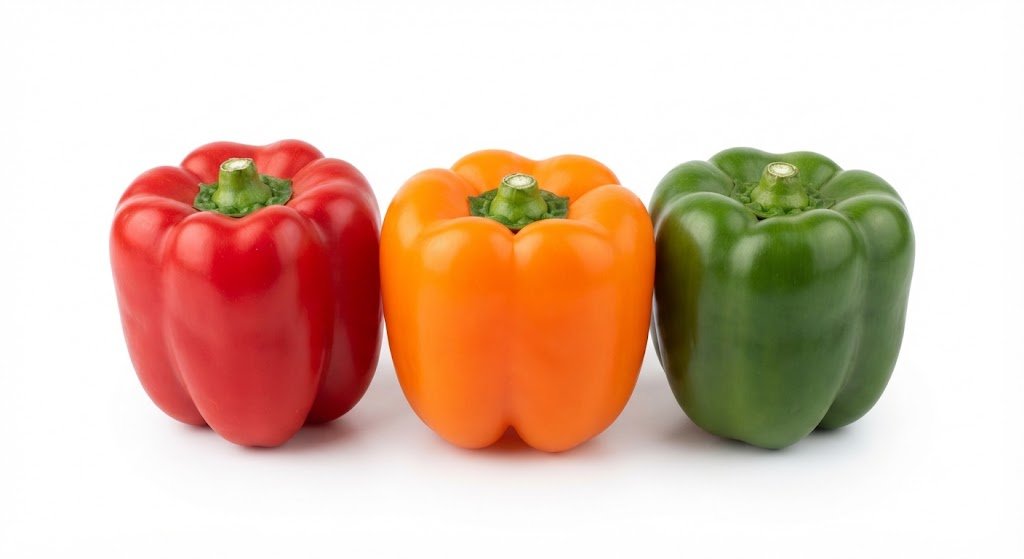

Bell peppers boast a loyal following among culinary chefs, functional nutritionists, and holistic health seekers alike. This remarkable fruiting vegetable packs powerful vitamin C, carotenoids, and antioxidant compounds into every serving. Research supports its health benefits far beyond typical salad-vegetable hype.
Let us examine what this plant genuinely achieves for immune support, eye health, and cellular defense. Furthermore, we will cover areas where science needs more human trials and how to consume it safely.
What Is Bell Pepper?
Bell peppers (Capsicum annuum), also known as sweet peppers or capsicums, are the fruit of a tender perennial plant belonging to the nightshade family (Solanaceae). They are native to Central and South America. Consequently, they have served traditional indigenous cuisines and modern global cooking for centuries. Their hollow, glossy pods and sweet, crunchy flesh house the active phytochemicals.
A single serving of the fresh pods delivers concentrated micronutrients, vitamin C, and carotenoid pigments rather than heavy macronutrients. Active plant compounds like capsanthin, lutein, zeaxanthin, and quercetin drive their distinct therapeutic activity and antioxidant properties.
How Bell Peppers Support Health and Disease Prevention
Immune System Support and Collagen Synthesis
This stands as one of the plant’s most famous benefits, particularly regarding white blood cell function and structural skin integrity.
-
The Mechanism: Exceptional concentrations of ascorbic acid (vitamin C) work synergistically to enhance immune cell activity and promote robust collagen production across tissues.
-
The Research: Nutritional evaluations demonstrate that regular consumption of vitamin-rich peppers significantly boosts immune resilience and accelerates tissue repair.
Eye Health and Ocular Defense
Vision preservation and retinal protection rely heavily on specific carotenoid antioxidants found in colorful produce.
-
The Mechanism: High concentrations of lutein and zeaxanthin accumulate directly in the macular region of the retina. Specifically, they filter harmful high-energy blue light and neutralize oxidative stress.
-
The Research: Ocular studies show that maintaining adequate dietary intake of these specific carotenoids helps protect against age-related macular degeneration and cataracts.
Cellular Defense and Antioxidant Protection
Cellular longevity and internal defense depend heavily on protection against oxidative stress and free-radical damage.
-
The Mechanism: Vibrant carotenoids—such as capsanthin in red varieties—and diverse flavonoids neutralize harmful reactive oxygen species across delicate tissues.
-
The Research: Biochemical assessments confirm that regular dietary intake of antioxidant-rich peppers provides robust protection against cellular wear and tear and systemic inflammation.
Metabolic Health and Nutrient Density
Cellular metabolism and general vitality depend on getting maximum nutrition with minimal glycemic impact.
-
The Mechanism: Low caloric density paired with high water content and bioavailable vitamins helps support healthy metabolic function without spiking blood sugar.
-
The Research: Nutritional science shows that incorporating colorful, low-calorie vegetables supports long-term weight management and metabolic health.
How to Add Bell Peppers to Your Diet
The therapeutic vegetable is versatile, functioning as a crisp, sweet culinary addition to diverse home-cooked dishes:
-
Sliced raw in salads and crudité platters: Crunch into fresh strips to enjoy maximum vitamin C content without heat degradation.
-
Roasted or charred for sweetness: Roast whole pods in the oven until charred, then peel away the skin to reveal a deeply sweet, tender flesh.
-
Stuffed with grains and proteins: Fill halved pods with quinoa, beans, and herbs, then bake until tender for a complete, nourishing meal.
-
Start moderately: Begin with standard culinary portions to allow your digestive system to adapt comfortably, especially if you have sensitivities to nightshades.
Safety Considerations for Bell Peppers
The colorful vegetable is remarkably safe for most individuals. However, specific physiological factors require attention:
-
Nightshade Sensitivities: Because they belong to the Solanaceae family, individuals with specific autoimmune conditions or nightshade sensitivities may experience mild joint or digestive irritation and should monitor personal responses.
-
Gastrointestinal Adjustment: The fibrous outer skins can occasionally cause mild digestive warmth or gas in individuals with sensitive stomachs, though peeling or cooking easily resolves this.
-
Allergic Cross-Reactivity: Individuals with latex allergies may occasionally experience cross-reactivity with certain nightshade fruits.
-
Sourcing and Storage: Always wash fresh pods thoroughly and store them unwashed in the refrigerator crisper drawer to maintain optimal crispness.
The Bottom Line
The sweet garden pepper backs up its culinary reputation with a solid research base. Specifically, it shines regarding immune support, ocular defense, and antioxidant delivery. Distinguishing between proper daily portioning and understanding personal nightshade tolerance remains the biggest variable in enjoying it safely.
Done right, it makes a protective, therapeutic, and colorful addition to a broader wellness lifestyle. It offers no standalone miracle cure. Yet, it remains one of the most vitamin-dense and antioxidant-rich fruiting vegetables in the natural world.