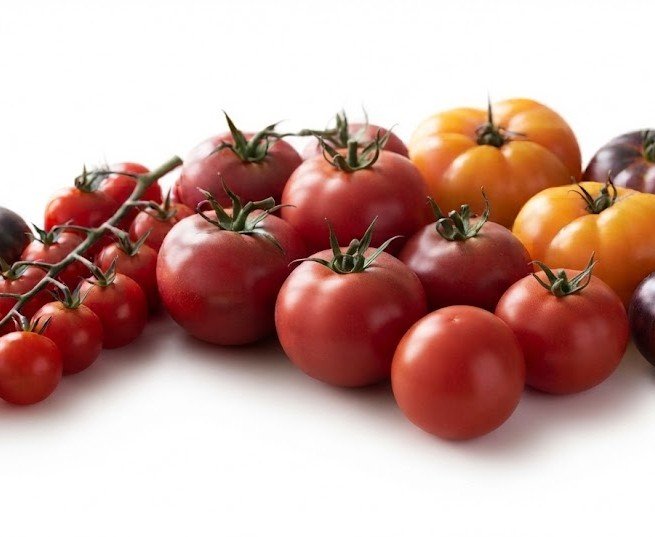

Tomatoes boast a loyal following among culinary chefs, functional nutritionists, and longevity researchers alike. This remarkable fruiting vegetable packs powerful lycopene, vitamin C, and antioxidant compounds into every serving. Research supports its health benefits far beyond typical salad-vegetable hype.
Let us examine what this plant genuinely achieves for cardiovascular health, skin protection, and cellular defense. Furthermore, we will cover areas where science needs more human trials and how to consume it safely.
What Is Tomato?
Tomatoes (Solanum lycopersicum), historically known as love apples, are the juicy fruit of a tender perennial plant belonging to the nightshade family (Solanaceae). They are native to western South America. Consequently, they have served traditional indigenous cuisines and global culinary arts for centuries. Their smooth red skins, pulpy flesh, and edible seeds house the active phytochemicals.
A single serving of the fresh or cooked fruit delivers concentrated micronutrients, potassium, and carotenoid pigments rather than heavy macronutrients. Active plant compounds like lycopene, beta-carotene, naringenin, and chlorogenic acid drive their distinct therapeutic activity and antioxidant properties.
How Tomatoes Support Health and Disease Prevention
Cardiovascular Health and Lycopene Defense
This stands as one of the plant’s most famous benefits, particularly regarding heart wellness and arterial elasticity.
-
The Mechanism: High concentrations of the carotenoid lycopene act as a potent antioxidant, helping prevent the oxidation of LDL cholesterol and supporting healthy endothelial function.
-
The Research: Extensive clinical evaluations demonstrate that consistent consumption of lycopene-rich tomatoes significantly reduces cardiovascular disease risks and helps maintain healthy blood pressure levels.
Skin Protection and UV Defense
Dermatological health and cellular defense rely heavily on dietary compounds that protect tissues from solar radiation and oxidative stress.
-
The Mechanism: Bioactive carotenoids accumulate in skin tissues over time, providing internal photoprotection against ultraviolet-induced erythema and premature aging.
-
The Research: Nutritional science shows that regular dietary intake of tomato paste or cooked tomato products improves the skin’s natural defense against sun-induced oxidative damage.
Cellular Defense and Prostate Support
Cellular longevity and internal defense depend heavily on protection against oxidative DNA damage and systemic inflammation.
-
The Mechanism: Lycopene and diverse phenolic compounds neutralize harmful reactive oxygen species across delicate tissues, particularly within the prostate gland.
-
The Research: Biochemical assessments confirm that regular dietary intake of cooked tomatoes correlates strongly with enhanced cellular protection and long-term prostate health.
Metabolic Health and Blood Pressure Regulation
Systemic wellness and circulatory efficiency rely heavily on maintaining fluid balance and mineral homeostasis.
-
The Mechanism: Abundant potassium and bioactive flavonoids work synergistically. Specifically, they help regulate vascular tone and support optimal electrolyte balance.
-
The Research: Clinical studies indicate that incorporating fresh and cooked tomatoes into daily diets supports overall metabolic health and cardiovascular resilience.
How to Add Tomatoes to Your Diet
The therapeutic fruit is versatile, functioning as a juicy, savory culinary addition to diverse home-cooked dishes:
-
Cooked down into rich sauces: Simmer ripe tomatoes with a touch of olive oil to break down cell walls, which significantly increases the bioavailability of lycopene.
-
Sliced fresh in Mediterranean salads: Combine raw fruit with fresh basil, extra virgin olive oil, and mozzarella for a classic, nutrient-dense summer dish.
-
Roasted whole until caramelized: Roast ripe plum varieties at moderate temperatures to concentrate their natural sugars and rich umami flavor profile.
-
Start moderately: Begin with standard culinary portions to allow your digestive system to adapt comfortably, especially if you have sensitivities to nightshades or acid reflux.
Safety Considerations for Tomatoes
The juicy fruit is remarkably safe for most individuals. However, specific physiological factors require attention:
-
Nightshade Sensitivities: Because they belong to the Solanaceae family, individuals with specific autoimmune conditions or nightshade sensitivities may experience mild joint or digestive irritation and should monitor personal responses.
-
Acid Reflux and Heartburn: Because the natural organic acids can trigger gastric irritation, individuals with severe acid reflux or gastroesophageal reflux disease should consume them in moderation.
-
Allergic Cross-Reactivity: Individuals with latex allergies or grass pollen sensitivities may occasionally experience mild oral allergy syndrome when consuming raw fruit.
-
Sourcing and Storage: Always store fresh fruit at room temperature out of direct sunlight to preserve optimal flavor and texture, avoiding refrigeration until fully ripe.
The Bottom Line
The savory red fruit backs up its culinary reputation with a solid research base. Specifically, it shines regarding cardiovascular support, skin photoprotection, and lycopene delivery. Distinguishing between proper cooking methods and understanding personal digestive needs remains the biggest variable in enjoying it safely.
Done right, it makes a protective, therapeutic, and flavorful addition to a broader wellness lifestyle. It offers no standalone miracle cure. Yet, it remains one of the most lycopene-dense and antioxidant-rich fruits in the natural world.