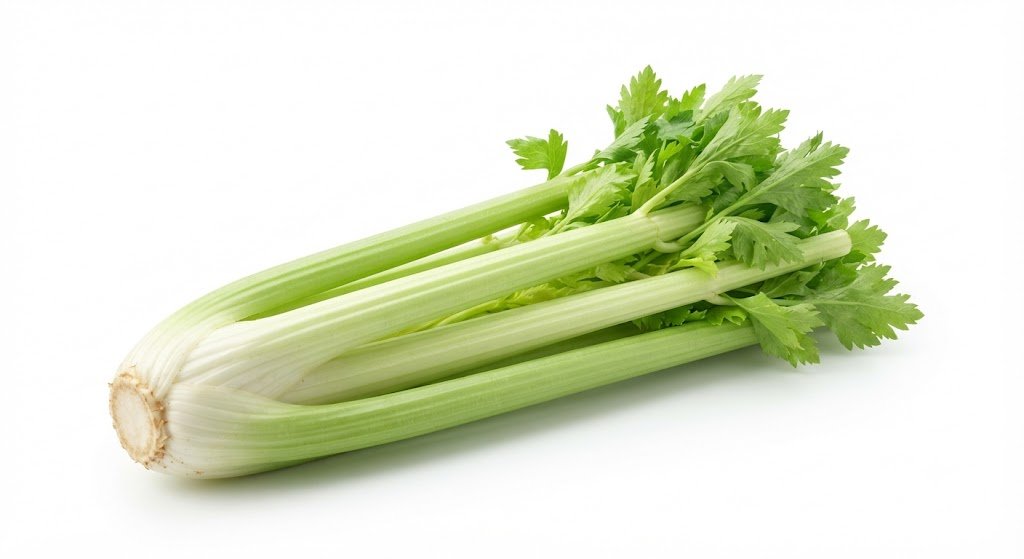

Celery boasts a loyal following among culinary chefs, functional nutritionists, and wellness enthusiasts alike. This remarkable marshland vegetable packs powerful apigenin, luteolin, and antioxidant compounds into every serving. Research supports its health benefits far beyond typical diet-food hype.
Let us examine what this plant genuinely achieves for blood pressure regulation, anti-inflammatory support, and digestive wellness. Furthermore, we will cover areas where science needs more human trials and how to consume it safely.
What Is Celery?
Celery (Apium graveolens), also known as common celery, is a marshland biennial plant belonging to the carrot family (Apiaceae). It is native to the Mediterranean region and North Africa. Consequently, it has served traditional Mediterranean diets and ancient herbalism for millennia. Its crisp, fibrous leaf petioles and aromatic green leaves house the active phytochemicals.
A single serving of the fresh stalks delivers concentrated micronutrients, hydration, and specialized plant compounds rather than heavy macronutrients. Active plant compounds like apigenin, luteolin, 3-n-butylphthalide, and various phenolic acids drive its distinct therapeutic activity and antioxidant properties.
How Celery Supports Health and Disease Prevention
Blood Pressure Regulation and Vascular Health
This stands as one of the plant’s most famous benefits, particularly regarding arterial relaxation and circulatory wellness.
-
The Mechanism: Specialized phytochemicals called 3-n-butylphthalide help relax smooth muscle tissues in blood vessel walls. Additionally, natural potassium works synergistically to balance sodium levels.
-
The Research: Nutritional evaluations demonstrate that regular consumption of celery seed extracts and fresh juice supports healthy blood pressure ranges and improves overall vascular function.
Anti-Inflammatory Support and Cellular Protection
Systemic wellness and tissue longevity depend heavily on mitigating chronic inflammation and oxidative stress.
-
The Mechanism: Potent flavonoids like apigenin and luteolin neutralize harmful free radicals while inhibiting pro-inflammatory signaling pathways across tissues.
-
The Research: Biochemical assessments confirm that regular dietary intake of antioxidant-rich celery provides robust protection against cellular wear and tear.
Digestive Wellness and Hydration Support
Gastrointestinal health and regularity rely heavily on dietary fiber, water content, and soothing mucosal compounds.
-
The Mechanism: Abundant soluble fiber and high natural water content promote smooth intestinal transit while supporting healthy hydration balance.
-
The Research: Gastrointestinal studies show that incorporating hydrating, fiber-dense stalks into daily routines supports optimal digestive function and regularity.
Metabolic Health and Lipid Balance
Systemic metabolic efficiency relies heavily on compounds that support healthy liver function and lipid metabolism.
-
The Mechanism: Active antioxidants and specialized plant sterols help modulate lipid profiles and protect hepatic tissues from oxidative stress.
-
The Research: Nutritional science indicates that regular inclusion of celery supports metabolic health and helps maintain balanced cholesterol levels.
How to Add Celery to Your Diet
The therapeutic stalk is versatile, functioning as a crisp, refreshing culinary addition to diverse home-cooked dishes:
-
Juiced fresh for concentrated benefits: Blend fresh stalks into a clean green juice to maximize the intake of bioavailable phytochemicals and hydration.
-
Sliced raw in salads and slaws: Chop crisp stalks finely to add a refreshing, hydrating crunch to raw grain bowls and salads.
-
Sautéed as a traditional aromatic base: Dice stalks alongside onions and carrots to create the classic culinary foundation for soups, stews, and sauces.
-
Start moderately: Begin with standard culinary portions to allow your digestive system to adapt comfortably to the fibrous plant material.
Safety Considerations for Celery
The crisp vegetable is remarkably safe for most individuals. However, specific physiological factors require attention:
-
Apiaceae Family Allergies: Because celery belongs to the carrot family, individuals with known allergies to celery, carrots, or birch pollen may experience cross-reactivity and should exercise caution.
-
Photosensitization Risks: Concentrated extracts contain furocoumarins, which can theoretically increase skin sensitivity to ultraviolet light in rare cases.
-
Pesticide Residue Awareness: Because celery absorbs environmental compounds easily, purchasing organic varieties or washing stalks thoroughly is strongly recommended.
-
Gastrointestinal Adjustment: The fibrous stalk structure can occasionally cause mild digestive warmth or gas in individuals unaccustomed to fibrous green vegetables.
The Bottom Line
The crisp marshland vegetable backs up its culinary reputation with a solid research base. Specifically, it shines regarding blood pressure support, anti-inflammatory defense, and hydration delivery. Distinguishing between proper daily portioning and understanding personal allergy needs remains the biggest variable in enjoying it safely.
Done right, it makes a protective, therapeutic, and refreshing addition to a broader wellness lifestyle. It offers no standalone miracle cure. Yet, it remains one of the most versatile and hydrating crisp vegetables in the natural world.