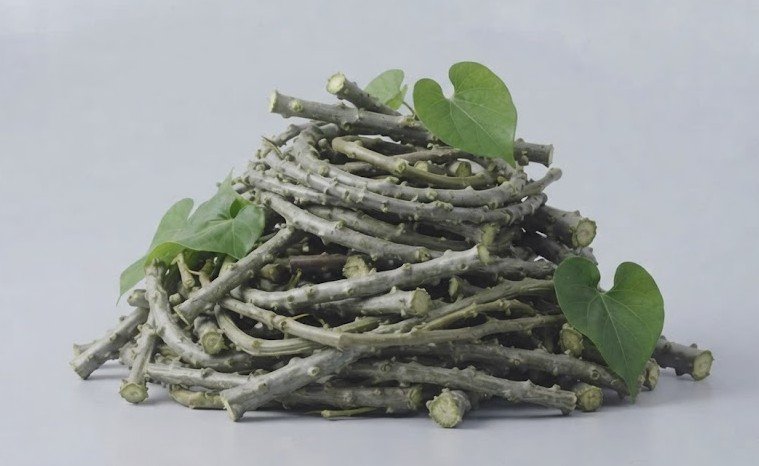

If you’ve spent any time around Ayurvedic medicine, you’ve probably heard Giloy called Amrita, meaning “the root of immortality.” That’s a big name to live up to. This humble climbing vine, known scientifically as Tinospora cordifolia, has earned its reputation over thousands of years of traditional use in India. Modern science is starting to catch up too. Researchers are confirming what Ayurvedic practitioners have known for centuries: Giloy is a genuinely powerful ally for disease prevention.
Let’s look at what makes this herb special, what it can do for your health, and how to use it safely.
What Is Giloy?
Giloy is a heart-leaved, deciduous climbing shrub. It grows natively across the tropical regions of India and South Asia, thriving especially in the dense forests of Chhattisgarh and the Himalayan foothills. Ayurveda uses nearly every part of the plant, including the stem, leaves, and roots, though practitioners consider the stem the most potent.
The plant carries a remarkable pharmacy of its own. Researchers have identified over 200 distinct phytochemicals within it, including alkaloids, glycosides, steroids, and phenolic compounds. These compounds explain why Giloy shows up in so many traditional remedies, from fevers to skin conditions to digestive troubles.
How Giloy Helps Prevent Disease
1. Giloy Boosts the Immune System
This is Giloy’s headline benefit. Research shows that Giloy stimulates macrophage activity. These immune cells identify and destroy pathogens, and their added activity helps the body recover more quickly from infections. It also works through pathways like NF-κB signaling and interleukin modulation. These pathways help regulate how your immune system responds to threats, rather than simply switching it “on.”
This immune-modulating action matters more than a purely immune-stimulating one. It means the herb helps balance the immune response instead of overloading it. That balance is part of why practitioners traditionally use it for both infections and inflammatory conditions.
2. Giloy Is a Powerful Source of Antioxidants
Its leaves and stems are rich in antioxidant compounds that help neutralize free radicals in the body. Chronic oxidative stress links to a long list of diseases, including heart disease, diabetes, neurodegenerative conditions, and premature aging. This protects cells and membranes from radical-induced damage. That protection gives it a preventive role that goes well beyond just fighting off colds.
3. Fever and Viral Infection Recovery
Tinospora cordifolia has a long history of use for chronic and recurrent fevers. People across India also use it widely during outbreaks of dengue and chikungunya. Some research indicates it may help support platelet counts during dengue, which is one reason it became a household name during dengue season in many Indian states. Scientists have also studied its role in managing viral infections more broadly, including interest in its use during the COVID-19 pandemic.
It’s worth being clear here. While early research shows promise, robust large-scale human clinical trials confirming these antiviral effects are still limited. Think of it as a supportive measure, not a replacement for medical treatment of serious infections like dengue.
4. Giloy’s Anti-inflammatory and Anti-arthritic Effects
People dealing with joint pain, arthritis, or general inflammation have traditionally used Giloy to ease their symptoms. Its anti-inflammatory compounds may help reduce the aches and swelling that come with inflammatory conditions over time.
5. Blood Sugar Regulation
Giloy’s anti-diabetic properties have made it a staple in Ayurvedic approaches to managing blood sugar. Many believe it supports healthier glucose metabolism, which makes it a herb of interest for anyone looking to manage diabetes risk alongside conventional care.
6. Antimicrobial Protection
Studies have found that Giloy extract can inhibit the growth of certain bacteria, including E. coli, Klebsiella pneumoniae, and Pseudomonas species. This antibacterial activity, combined with its antifungal properties, adds another layer to its role as a general wellness and prevention herb.
7. Giloy for Skin, Liver, and Digestive Health
Practitioners have traditionally used Giloy to manage digestive issues like acidity, gastroenteritis, and poor appetite, as well as skin conditions and jaundice. Some traditional use points to liver support too, though you should weigh that claim carefully against newer safety findings (more on that below).
How to Use Giloy
Giloy comes in several forms, and the right one often depends on convenience and personal preference:
- Giloy juice (kadha): Made by boiling fresh stems, often combined with tulsi or ginger for added benefit.
- Giloy powder (churna): Mixed with warm water or honey.
- Giloy tablets or capsules: A convenient standardized option.
- Giloy ghanvati: A concentrated tablet form used in many Ayurvedic formulations.
Most Ayurvedic practitioners recommend taking Giloy on an empty stomach in the morning for best absorption, though this can vary based on the specific formulation and your constitution (prakriti).
Giloy Safety Considerations
Enthusiastic wellness blogs often leave this part out, but it matters. In recent years, medical literature has documented cases of clinically significant liver injury linked to long-term or high-dose use of Tinospora cordifolia, particularly with unregulated or self-prescribed supplements. The U.S. National Institutes of Health’s LiverTox database specifically flags this concern. It notes that many of the herb’s popularly claimed benefits, especially around COVID-19 prevention, have solid backing in animal studies but haven’t yet been confirmed in human clinical trials.
This doesn’t mean the herb is dangerous when you use it sensibly, but keep these points in mind:
- Don’t self-medicate with high doses for extended periods. Use it as a short-term or moderate, cyclical supplement rather than an everyday habit taken indefinitely.
- Talk to a doctor or qualified Ayurvedic practitioner first, especially if you have existing liver conditions, are pregnant or breastfeeding, take immunosuppressant medication, or have an autoimmune condition (immune-stimulating herbs can sometimes complicate these).
- Watch for symptoms like unusual fatigue, yellowing of the skin or eyes, dark urine, or abdominal pain. Stop use and seek medical attention if they appear.
- Source matters. Buy from reputable brands that test for purity. Misidentified or contaminated plant material has been a documented issue with Tinospora products.
The Bottom Line
Giloy has earned its place as one of Ayurveda’s most respected herbs. Modern research increasingly validates its role in supporting immunity, fighting inflammation, and protecting cells from oxidative damage. Use it thoughtfully: moderate doses, a trusted source, and ideally guidance from a healthcare provider. Done right, it can be a valuable addition to a broader disease-prevention lifestyle that includes good nutrition, sleep, and exercise.
Like most powerful natural remedies, the key with Giloy isn’t just “more is better.” Use it wisely, respect what we still don’t fully know, and treat it as one part of a bigger picture of health, not a cure-all.