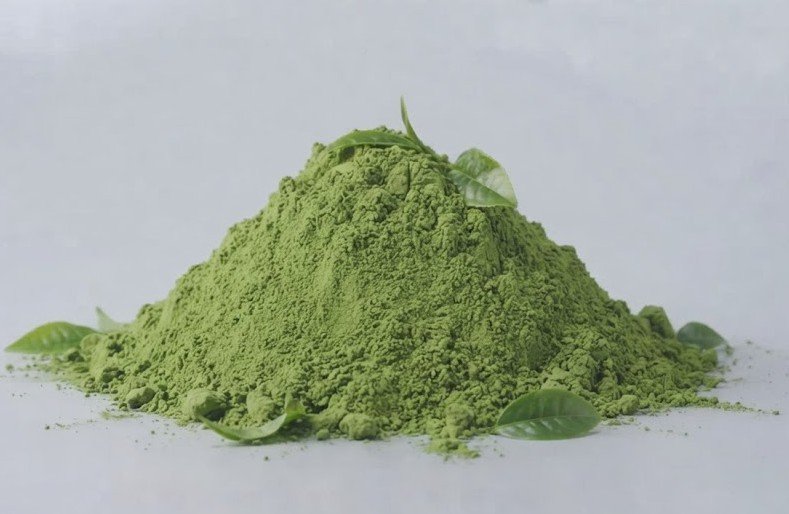

Matcha has moved far beyond specialty cafes. You’ll find it in lattes, smoothies, baked goods, and skincare products, and for good reason. This finely milled, shade grown green tea powder from Japan packs a concentration of antioxidants and bioactive compounds that regular steeped tea simply can’t match. Since you drink the whole leaf rather than steep and discard it, you get a much higher dose of its beneficial plant compounds in every cup.
Let’s look at what makes this bright green powder so popular, what science says about its role in disease prevention, and how to enjoy it safely.
What Is Matcha?
Matcha comes from the same plant as regular green tea, Camellia sinensis, but the growing and processing methods set it apart. Farmers shade the tea plants for several weeks before harvest. That shading boosts chlorophyll, caffeine, and amino acid content in the leaves. Workers then hand pick, steam, dry, and stone grind the leaves into the fine powder you whisk into water or milk.
Because you consume the ground leaf itself, this powder delivers far more catechins, the antioxidant compounds tea is known for, than a typical cup of brewed green tea. Researchers have found that it can contain two to seven times more of the powerful antioxidant EGCG (epigallocatechin gallate) than standard green tea.
How Matcha Supports Disease Prevention
1. Heart Health Support
Regular tea drinkers tend to show a lower risk of cardiovascular disease. Research links green tea and matcha consumption to reduced risk factors for heart disease, including healthier cholesterol levels and better blood vessel function. A 2023 meta-analysis found that regular green tea consumption was associated with a lower risk of stroke and heart disease. The polyphenols in this tea appear to support these benefits by reducing oxidative stress and inflammation in blood vessels.
2. A Concentrated Source of Antioxidants
Antioxidants help stabilize free radicals, the unstable molecules that damage cells and contribute to chronic disease over time. Because it uses the whole leaf, this tea delivers a notably higher antioxidant load than steeped green tea. Animal studies have shown that this supplementation can reduce oxidative damage and boost the body’s own antioxidant activity. Including it in your diet may help protect cells and lower long term disease risk.
3. Liver Health, With Some Nuance
Some studies suggest matcha can benefit liver health, particularly in people with nonalcoholic fatty liver disease. Research in mice found that the supplementation reduced fat accumulation in the liver, improved blood sugar markers, and eased inflammation linked to a high fat diet. That said, the picture isn’t entirely one sided. A few researchers have noted that it may raise liver enzymes in people who don’t have existing liver disease, and very high doses of concentrated green tea catechins have been associated with liver stress in rare cases. Moderate intake appears to be the safest path.
4. Brain and Cognitive Support
Matcha pairs caffeine with L-theanine, an amino acid known for promoting calm, focused alertness rather than the jittery spike you might get from coffee. Some research has linked regular consumption to improved cognitive performance and memory in older adults. Scientists believe the combination of caffeine, L-theanine, and antioxidant polyphenols works together to support brain health over time.
5. Gut Microbiome Balance
Emerging research points to its role in supporting a healthier gut microbiome. A more balanced gut environment is increasingly linked to better immune function, reduced inflammation, and even improved mood regulation. While this research area is still developing, early findings suggest its polyphenols may feed beneficial gut bacteria.
6. Cancer Prevention Research
EGCG, this tea’s signature antioxidant, has drawn significant scientific interest for its potential cancer fighting properties. Laboratory studies suggest EGCG may inhibit the growth and spread of certain cancer cells. Human trials are still limited, and it should never be viewed as a treatment or cure. Even so, many nutrition experts see its antioxidant profile as a reasonable piece of a broader cancer prevention strategy that includes diet, exercise, and regular screening.
7. Blood Sugar and Weight Management
Studies in animal models show that matcha supplementation can help prevent excessive weight gain, elevated blood sugar, and metabolic disturbances linked to high fat diets. Some human research also points to modest improvements in metabolic markers among regular green tea drinkers, making it a reasonable addition to a broader plan for managing weight and blood sugar.
How to Use Matcha
Matcha is versatile and easy to work into a daily routine:
- Traditional whisked matcha: Sift a small amount of powder into hot (not boiling) water and whisk briskly until frothy.
- Matcha latte: Whisk matcha with a splash of hot water, then add steamed milk or a plant based alternative.
- Smoothies: Blend a teaspoon into your favorite smoothie for a mild, earthy flavor and an antioxidant boost.
- Baking: Matcha powder works well in cookies, cakes, and energy balls.
Look for ceremonial or premium grade powder for drinking on its own, since it has a smoother, less bitter flavor. Culinary grade matcha works well for baking and cooking, where other ingredients balance out its stronger taste.
Matcha Safety Considerations
Matcha is generally safe for most healthy adults in moderate amounts, but a few precautions are worth knowing:
- Watch your caffeine intake. A cup of matcha typically contains more caffeine than steeped green tea, sometimes as much as a cup of coffee. If you’re sensitive to caffeine, pregnant, or managing a heart condition, keep your intake modest and talk to your doctor.
- Choose a reputable source. Because matcha uses the whole leaf, any contaminants in the soil or environment, including lead and other heavy metals, end up in your cup. Buy from producers who test for heavy metals and pesticides, and favor powder grown in regions with strong agricultural oversight.
- Don’t overdo concentrated supplements. Whole leaf tea in food and drink form is very different from high dose green tea extract capsules. The European Food Safety Authority recommends staying under 800 mg of EGCG per day, a level normal drinking rarely approaches, but concentrated supplements can.
- Mind medication interactions. Matcha contains vitamin K, which can interfere with blood thinning medications, and its polyphenols can affect how the liver metabolizes certain drugs. Check with a healthcare provider if you take prescription medication regularly.
- Time it around meals if you’re managing iron levels. The catechins in matcha can bind to non heme iron and reduce absorption, so those on a plant based diet may want to enjoy matcha an hour or so away from iron rich meals.
The Bottom Line
Matcha earns its reputation as a genuine functional food, not just a trendy drink. Its concentrated antioxidants, heart supportive compounds, and calming combination of caffeine and L-theanine give it real potential as part of a disease prevention lifestyle. As with most things in nutrition, moderation and sourcing matter. A cup or two a day from a trusted, tested producer is a reasonable way to enjoy its benefits while keeping any risks in check.
Pair it with a balanced diet, regular movement, and good sleep, and it becomes one more small habit working in your favor rather than a miracle cure standing on its own.