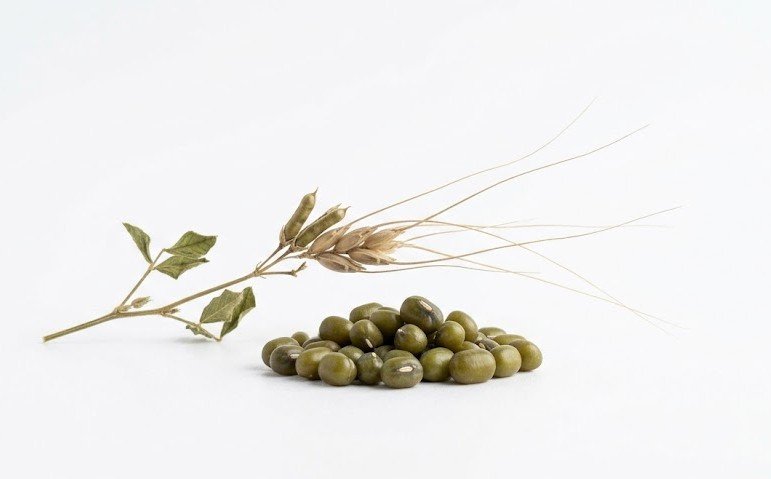

Moong dal, also widely known as green gram or mung bean, is a highly nutrient-dense pulse belonging to the legume family (Fabaceae). Specifically, this plant is grown globally for its small, protein-rich edible seeds. This historic legume is widely celebrated for its exceptional digestibility compared to other pulses. Additionally, it features a beautifully mild, earthy, and highly versatile flavor profile. For this reason, it has become a major dietary staple in many international markets.
Originally, the grain was native to the ancient Indian subcontinent. However, it was domesticated over four thousand years ago during early agricultural periods. Later on, it spread rapidly across East Asia and the Mediterranean through early trade networks. Today, it is grown extensively across South Asia, China, and Southeast Asia. Consequently, it is prized in comforting dals, fresh sprouted salads, traditional savory pancakes, and healthy stews.
Because it is packed with plant-based protein, dietary fiber, essential folate, and active antioxidants, this pulse is highly valued. It offers incredible nutritional density alongside remarkable culinary versatility. Therefore, this comprehensive guide explores its history, nutritional profile, health benefits, traditional uses, cultivation methods, and practical ways to include it in your daily diet.
The History of Moong Dal & Its Cultural Importance
This pulse has a profound agricultural history rooted deeply in ancient tropical climates. Over time, it spread across the globe through continuous migration and trade.
Moong Dal Through the Ages
- Ancient Indian Origins: Early human societies domesticated the wild variants around 1500 BCE. Specifically, this breakthrough provided a vital protein source for vegetarian populations.
- Traditional Ayurvedic Medicine: Ancient medical texts highly praised this pulse early on. Consequently, physicians regularly prescribed it as a cooling food to balance internal bodily energies.
- The Asian Expansion: The crop spread quickly into China and Southeast Asia over centuries. Therefore, it became a foundational ingredient for clear starch noodles and sweet desserts.
- Modern Popularity: The plant evolved into one of the most popular functional legumes globally. As a result, it is heavily celebrated in contemporary plant-based protein industries.
Botanical Description of Moong Dal
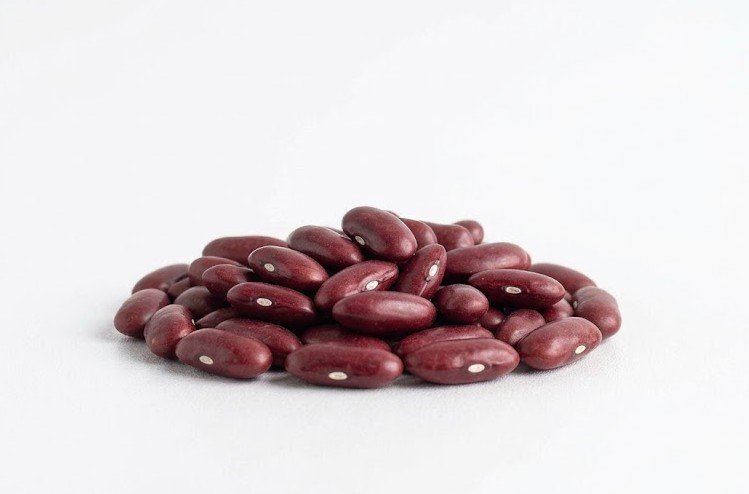
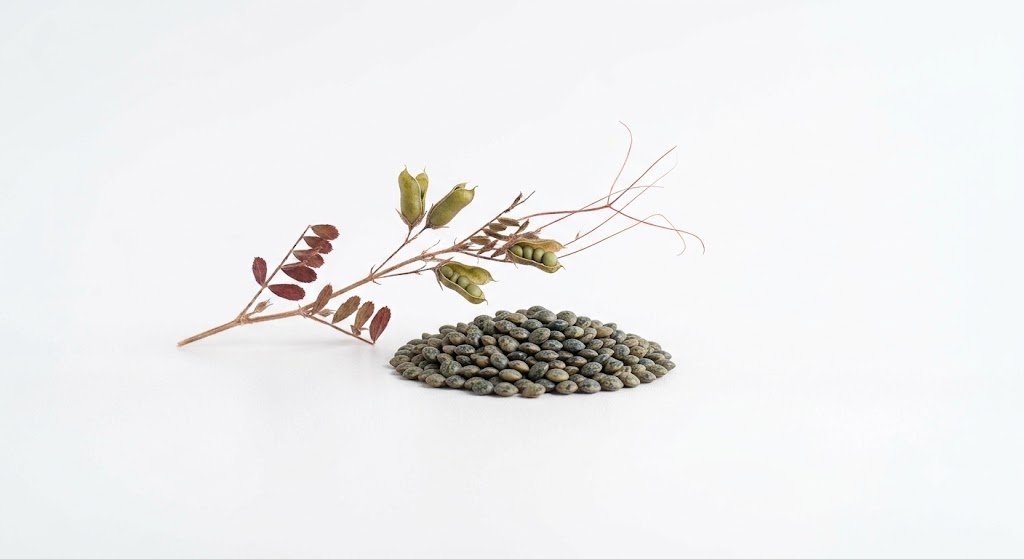
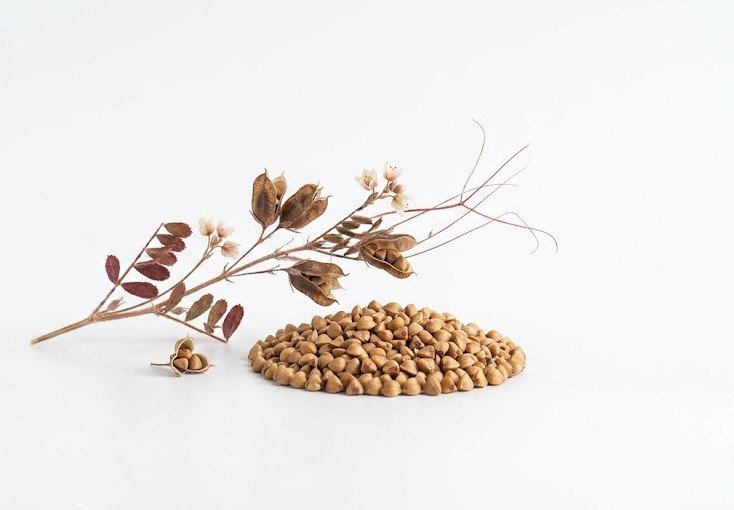
Vigna radiata belongs to the Fabaceae family. For instance, it is closely related to other vital pulse crops like lentils, chickpeas, black gram, and kidney beans.
Plant Characteristics
- Growth: It grows naturally as an upright, highly branching, annual leguminous herb. Usually, it reaches 30 to 120 cm in height and features hairy stems.
- Leaves: The plant produces compound leaves consisting of three distinct leaflets. In addition, these green leaflets are broadly ovate and feature smooth margins.
- Flowers: It bears small, pale yellow or greenish-yellow blossoms arranged in crowded clusters. Typically, these flowers rely on self-pollination to initiate seed pod development.
- The Pod: It forms a slender, cylindrical, dark brown or black pod when fully mature. Furthermore, each pod holds 10 to 15 small, round seeds that can be used whole, split, or de-husked.
Growing Conditions
This legume is a resilient, warm-season crop. Therefore, it requires warm seasonal temperatures and moderate rainfall to set high-quality seeds.
- Ideal Temperature: It prefers warm growing climates between 25–35°C for optimal plant development. However, it is highly sensitive to frost and cold drafts.
- Soil Type: It thrives best in well-drained, fertile loamy or sandy loam soil. On the other hand, it cannot tolerate waterlogged fields or highly alkaline dirt.
- Propagation: It is regularly grown from seeds sown directly into open field beds during early summer or autumn. Specifically, it works beautifully as a short-duration crop between major harvest cycles.
- Harvesting Season: Farmers typically harvest it 60 to 90 days after planting. Specifically, they cut the crop when the pods turn dark and dry on the vine.
Nutritional Profile of Moong Dal
This pulse is naturally dense in lean protein sources. Furthermore, it contains high amounts of dietary fiber, essential folate, and protective antioxidant vitamins. As a result, it is a favorite among active individuals and families seeking clean stamina.
Nutrients (Per 100g Raw Whole Serving)
| Nutrient | Amount | Health Benefits |
| Energy | 347 kcal | Sustainable source of clean, slow-releasing metabolic energy |
| Protein | 23.8g | Rich plant protein density supporting structural cellular repair |
| Dietary Fiber | 16.3g | Massive fiber volume supporting gastrointestinal tracking |
| Folate (B9) | 625µg | Crucial vitamin supporting healthy cellular division and development |
| Magnesium | 189mg | Supports deep muscle relaxation and nervous system health |
| Iron | 6.7mg | Essential mineral supporting healthy hemoglobin production |
| Potassium | 1246mg | Regulates healthy fluid balances and cardiovascular metrics |
Note: Sprouting this pulse concentrates its vitamin content exponentially while significantly reducing its natural phytic acid levels. (Source: USDA FoodData Central)
Moong Dal Benefits for Your Everyday Health
1. Promotes Gentle and Easy Digestion
Unlike many heavy beans, this pulse contains light carbohydrate structures. Consequently, it encourages smooth gastrointestinal tracking without causing uncomfortable gas or bloating.
2. Provides Superior Plant-Based Protein
Packed with massive concentrations of essential amino acids, it acts as a premier protein building block. Therefore, it assists vegetarians in maintaining structural muscle repair naturally.
3. Supports Cardiovascular Wellness
The abundant dietary fiber works in perfect synergy with internal potassium. As a result, it assists the body in maintaining optimal, healthy blood pressure curves.
4. Supports Stable Blood Sugar Management
Features a low glycemic index rating. Because its complex structures break down gradually into the bloodstream, it helps avoid rapid insulin spikes.
5. Delivers High Folate Benefits
Rich in essential Vitamin B9, it works closely with genetic enzymes. Consequently, it promotes healthy cell synthesis, making it highly valuable for maternal nutrition.
6. Provides Deep Antioxidant Defense
Contains notable amounts of vitexin and isovitexin flavonoids. Specifically, these specialized compounds help protect cells from acute oxidative stress.
7. Enhances Meals Naturally
Brings a warm, creamy depth, subtle earthiness, and satisfying texture to daily home cooking without introducing saturated fats.
Traditional & Modern Culinary Uses for Moong Dal
1. Classic Comforting Dal (Khichdi)
First, simmer the split yellow pulse with white rice and mild spices. Then, cook gently until the ingredients form a smooth, easily digestible porridge.
2. Fresh Sprouted Salads
Soaking the whole green seeds in water triggers rapid germination. Consequently, you achieve a crunchy, enzyme-rich base perfect for raw summer salads.
3. Savory Crepes (Pessarattu)
Blending the soaked raw green gram with ginger and green chilies yields a smooth batter. As a result, you can cook thin, crispy flatbreads on a hot griddle.
4. Nutritious Stews and Soups
Dropping the whole pulse into slow-simmered vegetable broths allows the seeds to soften, enriching the base with thick plant proteins.
How to Include Moong Dal in Your Diet
- Daily Soups – Replace heavy evening meals with a warm bowl of split yellow mung bean soup.
- Sprouted Morning Bowls – Mix fresh sprouts with chopped cucumbers, tomatoes, and a splash of lime juice.
- Healthy Breakfast Crepes – Prepare traditional spiced pancakes using ground green gram batter.
- Nutritious Vegetable Mix – Stir cooked dal into sautéed leafy greens like spinach or fenugreek.
- Wholesome Recovery Porridge – Prepare soft khichdi during times of physical fatigue to ease digestive strain.
Side Effects & Precautions
While safe and highly beneficial for the general population, certain precautions apply:
- Raw Sprouting Safety: Individuals must wash fresh sprouts thoroughly to prevent potential bacterial contamination from humid growing environments.
- Mild temporary digestive shifts may manifest if massive quantities are introduced suddenly to a low-fiber diet.
- Excessive intake of heavily fried snack variants (like salted moong dal) should be monitored due to high sodium levels.
Ultimately, individuals seeking to maximize their daily health advantages must prioritize home-cooked or sprouted forms over commercial fried snacks to protect their system. (Source: Wikipedia: Mung Bean)
Conclusion
In summary, Vigna radiata is a nutrient-rich pulse celebrated for its exceptional plant proteins, digestibility, and unparalleled culinary utility. From simple daily comforting dals to fresh morning sprouts and savory griddle crepes, moong dal continues to reign as a vital foundational food across the earth. Whether eaten as a whole green seed or a split yellow dal, it delivers fantastic life-giving value to a balanced lifestyle.
Therefore, start introducing whole or split moong dal into your weekly diet planning. Ultimately, you will enjoy its distinctively mild flavor and protective properties as part of a natural, healthy lifestyle. For more such posts visit thenaturefix.in