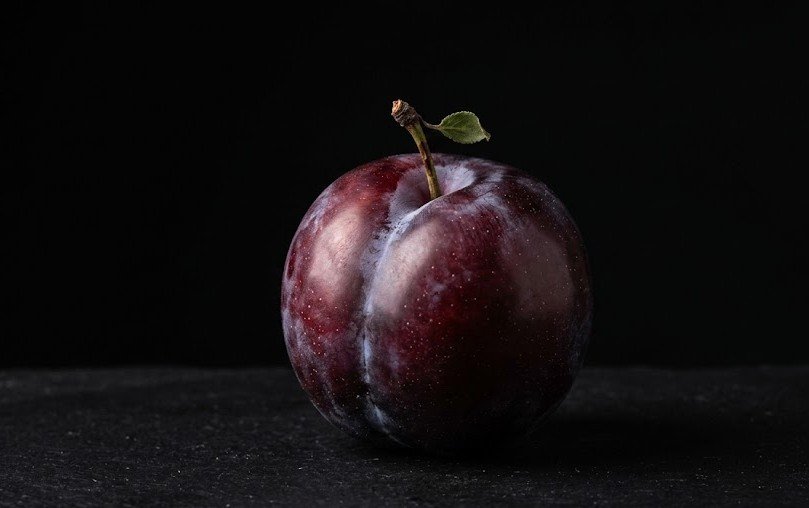

Plum is a highly nutrient-dense fruit belonging to the rose family (Rosaceae). Specifically, it is grown globally for its juicy, stone-centered drupes. This unique fruit is widely celebrated for its vibrant skin tones and refreshing texture. Additionally, it features a beautifully balanced sweet and tart flavor profile. For this reason, it has become a major seasonal favorite in many international markets.
Originally, the fruit was native to Eastern Europe and the mountainous tracts of Western Asia. However, it was domesticated thousands of years ago by early agricultural communities. Later on, it spread across the globe through early migration and historic trade networks. Today, it is grown extensively across Asia, Europe, and the Americas. Consequently, it is prized in fresh salads, baked tarts, traditional jams, and healthy dried snacks.
Because it is packed with vitamins, minerals, dietary fiber, and unique plant compounds, this drupe fruit is highly valued by nutritionists. It offers incredible nutritional density alongside remarkable culinary versatility. Therefore, this comprehensive guide explores its history, nutritional profile, health benefits, traditional uses, cultivation methods, and practical ways to include it in your daily diet.
The History of Plum & Its Cultural Importance
This fruit has a long agricultural history rooted deeply in ancient temperate climates. Over time, it spread across the globe through continuous migration and trade.
Plum Through the Ages
- Ancient Domestication: Early European and Asian communities cultivated wild plum varieties early on. Specifically, they valued its hardiness and juicy, thirst-quenching properties.
- The Silk Road Spread: Traveling merchants distributed the fruit varieties along ancient trade routes. Consequently, distinct European and Japanese cultivars emerged in diverse regions.
- American Introduction: European colonists introduced the stone fruit to North America in the 17th century. Therefore, it became a foundational orchard crop in temperate states.
- Modern Popularity: The plant evolved into one of the most widely cultivated stone fruits globally. As a result, it is highly celebrated in both fresh snacking and the global dried fruit industry.
Botanical Description of Plum
Prunus domestica belongs to the Rosaceae family. For instance, it is closely related to other prized stone fruits like peaches, cherries, almonds, and apricots.
Plant Characteristics
- Growth: It grows naturally as a small to medium-sized deciduous tree. Usually, it reaches 3 to 10 meters in height and features a beautiful white spring blossom canopy.
- Leaves: The tree produces simple, ovate, finely serrated green leaves. In addition, these leaves are arranged alternately along the woody branchlets.
- Flowers: It bears small, white or pale pink, fragrant flowers. Typically, these blossoms appear early in the spring before the leaves unfurl.
- The Fruit: It forms a smooth-skinned, fleshy drupe fruit. Furthermore, the skin varies from crimson, deep purple, to bright yellow. The inner yellow flesh surrounds a single, hard, woody pit that encloses the seed.
Growing Conditions
This fruit is a hardy, temperate crop. Therefore, it requires moderate summer warmth and a distinct winter chilling period to set high-quality fruit.
- Ideal Temperature: It prefers warm summer climates between 20–28°C for ripening. However, it requires hundreds of winter chilling hours below 7°C to break plant dormancy.
- Soil Type: It thrives best in well-drained, deep loamy or sandy loam soil. On the other hand, it cannot tolerate waterlogged roots or heavy clay.
- Propagation: It is regularly propagated through T-budding or grafting named cultivars onto sturdy rootstocks. Nevertheless, it can also grow from seeds with proper stratification.
- Harvesting Season: Farmers typically harvest it during the summer and early autumn months. Specifically, they pick it when the fruit yields slightly to gentle thumb pressure.
Nutritional Profile of Plum
This fruit is naturally exceptionally low in calories. Furthermore, it contains high amounts of Vitamin K and protective antioxidant polyphenols. As a result, it is a favorite among health-conscious snackers and active individuals.
Nutrients (Per 100g Raw Serving)
| Nutrient | Amount | Health Benefits |
| Energy | 46 kcal | Low-calorie source of clean, hydrating cellular energy |
| Protein | 0.7g | Supplies trace structural plant protein building blocks |
| Dietary Fiber | 1.4g | Supports healthy gastrointestinal tracking and motility |
| Vitamin C | 9.5mg | Supports immune cell signaling and skin tissue repair |
| Vitamin K | 6.4µg | Crucial for baseline blood clotting and bone health |
| Vitamin A | 17µg | Essential for vision support and mucous membrane health |
| Potassium | 157mg | Regulates healthy fluid balances and cardiovascular metrics |
Note: Drying this fruit concentrates its nutritional density into prunes, which provides an exceptionally high volume of dietary fiber. (Source: USDA FoodData Central)
Plum Benefits for Your Everyday Health
1. Provides Deep Antioxidant Defense
Packed with immense concentrations of polyphenol antioxidants, it actively shields delicate cellular structures from systemic oxidative stress.
2. Promotes Smooth Digestive Health
Boasting a helpful mixture of dietary fiber and natural sorbitol, it encourages consistent bowel motility and helps alleviate sluggish transit times.
3. Supports Cardiovascular Wellness
Its natural potassium content works efficiently alongside soluble fibers. Consequently, it assists the body in regulating optimal, healthy blood pressure curves.
4. Supports Stable Blood Sugar Curves
Features a low glycemic index rating. Because its natural fruit sugars are absorbed gradually into the bloodstream, it helps avoid rapid insulin spikes.
5. Supports Bone Health
Providing a helpful dietary supply of Vitamin K, it works closely with trace minerals to maintain strong structural bone density over time.
6. Supports Immune Function
The robust combination of Vitamin C and plant flavonoids assists the body’s natural defense barriers against daily environmental stress.
7. Enhances Meals Naturally
Brings a vibrant burst of rich color, refreshing moisture, and a distinct tangy zip to sweet desserts and savory main courses alike.
Traditional & Modern Culinary Uses for Plum
1. Fresh Raw Snacking
First, wash the fresh fruit thoroughly under cold water. Then, bite directly into the sweet flesh while safely discarding the central stone pit.
2. Tangy Jams and Preserves
Simmering chopped plums down with a splash of water and light sweetener creates a beautifully thick, naturally tart fruit spread.
3. Balanced Savory Sauces
Blending the cooked fruit pulp with ginger, garlic, and vinegar yields a classic, sweet-and-sour glaze perfect for roasted dishes.
4. Nutritious Baked Tarts
Arranging fresh fruit slices across a whole-grain pastry crust before baking coaxes out a deeply rich, caramelized sweetness.
How to Include Plum in Your Diet
- Fresh Summer Bites – Keep a bowl of ripe whole fruit in the refrigerator for a quick, cooling afternoon snack.
- Vibrant Fruit Salad – Mix purple slices with fresh berries, sliced peaches, and a squeeze of lime juice.
- Tangy Morning Oats – Chop a fresh fruit and swirl it directly into your warm morning porridge with a dash of cinnamon.
- Savory Roast Glaze – Simmer sliced pieces with rosemary and garlic to pour over baked plant-based proteins.
- Prune Energy Bites – Blend dried prunes with walnuts, chia seeds, and rolled oats, rolling the mixture into convenient snack balls.
Side Effects & Precautions
While generally safe and highly beneficial for most people, certain precautions apply:
- It may cause mild digestive changes or loose stools if consumed in excessive quantities due to the high concentrated sorbitol volume.
- Stone Pit Safety Warning: The hard central pit contains trace amounts of amygdalin; therefore, the pits must always be discarded and should never be cracked or swallowed.
- Mild temporary gas may manifest in individuals whose digestive tracts are highly sensitive to specific short-chain fruit sugars (FODMAPs).
Ultimately, individuals seeking to optimize their daily dietary balance should enjoy fresh plums whole with their skin intact to maximize their dietary fiber intake. (Source: Wikipedia: Plum)
Conclusion
In summary, Prunus domestica is a nutrient-rich fruit celebrated for its refreshing tartness, deep pigment antioxidants, and exceptional culinary utility. From simple raw snack slices to slow-simmered regional preserves and fiber-dense dried prunes, plum provides an outstanding burst of flavor and wellness properties to global food cultures. Whether eaten fresh on a hot day or baked into clean recipes, it delivers fantastic life-giving value to a balanced lifestyle.
Therefore, start introducing fresh plums into your weekly shopping rotations. Ultimately, you will enjoy its distinct sweetness and protective properties as part of a natural, healthy lifestyle.