
Watermelon is a highly nutrient-dense fruit belonging to the gourd family (Cucurbitaceae). Specifically, it is grown globally for its large, intensely hydrating, and sweet pepos. This unique fruit is widely celebrated for its crisp, refreshing interior flesh. Additionally, it features a remarkably highwater volume alongside a clean sweetness. For this reason, it has become the ultimate global staple for warm weather relief.
Originally, the fruit was native to the tropical regions of Southern Africa. However, it was domesticated thousands of years ago by early agricultural civilizations. Later on, it spread across the globe through early Mediterranean trade networks and maritime exploration. Today, it is grown extensively across Asia, Europe, and the Americas. Consequently, it is prized in fresh fruit platters, hydrating juices, savory salads, and frozen summer treats.
Because it is packed with vitamins, essential minerals, dietary fiber, and powerful carotenoid antioxidants, this large vine fruit is highly valued. It offers incredible nutritional density alongside remarkable culinary versatility. Therefore, this comprehensive guide explores its history, nutritional profile, health benefits, traditional uses, cultivation methods, and practical ways to include it in your daily diet.
The History of Watermelon & Its Cultural Importance
This fruit has a long agricultural history rooted deeply in ancient African deserts. Over time, it spread across the globe through continuous migration and trade.
Watermelon Through the Ages
- Ancient Egyptian Heritage: Domestication dates back over 4,000 years along the Nile Valley. Specifically, archaeological findings confirm that watermelons were placed in Pharaohs’ tombs as a crucial water source for the afterlife.
- Mediterranean Expansion: The plant spread rapidly into Greece and Rome during classical antiquity. Consequently, early physicians highly valued its cooling and natural diuretic properties.
- Asian Cultivation: Traders introduced the fruit to China via the Silk Road around the 10th century. As a result, China stands as the world’s absolute largest producer of the crop today.
- Modern Global Staple: The plant evolved into hundreds of unique seeded and seedless variations worldwide. Therefore, it operates as a primary global symbol of summer hydration and family picnics.
Botanical Description of Watermelon
Citrullus lanatus belongs to the Cucurbitaceae family. For instance, it is closely related to other popular gourds like cucumbers, pumpkins, squashes, and muskmelons.
Plant Characteristics
- Growth: It grows naturally as a sprawling, trailing, warm-season annual vine. Usually, it spreads wide across field beds and climbs using specialized branched tendrils.
- Leaves: The vine produces large, deeply lobed, coarse green leaves. In addition, these leaves feature a rough, hairy texture on both sides.
- Flowers: It bears solitary, pale yellow blossoms that open for a single day. Typically, these flowers rely heavily on honeybees for successful cross-pollination.
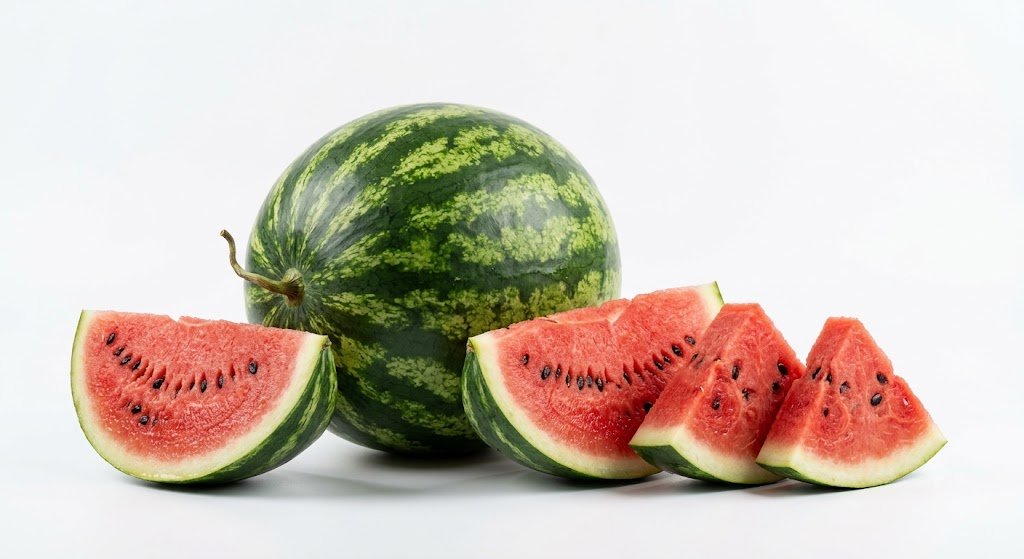
- The Fruit: It forms a large, specialized berry characterized by a thick, smooth, hard green rind. Furthermore, this rind encloses a deeply sweet, porous red or pink flesh containing flat, black edible seeds.
Growing Conditions
This fruit is a warm-season crop. Therefore, it requires intense summer heat and a long, sunny growing period to develop maximum sweetness.
- Ideal Temperature: It prefers warm climates between 25–35°C for optimal vine extension. However, it is highly sensitive to cool drafts and frost.
- Soil Type: It thrives best in well-drained, loose sandy loam soil rich in organic matter. On the other hand, it cannot tolerate waterlogged roots or heavy clay.
- Propagation: It is regularly grown from seeds sown straight into field mounds. Nevertheless, modern growers also utilize biodegradable plugs to minimize root disruption during transplanting.
- Harvesting Season: Farmers typically harvest it during the peak summer months. Specifically, they pick it when the hollow thumping sound deepens and the ground spot transitions to a creamy yellow color.
Nutritional Profile of Watermelon
This fruit is naturally exceptionally low in calories. Furthermore, it represents one of the single highest dietary sources of pure hydrating fluids and lycopene. As a result, it is a favorite among active athletes and wellness seekers.
Nutrients (Per 100g Raw Serving)
| Nutrient | Amount | Health Benefits |
| Energy | 30 kcal | Low-calorie source of quick, easily digestible cellular energy |
| Water Content | 91.4g | Provides pure, naturally structured cellular hydration |
| Dietary Fiber | 0.4g | Supplies modest support for steady digestive tracking |
| Vitamin C | 8.1mg | Promotes immune cellular defenses and collagen repair systems |
| Vitamin A | 28µg | Essential for clear vision maintenance and skin membrane shields |
| Potassium | 112mg | Assists the body in managing healthy fluid and cardiac balance |
| Lycopene | 4,532µg | Powerhouse antioxidant that shields cells from oxidative stress |
Note: The red-fleshed varieties contain higher concentrations of lycopene than raw tomatoes, which gives the fruit its primary therapeutic power. (Source: USDA FoodData Central)
Watermelon Benefits for Your Everyday Health
1. Promotes Ultimate Systemic Hydration
Composed of over 91% water alongside vital naturally occurring electrolytes, it serves as an exceptional tool to prevent dehydration. Consequently, it helps regulate core body temperature efficiently.
2. Provides Powerful Antioxidant Protection
Packed with immense concentrations of lycopene, it actively neutralizes free radicals. As a result, it helps protect vascular tissues from chronic oxidative damage.
3. Supports Muscle Recovery and Blood Flow
Contains a high concentration of L-citrulline. Because this unique amino acid relaxes blood vessels, it reduces muscle soreness effectively after intense exercise.
4. Supports Cardiovascular Wellness
Its natural potassium content works efficiently alongside L-citrulline. Consequently, it assists the body in regulating optimal, healthy blood pressure curves.
5. Supports Healthy Looking Skin
The abundant matrix of Vitamin C and Vitamin A works closely together. For example, it assists in building collagen structures and shielding skin cells from environmental stress.
6. Lowers Systemic Inflammation
Features notable amounts of specific anti-inflammatory compounds like cucurbitacin E. Therefore, it helps downregulate inflammatory cell markers throughout the body.
7. Enhances Meals Naturally
Brings a vibrant burst of ruby color, structural crunch, and crisp moisture to hot summer days without introducing processed sugars.
Traditional & Modern Culinary Uses for Watermelon
1. Fresh Chilled Wedges
First, slice the crisp, ice-cold fruit into thick triangular wedges. Then, bite directly into the sweet flesh to fully experience its refreshing juices.
2. Savory Feta and Mint Salad
Combining crisp diced watermelon cubes with salty crumbled feta cheese creates an elite flavor contrast. In addition, you can toss in fresh mint leaves.
3. Hydrating Pureed Elixirs
Blending the sweet flesh without added water or sugar yields a beautifully smooth beverage. As a result, it acts as an excellent, electrolyte-rich fitness drink.
4. Tangy Rind Pickles
The thick white outer rind should not be thrown away. Specifically, it can be peeled, chopped into squares, and pickled in a vinegar-spice brine for a crisp condiment.
How to Include Watermelon in Your Diet
- Chilled Summer Cubes – Cube the flesh, toss with fresh lime juice, and enjoy chilled.
- Savory Mediterranean Salad – Toss red cubes with arugula, cucumber slices, feta cheese, and balsamic glaze.
- Post-Workout Smoothie – Blend fresh watermelon chunks with strawberries, coconut water, and a sprig of fresh mint.
- Hydrating Fruit Ice Pops – Puree the sweet flesh, pour into standard freezer molds, and freeze solid.
- Grilled Watermelon Steaks – Sear thick, firm slices briefly on a hot grill pan to caramelize the natural sugars for a smoky profile.
Side Effects & Precautions
While generally safe and highly beneficial for most people, certain precautions apply:
- It may cause mild digestive changes or watery stools if enormous volumes are consumed rapidly due to the sheer velocity of incoming fluids.
- Temporary blood sugar elevations can occur if consumed in massive, unrestricted portions by individuals managing advanced metabolic conditions.
- Allergic cross-reactions can manifest in rare individuals who experience seasonal sensitivities to ragweed pollen.
Ultimately, individuals tracking optimal daily recovery metrics should enjoy fresh watermelon within an hour after rigorous physical training to maximize its electrolyte benefits. (Source: Wikipedia: Watermelon)
Conclusion
In summary, Citrullus lanatus is a nutrient-rich fruit celebrated for its unparalleled hydrating properties, high lycopene profile, and exceptional culinary flexibility. From classic backyard picnics to contemporary savory salads, watermelon continues to reign supreme as a foundational whole-food hydrator across the globe. Whether eaten fresh on a hot day or blended into clean fitness recipes, it delivers outstanding life-giving value to a balanced lifestyle.
Therefore, start introducing fresh watermelon into your weekly menu planning. Ultimately, you will enjoy its distinct crispness and protective properties as part of a natural, healthy lifestyle.