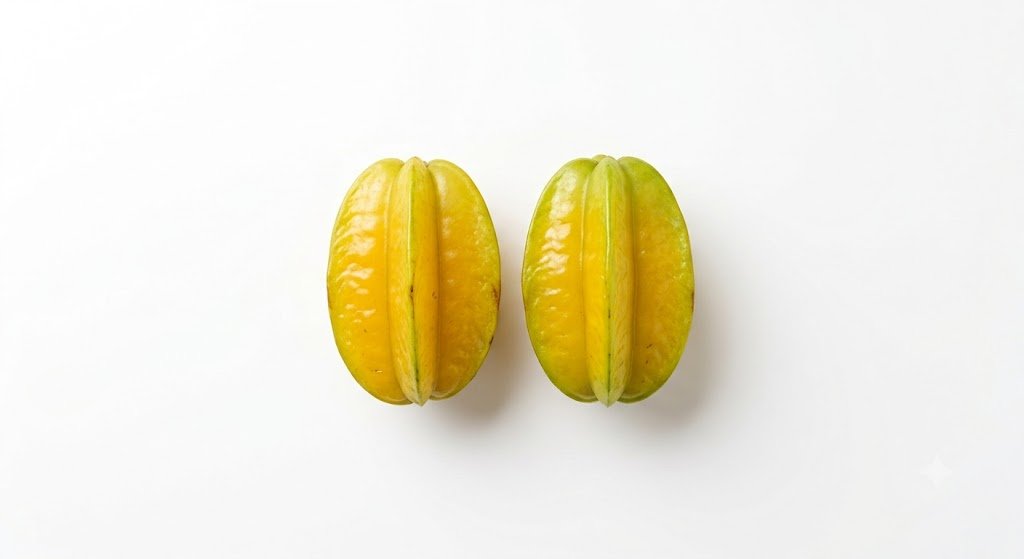

Star Fruit (Averrhoa carambola), commonly known as Carambola, is a tropical fruit. People admire it for its distinctive star-shaped slices, crisp texture, refreshing sweet-tart flavor, and impressive nutritional value. Native to Southeast Asia, particularly Malaysia, Indonesia, and Sri Lanka, this crop has been cultivated for centuries. Furthermore, farmers now grow it widely across India, Thailand, the Philippines, Australia, South America, and other tropical regions.
Rich in vitamin C, dietary fiber, antioxidants, and essential minerals, this produce is widely recognized for supporting immunity, digestive health, heart health, hydration, and overall wellness. This guide explores its history, nutritional profile, health benefits, medicinal uses, cultivation, and delicious ways to enjoy this harvest.
Historical Significance & Cultural Importance of Star Fruit
The fruit has long been valued in tropical regions for its refreshing taste, ornamental appearance, and culinary versatility, symbolizing abundance in various Asian traditions.
-
Southeast Asian Tradition: Farmers have cultivated this crop for generations, and people commonly enjoy it fresh or use it in beverages and traditional dishes.
-
Indian Agriculture: Growers produce the harvest in several tropical regions, and consumers appreciate its refreshing flavor during warm weather.
-
Traditional Wellness Practices: Healers have included various parts of the tree in traditional practices across Asia.
-
Modern Cuisine: Its attractive star-shaped slices make it a popular garnish for fruit platters, salads, desserts, and beverages.
Botanical Description of the Plant
The plant belongs to the Oxalidaceae family and is scientifically classified as Averrhoa carambola.
Plant Characteristics
-
Growth: It is an evergreen tree growing approximately 5–12 meters in height.
-
Leaves: The plant features soft, green, compound leaves that fold together in low light or when touched.
-
Flowers: Small pink to lavender flowers grow in clusters.
-
Fruit: The oval shape features five prominent ridges that form a star shape when sliced crosswise. The flesh is crisp, juicy, and ranges from greenish-yellow to golden yellow when ripe.
Cultivation & Growing Conditions
The crop thrives best in warm, humid tropical and subtropical climates with abundant sunlight.
-
Ideal Temperature: Farmers look for 22–35°C for healthy growth and fruit production.
-
Soil Type: Well-drained loamy soil rich in organic matter with a slightly acidic to neutral pH works best.
-
Propagation: Growers commonly propagate it through grafting, budding, air layering, or seeds.
-
Harvesting Season: Workers typically gather it from June to December, depending on the variety and region.
Nutritional Profile of the Fruit
Naturally low in calories, the produce provides essential vitamins, minerals, antioxidants, and dietary fiber.
Nutrients (Per 100g Serving)
| Nutrient | Amount | Health Benefits |
| Calories | 31 kcal | Provides light natural energy |
| Vitamin C | 34.4 mg | Supports immunity and collagen production |
| Dietary Fiber | 2.8 g | Supports digestive health |
| Potassium | 133 mg | Supports heart and muscle function |
| Magnesium | 10 mg | Supports muscle and nerve function |
| Folate | 12 mcg | Supports healthy cell growth |
| Antioxidants | Naturally Present | Help protect cells from oxidative stress |
Health Benefits of Star Fruit
-
Strengthens the Immune System: Rich in vitamin C, it supports normal immune function while antioxidants protect cells from oxidative stress.
-
Promotes Digestive Health: Dietary fiber encourages regular bowel movements, maintains comfort, and contributes to gut health.
-
Supports Heart Health: Potassium assists in maintaining normal blood pressure, and dietary fiber alongside antioxidants contributes to cardiovascular wellness.
-
Supports Healthy Skin: Vitamin C aids collagen production, while antioxidants shield skin cells from environmental stress.
-
Helps Maintain Hydration: High water content contributes to daily fluid intake during warm weather while remaining low in calories and fat.
Medicinal & Culinary Uses of Star Fruit
-
Fresh Juice: Blend ripe portions with chilled water and a squeeze of lemon to create a refreshing beverage.
-
Smoothie: Combine the fruit with pineapple, yogurt, and banana for a tropical blend.
-
Fruit Salad: Slice the produce into star-shaped pieces and mix with kiwi, strawberries, grapes, and oranges.
-
Chutney: Cook chopped pieces with ginger, spices, and a natural sweetener to prepare a flavorful condiment.
Scientific Research
Several scientific studies highlight the value of this tropical produce:
-
It serves as an excellent source of vitamin C, which contributes to normal immune function and collagen formation.
-
It contains polyphenols and flavonoids that possess antioxidant properties.
-
Regular consumption contributes to a balanced diet and overall nutritional intake.
How to Include Star Fruit in Your Diet
-
Freshly Sliced: Enjoy it as a healthy snack.
-
Beverages: Drink freshly prepared juice without added sugar.
-
Salads & Smoothies: Mix it with berries, kiwi, oranges, and grapes, or blend it with yogurt.
-
Desserts & Garnishes: Add it to cakes, tarts, parfaits, and fruit bowls, or use star-shaped slices to decorate dishes.
Side Effects & Precautions
While safe for many people when consumed in moderation, it requires special consideration:
-
Excessive consumption may cause mild digestive discomfort in sensitive individuals.
-
Some people may experience uncommon allergic reactions.
-
Individuals with kidney disease must avoid this food unless advised otherwise by a healthcare professional, as it naturally contains compounds (including caramboxin and oxalates) that can be harmful when kidney function is impaired.
Enjoy ripe portions as part of a balanced diet to support immunity, digestion, heart health, hydration, and overall wellness.