
Dragon Fruit (Selenicereus undatus), also known as Pitaya or Pitahaya, is a vibrant tropical fruit admired for its striking appearance, mildly sweet flavor, and exceptional nutritional value. Native to southern Mexico and Central America, dragon fruit is now widely cultivated in Vietnam, Thailand, Malaysia, Indonesia, India, Israel, Australia, and other tropical and subtropical regions around the world.
Rich in vitamin C, dietary fiber, magnesium, antioxidants, and beneficial plant compounds, this produce is widely recognized for supporting digestive health, immunity, heart health, skin health, and overall wellness. This guide explores its history, nutritional profile, health benefits, medicinal uses, cultivation, and delicious ways to enjoy dragon fruit.
Historical Significance & Cultural Importance of Dragon Fruit
The crop has been cultivated for centuries and has become an important harvest in many tropical countries. Its vibrant colors and unique appearance symbolize prosperity, vitality, and good fortune in several Asian cultures.
-
Central American Heritage: Indigenous communities cultivated pitaya for its nutritious harvest and drought-resistant nature.
-
Vietnamese Culture: This fruit is considered a symbol of prosperity and is commonly displayed during festivals and celebrations.
-
Southeast Asian Agriculture: Vietnam, Thailand, and Malaysia rank among the world’s leading producers of the crop.
-
Modern Cuisine: Dragon fruit has become popular worldwide in smoothies, fruit bowls, desserts, salads, and refreshing beverages.
Botanical Description of Dragon Fruit
The plant belongs to the Cactaceae family and is scientifically classified as Selenicereus undatus.
Plant Characteristics
-
Growth: Climbing cactus featuring long, fleshy green stems that require support.
-
Leaves: True leaves are absent; photosynthesis occurs through the flattened green stems.
-
Flowers: Large, fragrant white flowers that bloom at night, often called the “Queen of the Night”.
-
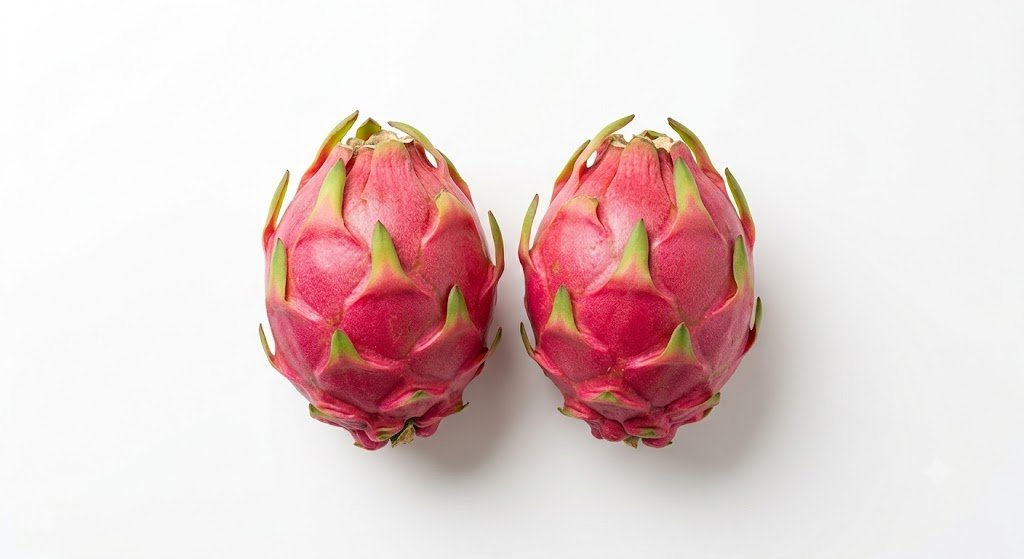
Fruit: Oval shape with bright pink or yellow skin covered in leafy scales, containing white or red flesh with numerous tiny black edible seeds.
Cultivation & Growing Conditions
The crop thrives in warm tropical and subtropical climates with plenty of sunlight.
-
Ideal Temperature: 20–35°C for healthy growth and fruit production.
-
Soil Type: Well-drained sandy loam or loamy soil with a slightly acidic to neutral pH.
-
Propagation: Commonly propagated through stem cuttings or seeds.
-
Harvesting Season: Typically gathered from June to November, depending on the variety and region.
Nutritional Profile of Dragon Fruit
Naturally low in calories, the produce provides essential vitamins, minerals, antioxidants, and dietary fiber.
Nutrients (Per 100g Serving)
| Nutrient | Amount | Health Benefits |
| Calories | 57 kcal | Provides natural energy |
| Vitamin C | 9 mg | Supports immunity and collagen production |
| Dietary Fiber | 3 g | Supports digestive health |
| Magnesium | 18 mg | Supports muscle and nerve function |
| Iron | 0.7 mg | Supports normal oxygen transport |
| Potassium | 268 mg | Supports heart and muscle function |
| Antioxidants | Naturally Present | Help protect cells from oxidative stress |
Health Benefits of Dragon Fruit
-
Strengthens the Immune System: Vitamin C supports normal immune function, while antioxidants protect cells from oxidative stress, bolstering the body’s natural defense mechanisms.
-
Promotes Digestive Health: Rich in dietary fiber, it encourages regular bowel movements, maintains comfort, and supports a healthy gut.
-
Supports Heart Health: Potassium assists in maintaining normal blood pressure, and dietary fiber alongside antioxidants contributes to cardiovascular wellness.
-
Promotes Healthy Skin: Vitamin C aids collagen production, while antioxidants shield skin cells from environmental stress for a radiant appearance.
-
Supports Hydration: High water content contributes to daily fluid intake during warm weather while remaining low in fat and calories.
Medicinal & Culinary Uses of Dragon Fruit
-
Fresh Smoothie: Blend the flesh with yogurt, banana, and coconut water for a tropical beverage.
-
Fresh Juice: Combine with chilled water and a squeeze of lime for a revitalizing drink.
-
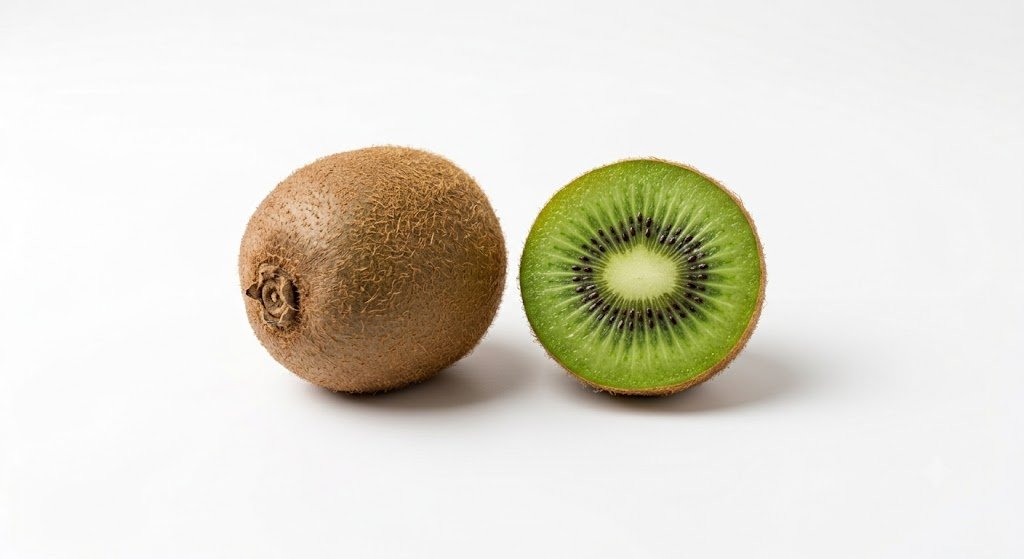
Fruit Salad: Mix the cubes with kiwi, mango, strawberries, and blueberries.
-
Breakfast Bowl: Top diced portions with granola, nuts, seeds, and fresh berries.
Scientific Research
Several scientific studies highlight the value of this tropical produce:
-
It contains vitamin C, polyphenols, and betalains possessing antioxidant properties.
-
The dietary fiber actively supports digestive health within a balanced diet.
-
The seeds supply small amounts of healthy unsaturated fats, adding to its overall nutritional worth.
How to Include Dragon Fruit in Your Diet
-
Freshly Chilled: Enjoy sliced as a healthy snack.
-
Beverages: Drink freshly prepared juice without added sugar.
-
Smoothies & Bowls: Blend with tropical fruits or add to oatmeal and yogurt.
-
Desserts: Utilize in sorbets, ice cream, parfaits, and puddings.
Side Effects & Precautions
While safe for most people, excessive consumption may cause:
-
Mild digestive discomfort in sensitive individuals.
-
Temporary pink or red discoloration of urine or stool after large intakes of red-fleshed varieties, which is generally harmless.
-
Rare allergic reactions in susceptible persons.
Enjoy this visually striking, nutrient-rich tropical food as part of a balanced diet to support digestion, immunity, heart health, skin vitality, and overall wellness.