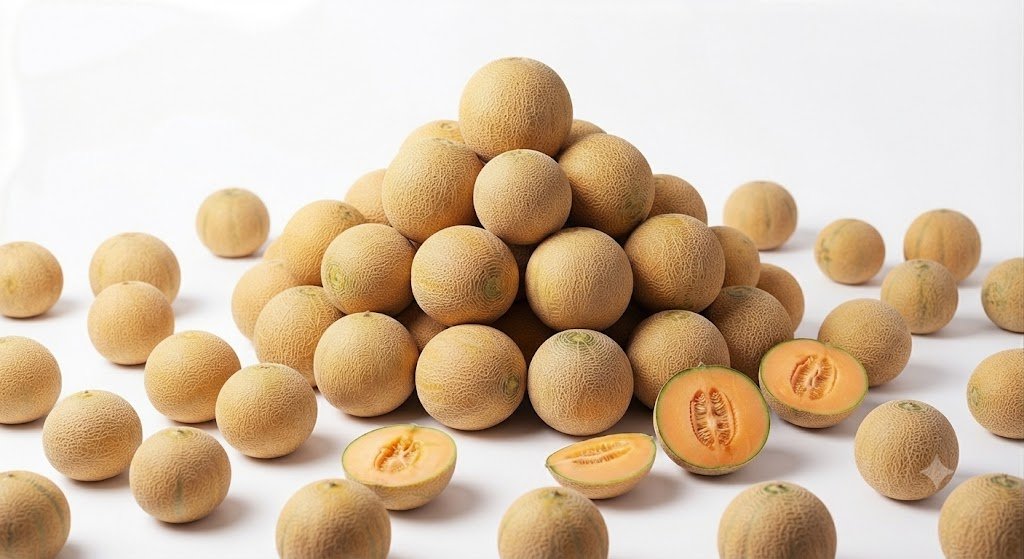

Muskmelon (Cucumis melo), also known as Cantaloupe, Sweet Melon, or Kharbuja, is a refreshing summer fruit celebrated for its naturally sweet flavor, high water content, and impressive nutritional value. Native to regions of Africa, Persia (modern-day Iran), and South Asia, this crop has been cultivated for thousands of years, establishing it as a popular produce item worldwide.
Rich in vitamins, antioxidants, dietary fiber, and essential minerals, experts widely recognize this tropical produce for supporting hydration, digestion, skin health, immunity, and overall wellness. Furthermore, this guide explores historical background, nutritional profile, key wellness advantages, culinary applications, cultivation practices, and delicious ways to enjoy the harvest.
Historical Roots and Global Spread
People have cultivated the plant since ancient times, long appreciating its refreshing taste and cooling properties during hot summer months.
-
Ancient Egypt: Farmers grew melons along the Nile, valuing them as a refreshing source of food and hydration.
-
Persian Civilization: Society prized the fruit for its sweetness, making it an important element in traditional agriculture and cuisine.
-
Indian Ayurveda: Traditional practitioners have historically enjoyed the harvest during summer, appreciating its cooling and hydrating qualities.
-
Mediterranean Culture: Melons eventually became popular throughout Southern Europe and the Mediterranean as an essential seasonal food item.
Botanical Overview
The species belongs to the Cucurbitaceae family and scientists scientifically classify the plant as Cucumis melo.
Plant Characteristics
-
Growth: The species grows as an annual trailing vine featuring spreading stems.
-
Leaves: The plant features large, broad, rough-textured green leaves.
-
Flowers: Bright yellow blooms develop to attract bees and other pollinators.
-
Fruit: The harvest yields a round or oval fruit featuring a netted or smooth rind and sweet orange, green, or cream-colored flesh.
Cultivation & Growing Conditions
The crop thrives best in warm climates characterized by plenty of sunshine and fertile, well-drained soil.
-
Ideal Temperature: Farmers look for 22–30°C to ensure healthy growth and optimal fruit development.
-
Soil Type: Sandy loam or loamy soil with excellent drainage and a slightly acidic to neutral pH works best.
-
Propagation: Growers primarily propagate the vine from seeds.
-
Harvesting Season: Workers typically gather the produce 80–100 days after sowing, depending on the variety and climate.
Nutritional Profile
Naturally low in calories, the harvest provides essential vitamins, minerals, antioxidants, and plenty of water.
Nutrients (Per 100g Serving)
Key Wellness Advantages
-
Keeps the Body Hydrated: Because it contains over 90% water, the fruit helps maintain hydration, making it an excellent food choice during hot weather and naturally replenishing fluids after physical activity.
-
Strengthens the Immune System: Rich in vitamin C, the produce supports normal immune function; furthermore, antioxidants help protect cells from oxidative stress.
-
Supports Eye Health: Serving as an excellent source of vitamin A and beta-carotene, the food helps maintain normal vision and contributes to healthy eye function.
-
Promotes Healthy Digestion: Dietary fiber supports regular bowel movements, while high water content contributes to overall digestive comfort.
-
Supports Heart Health: Potassium helps maintain normal blood pressure, antioxidants support cardiovascular wellness, and the item remains naturally low in sodium and cholesterol-free.
Practical Applications in Wellness and Cooking
-
Fresh Juice: Blend fresh cubes with chilled water and mint leaves to create a refreshing summer beverage.
-
Smoothie: Blend the fruit with yogurt, banana, and honey for a nutritious breakfast smoothie.
-
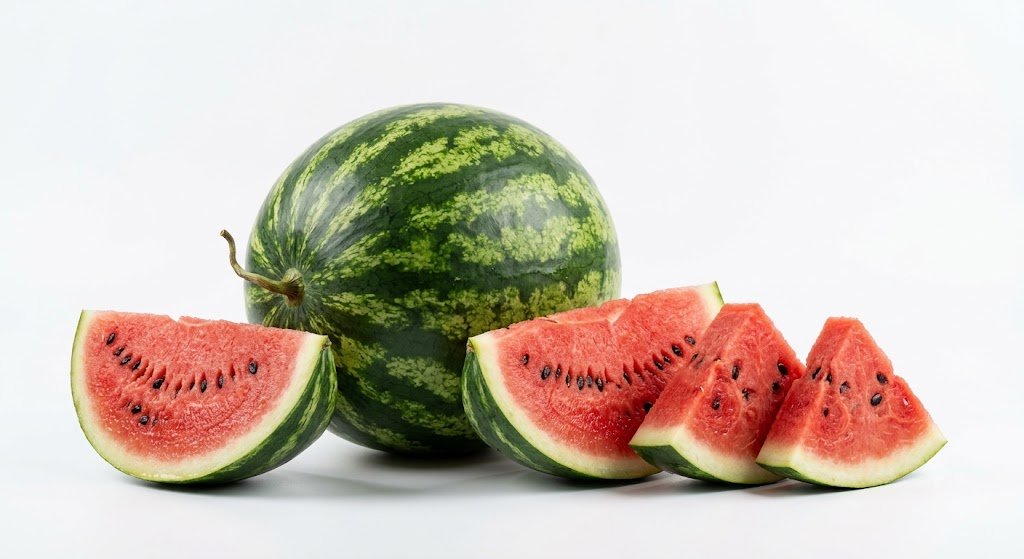
Fruit Bowl: Combine the harvest with watermelon, pineapple, grapes, and kiwi to prepare a vibrant fruit salad.
-
Seed Snack: Roast dried seeds with a pinch of salt or spices to enjoy a crunchy snack rich in protein and healthy fats.
Scientific Insights
Several scientific studies highlight the value of this tropical produce:
-
The food serves as an excellent source of vitamins A and C, both of which support normal immune function and skin health.
-
Beta-carotene present in orange-fleshed varieties acts as an antioxidant that protects cells from oxidative stress.
-
Its high water content contributes significantly to daily hydration and overall wellness.
Incorporating It Into Your Menu
-
Fresh Fruit: Enjoy it chilled as a simple, healthy snack.
-
Fresh Juice: Drink it freshly prepared without added sugar.
-
Fruit Salad: Mix it with watermelon, berries, pineapple, and grapes.
-
Smoothies: Blend it with yogurt or coconut water.
-
Desserts: Add it to yogurt, parfaits, ice cream, or frozen treats.
-
Seeds: Roast the seeds to enjoy a crunchy, nutritious snack.
Side Effects & Precautions
While safe for most people, excessive consumption may cause:
-
Mild digestive discomfort in sensitive individuals.
-
Temporary bloating due to its high water content.
-
Allergic reactions in people with melon allergies.
-
Additionally, individuals managing diabetes should consume the fruit in moderation as part of their overall carbohydrate intake.
Ultimately, the harvest stands out as one of the most refreshing and nutritious summer foods, offering an excellent source of hydration, vitamins, antioxidants, and essential minerals. Whether enjoyed fresh, as juice, in smoothies, fruit salads, or desserts, it provides a delicious addition to a balanced diet, supporting hydration, immunity, digestion, skin health, and overall wellness.