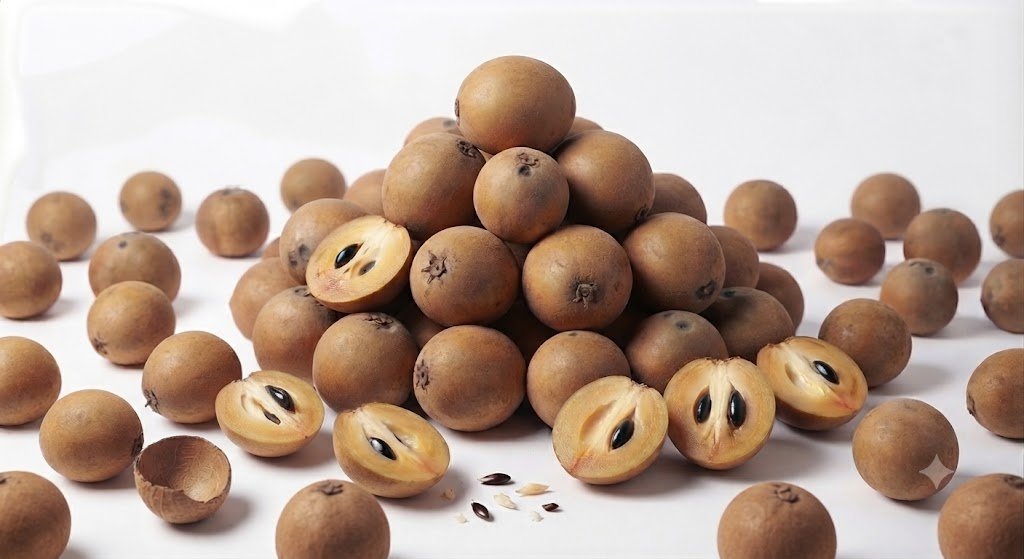
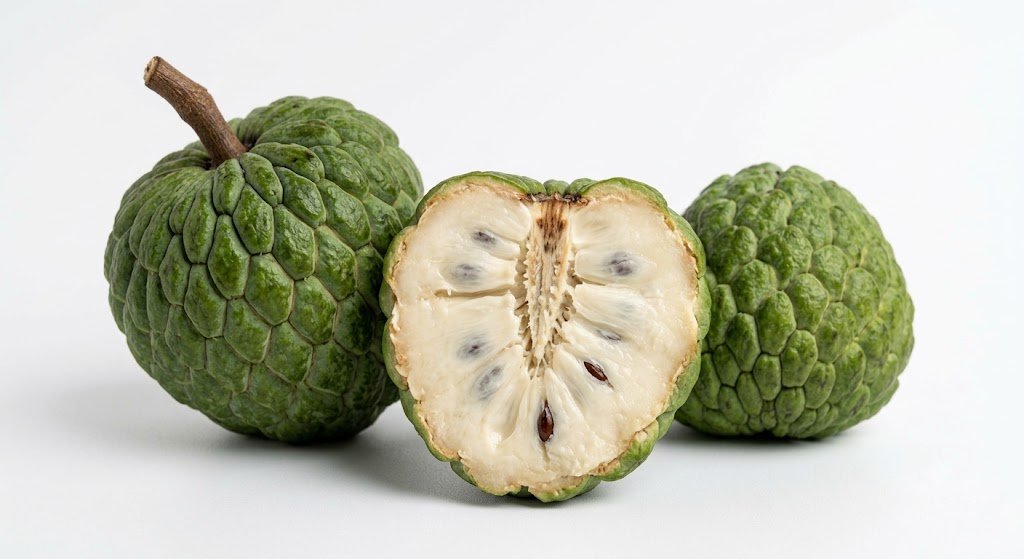

Custard apple is a highly nutrient-dense fruit belonging to the soursop family (Annonaceae). Specifically, it is grown globally for its distinctively knobby, sweet, and fleshy syncarps. This unique fruit is widely celebrated for its exceptionally creamy, custard-like internal texture. Additionally, it features a remarkably sweet, exotic, and tropical flavor profile. For this reason, it has become a major seasonal favorite in many international markets.
Originally, the fruit was native to the tropical regions of the Americas and the West Indies. However, it was domesticated thousands of years ago by early agricultural communities. Later on, it spread across the globe through early Spanish and Portuguese maritime trade routes. Today, it is grown extensively across Asia, Africa, and the Americas. Consequently, it is prized in fresh desserts, ice creams, nutrient-dense milkshakes, and traditional sweet dishes.
Because it is packed with vitamins, minerals, dietary fiber, and beneficial plant compounds, this unique tropical fruit is highly valued by nutritionists. It offers incredible nutritional density alongside remarkable culinary versatility. Therefore, this comprehensive guide explores its history, nutritional profile, health benefits, traditional uses, cultivation methods, and practical ways to include it in your daily diet.
The History of Custard Apple & Its Cultural Importance
This fruit has a long agricultural history rooted deeply in ancient tropical climates. Over time, it spread across the globe through continuous migration and trade.
Custard Apple Through the Ages
- Mesoamerican Origins: Indigenous populations across Central America cultivated it early on. Specifically, they valued its rich sweetness and energy-yielding flesh.
- The Global Maritime Exchange: Early maritime traders distributed the plant across the global tropics. Consequently, it found ideal climate conditions across the Indian subcontinent and Southeast Asia.
- Cultural Reverence in India: As a result of its history, it received the local name Sitaphal. Therefore, it became deeply woven into regional agricultural heritage and seasonal autumn festivals.
- Modern Commercial Value: The tree evolved from a wild backyard plant into a highly valued orchard crop. As a result, it is widely celebrated for its contribution to dairy desserts and wellness diets.
Botanical Description of Custard Apple
Annona squamosa belongs to the Annonaceae family. For instance, it is closely related to other prized tropical fruits like soursop, bullock’s heart, and pawpaw.
Plant Characteristics
- Growth: It grows naturally as a small, semi-deciduous or evergreen tree. Usually, it reaches 3 to 6 meters in height and features a wide, spreading canopy.
- Leaves: The tree produces lanceolate to oblong, thin green leaves. In addition, these leaves emit a distinctively aromatic scent when crushed.
- Flowers: It bears small, drooping, greenish-yellow flowers. Typically, these blossoms appear solitary or in small clusters along the branchlets.
- The Fruit: It forms a spherical or heart-shaped aggregate fruit. Furthermore, the skin is covered in pale green, knobby segments. These segments separate easily when ripe to reveal a creamy white pulp containing smooth, dark brown seeds.
Growing Conditions
This fruit is a strictly tropical and subtropical crop. Therefore, it requires warm, frost-free climates and distinct dry seasons to set high-quality fruit.
- Ideal Temperature: It prefers temperatures between 22–32°C for optimal flowering. However, it is highly sensitive to cold frost, which causes severe leaf drop.
- Soil Type: It thrives best in well-drained, sandy loam or loamy soil. On the other hand, it cannot tolerate waterlogged roots or heavy clay.
- Propagation: It is regularly grown from high-quality seeds. Nevertheless, modern commercial growers utilize grafting to ensure superior fruit size and yields.
- Harvesting Season: Farmers typically harvest it during late autumn and early winter. Specifically, they pick it when the green skin segments transition to a lighter yellow-green color.
Nutritional Profile of Custard Apple
This fruit is naturally rich in energy-yielding natural sugars. Furthermore, it contains high amounts of potassium and protective antioxidant vitamins. As a result, it is a favorite among recovery-focused athletes and healthy eaters.
Nutrients (Per 100g Raw Pulp Serving)
| Nutrient | Amount | Health Benefits |
| Energy | 94 kcal | Clean source of healthy, easily digestible energy |
| Protein | 2.1g | Supplies foundational plant protein building blocks |
| Dietary Fiber | 4.4g | High fiber volume supporting healthy digestion tracking |
| Vitamin C | 36.3mg | Robust antioxidant source supporting systemic immunity |
| Potassium | 247mg | Essential mineral supporting proper fluid balance and heart function |
| Magnesium | 21mg | Supports nervous system health and muscle relaxation pathways |
| Vitamin B6 | 0.2mg | Crucial for healthy brain metabolism and energy production |
Note: Due to its density of natural carbohydrates, custard apple serves as an exceptional post-workout recovery snack. (Source: USDA FoodData Central)
Custard Apple Benefits for Your Everyday Health
1. Supports Robust Immune Function
Because it provides a substantial dose of Vitamin C per serving, it actively stimulates immune cell production. Thus, it defends the body against environmental stress.
2. Promotes Healthy Looking Skin
The abundant Vitamin C works in perfect synergy with internal plant proteins. For example, it promotes natural collagen synthesis to maintain skin elasticity.
3. Supports Cardiovascular Wellness
Its natural potassium content works efficiently alongside dietary fiber. Consequently, it assists the body in regulating optimal blood pressure curves.
4. Promotes Smooth Digestive Health
Boasting over 4 grams of dietary fiber per 100g serving, it encourages consistent bowel motility. In addition, it provides excellent prebiotic nourishment for helpful gut microbes.
5. Supports Nervous System and Mood Regulation
It contains notable amounts of Vitamin B6. Because this essential micronutrient is needed for the synthesis of key neurotransmitters, it supports stable mood metrics.
6. Provides Muscle and Nerve Relaxation
The helpful concentrations of magnesium assist in regulating intracellular calcium channels. Therefore, it helps prevent muscle cramps and relaxes the nervous system.
7. Enhances Desserts Naturally
Its intense, velvety sweetness allows it to replace processed sugars entirely. For instance, you can use it in puddings, milkshakes, and frozen treats.
Traditional & Modern Culinary Uses for Custard Apple
1. Fresh Raw Enjoyment
First, break the ripe fruit open with your hands. Then, scoop out the sweet, creamy pulp with a spoon to enjoy its natural flavor.
2. Artisanal Kheer and Basundi
Stirring the fresh, deseeded pulp directly into slow-reduced milk creates a highly popular traditional South Asian festive dessert.
3. Creamy Shakes and Smoothies
Blending the sweet pulp with cold milk yields an exceptionally thick milkshake. As a result, you do not require processed thickeners.
4. Wholesome Frozen Sorbets
Pureeing the fresh pulp and freezing it directly creates a naturally sweet, dairy-free ice cream alternative. Moreover, it is exceptionally low in fat.
How to Include Custard Apple in Your Diet
- Fresh Spoon Scoops – Chill the ripe fruit, cut it in half, and enjoy the pulp raw while discarding the seeds.
- Festive Milk Shake – Blend deseeded pulp with chilled milk, ice cubes, and a pinch of green cardamom powder.
- Healthy Fruit Parfait – Layer fresh pulp between unsweetened Greek yogurt, chia seeds, and chopped almonds.
- Natural Ice Cream – Freeze the pureed pulp with a splash of coconut cream, blending until smooth before serving.
- Sweet Breakfast Oatmeal – Swirl a couple of tablespoons of fresh pulp into your warm morning porridge as a natural sweetener.
Side Effects & Precautions
While generally safe and highly beneficial for most people, certain precautions apply:
- It presents caloric surplus challenges for individuals tracking strict weight-loss limits. This is because its natural sugar profile is highly energetic.
- Seed and Bark Toxicity Warning: The dark seeds contain concentrated amounts of alkaloids. Therefore, the seeds must always be spit out and should never be chewed or swallowed.
- It may cause mild digestive issues if consumed in excessive quantities due to the high concentrated fiber volume.
Ultimately, individuals tracking strict glycemic loads should consume it in moderation. Ideally, pair it with healthy fats or proteins to balance the natural sugar release. (Source: Wikipedia: Custard Apple)
Conclusion
In summary, Annona squamosa is a nutrient-rich fruit celebrated for its unparalleled velvety structure and distinct seasonal sweetness. From simple raw spoonfuls to complex festive reductions, custard apple continues to reign as a beloved tropical delicacy across the globe. Whether eaten fresh as a seasonal treat or swirled into clean desserts, it delivers incredible wellness-supporting value to a balanced lifestyle.
Therefore, start introducing fresh custard apples into your seasonal fruit rotations. Ultimately, you will enjoy its distinctively creamy texture and health properties as part of a natural, healthy lifestyle.