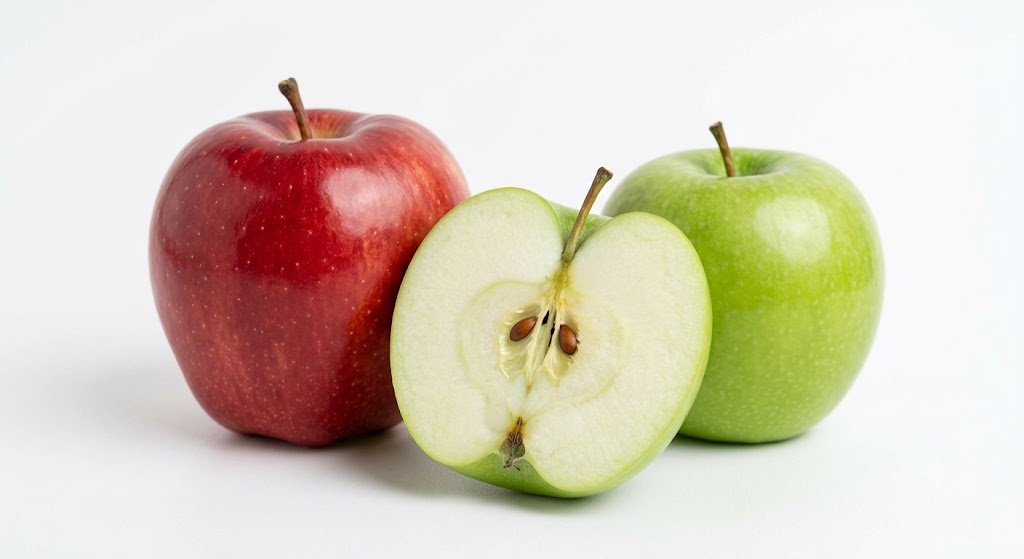

Apple is a nutrient-dense fruit belonging to the rose family (Rosaceae), grown for its fleshy, sweet or tart pomes. Known for its exceptionally crisp texture and vibrant, refreshing juices, this fruit has become a global household favorite. Native to the mountainous regions of Central Asia, it was domesticated thousands of years ago and spread across the globe through early migration, silk road trade, and European exploration. Today it’s grown across North America, Europe, and Asia, and is prized in fresh salads, baked pies, healthy sauces, and refreshing beverages.
Packed with vitamins, minerals, dietary fiber, and beneficial plant compounds, this pome fruit is valued for both its nutritional density and its culinary versatility. This guide explores its history, nutritional profile, health benefits, traditional uses, cultivation methods, and practical ways to include it in your diet.
The History of Apple & Its Cultural Importance
This fruit has a legendary history rooted in ancient Asian valleys and later spread across the globe through migration and trade.
Apple Through the Ages
- Central Asian Origins: Traced back directly to its wild ancestor, Malus sieversii, which still grows naturally in the mountains of Kazakhstan.
- Classical Antiquity: Cultivated and refined by the ancient Greeks and Romans, who recognized its exceptional shelf-life and sweetness.
- American Orchards: Introduced to North America by European settlers in the 17th century, paving the way for expansive orchard agriculture.
- Cultural Symbolism: Holds a prominent place in global folklore, mythology, and religious texts, often symbolizing knowledge, temptation, and health.
Botanical Description of Apple
Malus domestica belongs to the Rosaceae family and is closely related to pears, quinces, peaches, plums, and cherries.
Plant Characteristics
- Growth: A small to medium-sized deciduous tree reaching 3 to 5 meters in height in cultivated orchards.
- Leaves: Simple, oval-shaped dark green leaves with serrated margins, arranged alternately along the branches.
- Flowers: Beautiful, fragrant white or pale pink blossoms that bloom in the spring, requiring insect pollination.
- The Pome: A fleshy fruit characterized by a crisp outer cortex, a thin waxy skin, and a central cartilaginous core enclosing small, dark brown seeds.
Growing Conditions
This fruit is a temperate crop that requires a distinct winter chilling period to break dormancy and trigger healthy spring flowering.
- Ideal Temperature: Prefers moderate summer heat (20–25°C) and requires hundreds of “chill hours” below 7°C during winter.
- Soil Type: Well-drained, deep loamy soil rich in organic matter, maintaining an ideal pH range between 6.0 and 7.0.
- Propagation: Primarily propagated through budding or grafting onto specialized rootstocks to ensure true-to-type fruit quality.
- Harvesting Season: Typically harvested from late summer through autumn, depending completely on the specific cultivar variety.
Nutritional Profile of Apple
This fruit is low in calories yet represents an exceptional source of soluble fibers and active polyphenol compounds, making it a favorite among health-conscious snacks.
Nutrients (Per 100g Raw Serving with Skin)
| Nutrient | Amount | Health Benefits |
| Energy | 52 kcal | Low-calorie source of highly hydrating energy |
| Protein | 0.3g | Supplies trace structural plant proteins |
| Dietary Fiber | 2.4g | Rich in pectin to support gut health and satiety |
| Vitamin C | 4.6mg | Promotes baseline immune defenses and skin repair |
| Potassium | 107mg | Regulates optimal fluid balances and cardiovascular metrics |
| Vitamin K | 2.2µg | Contributes to steady structural bone integrity |
| Water Content | 85.6g | Provides naturally structured cellular hydration |
| Antioxidants | Present | Actively neutralizes free radicals to protect body cells |
Note: Leaving the skin intact is crucial, as a significant portion of the total fiber and antioxidant polyphenols reside directly in the peel. (Source: USDA FoodData Central)
Apple Benefits for Your Everyday Health
1. Promotes Exceptional Digestive Health
Packed with pectin, a specialized soluble prebiotic fiber, it actively feeds beneficial gut microbes and promotes smooth gastrointestinal tracking.
2. Supports Cardiovascular Wellness
The soluble fiber works in perfect synergy with epicatechin polyphenols to help manage blood cholesterol levels and support arterial wall elasticity.
3. Supports Healthy Weight Management
Its high water volume and complex fiber matrix slow down digestion, keeping you feeling full and satisfied between meals naturally.
4. Provides Deep Antioxidant Defense
Contains notable amounts of quercetin, a powerful plant compound heavily studied for its ability to lower systemic oxidative stress.
5. Supports Stable Blood Sugar Curves
Features a low glycemic index, meaning its natural fructose is absorbed gradually into the bloodstream without causing rapid insulin spikes.
6. Supports Immune Function
The combined matrix of Vitamin C and plant flavonoids assists the body’s natural defense barriers against environmental stress.
7. Enhances Meals Naturally
Brings an immediate, refreshing crunch and clean sweetness to both sweet desserts and savory main courses without added sugars.
Traditional & Modern Culinary Uses for Apple
1. Fresh Raw Snacking
Slicing the crisp raw fruit and enjoying it fresh highlights its moisture, sweetness, and satisfying crunch.
2. Baked Desserts and Pies
Cooking the chopped fruit with spices like cinnamon and nutmeg breaks down the structure into a warm, tender, caramelized treat.
3. Home-Cooked Apple Sauce
Simmering peeled fruit down with a splash of water creates a smooth, naturally sweet puree perfect for baking or side pairings.
4. Vibrant Salads
Tossing crisp, thin matchsticks into mixed greens with walnuts and light vinaigrettes brings a beautiful contrast of texture and acidity.
How to Include Apple in Your Diet
- Whole Fruit Snack – Wash thoroughly and enjoy whole with the skin on for maximum fiber.
- Spiced Baked Rings – Core, slice into rings, dust with cinnamon, and bake until tender.
- Crunchy Green Salad – Toss thin red slices with fresh spinach, goat cheese, and almonds.
- Nutritious Morning Oats – Grate a fresh apple directly into your simmering oatmeal or porridge.
- Nut Butter Pairing – Dip crisp slices into natural almond or peanut butter for a balanced snack.
Side Effects & Precautions
While generally safe and highly beneficial for most people when consumed in normal dietary amounts, this fruit may cause:
- Mild bloating or temporary gas in individuals with sensitive digestive tracks if consumed in sudden, large amounts due to its high fructose and fiber content.
- Allergic reactions in rare individuals who experience oral allergy syndrome related to birch pollen.
- Seed safety warning: Apple seeds contain trace amounts of amygdalin; while swallowing a few accidental seeds is completely harmless, they should not be crushed or consumed in large quantities.
Individuals prioritizing daily oral health should rinse their mouth with water after eating sweet fruits to protect tooth enamel from natural fruit acids. (Source: Wikipedia: Apple)
Conclusion
Malus domestica is a nutrient-rich fruit celebrated for its refreshing crunch, exceptional storage life, and immense culinary adaptability. From simple raw snack slices to complex holiday bakes, fresh salads, and morning purees, apple continues to stand as a foundational pillar of whole-food nutrition across the earth. Whether eaten raw on the go or slow-baked to sweet perfection, it delivers incredible life-giving value to a balanced lifestyle.
Start introducing a variety of fresh apples into your daily meal planning and enjoy its distinct sweetness and protective properties as part of a natural lifestyle. For more such posts, visit thenaturefix.in