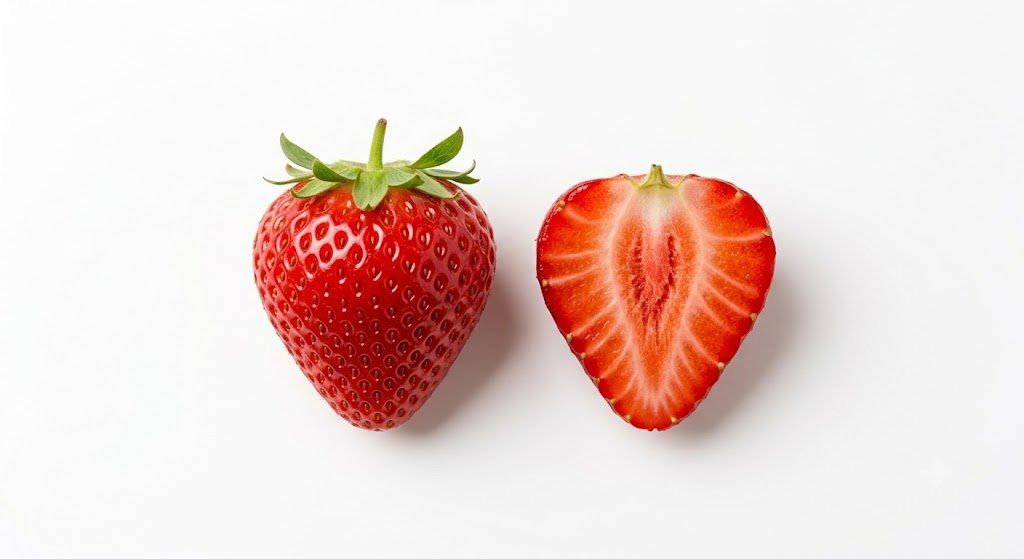

Strawberry is a nutrient-rich fruit celebrated for its vibrant red color, sweet-tart flavor, delightful aroma, and exceptional nutritional value. Native to Europe and the Americas through the hybridization of wild strawberry species, the modern garden strawberry has become one of the world’s most popular fruits. Today, strawberries are cultivated across North America, Europe, Asia, and other temperate regions.
Rich in vitamin C, antioxidants, dietary fiber, and beneficial plant compounds, strawberries are widely recognized for supporting heart health, skin health, immunity, and overall wellness. This guide explores their history, nutritional profile, health benefits, medicinal uses, cultivation, and delicious ways to enjoy strawberries.
Historical Significance & Cultural Importance
Strawberries have been enjoyed for centuries and are often associated with love, purity, prosperity, and the arrival of spring.
Strawberry in Ancient Cultures
Ancient Rome: Wild strawberries were valued for their pleasant flavor and were used in traditional herbal practices.
European Tradition: Strawberries became symbols of purity and abundance and were commonly served at celebrations and festivals.
Native American Heritage: Indigenous communities consumed wild strawberries fresh and incorporated them into traditional dishes.
Modern Agriculture: The cultivated garden strawberry originated in 18th-century France through the crossbreeding of American strawberry species.
Botanical Description
Strawberry belongs to the Rosaceae family and is scientifically classified as Fragaria × ananassa.
Plant Characteristics
Growth: Low-growing perennial herb that spreads through runners.
Leaves: Bright green, serrated, trifoliate leaves with a slightly hairy texture.
Flowers: Small white flowers with yellow centers that develop into fruit after pollination.
Fruit: Bright red, juicy fruit with tiny edible seeds on its outer surface and a sweet, fragrant flesh.
Cultivation & Growing Conditions
Strawberries thrive in cool to mild climates with abundant sunlight and fertile, well-drained soil.
Ideal Temperature: 15–26°C for healthy growth and fruit production.
Soil Type: Well-drained sandy loam rich in organic matter with a slightly acidic pH.
Propagation: Commonly propagated through runners, crowns, or tissue culture.
Harvesting Season: Typically harvested from late winter through early summer, depending on the variety and growing region.
Nutritional Profile of Strawberry
Strawberries are naturally low in calories while providing essential vitamins, minerals, antioxidants, and dietary fiber.
Nutrients in Strawberry (Per 100g Serving)
| Nutrient | Amount | Health Benefits |
|---|---|---|
| Calories | 32 kcal | Provides light natural energy |
| Vitamin C | 58.8 mg | Supports immunity and collagen production |
| Dietary Fiber | 2 g | Supports digestive health |
| Potassium | 153 mg | Supports heart and muscle function |
| Folate | 24 mcg | Supports healthy cell growth |
| Manganese | 0.39 mg | Supports metabolism and bone health |
| Anthocyanins | Naturally Present | Powerful antioxidants that help protect cells |
Health Benefits of Strawberry
1. Strengthens the Immune System
- Rich in vitamin C, which supports normal immune function.
- Antioxidants help protect cells from oxidative stress.
- Supports the body’s natural defense mechanisms.
2. Promotes Heart Health
- Potassium contributes to maintaining normal blood pressure.
- Dietary fiber supports heart-healthy eating patterns.
- Anthocyanins and other antioxidants support cardiovascular wellness.
3. Supports Healthy Skin
- Vitamin C contributes to normal collagen production.
- Antioxidants help protect skin cells from environmental stress.
- Supports healthy-looking and radiant skin.
4. Promotes Digestive Health
- Dietary fiber supports regular bowel movements.
- Helps maintain digestive comfort.
- A nutritious addition to a balanced diet.
5. Supports Brain Health
- Antioxidants help protect cells from oxidative stress.
- Nutrient-rich fruits like strawberries contribute to a healthy dietary pattern.
- Supports overall cognitive wellness as part of a balanced lifestyle.
Medicinal Uses of Strawberry
1. Fresh Strawberry Smoothie
Recipe: Blend fresh strawberries with yogurt, banana, and milk or a plant-based alternative for a refreshing smoothie.
2. Strawberry Juice
Recipe: Blend fresh strawberries with chilled water and a squeeze of lemon for a naturally refreshing drink.
3. Strawberry Fruit Salad
Recipe: Combine strawberries with blueberries, kiwi, grapes, and oranges for a colorful fruit salad.
4. Strawberry Face Mask
Usage: Mash fresh strawberries with honey and yogurt to prepare a hydrating homemade face mask. Perform a patch test before applying to the skin.
Scientific Research on Strawberry
Several scientific studies have highlighted the nutritional value of strawberries:
- Strawberries are an excellent source of vitamin C, which supports immune function and collagen formation.
- They contain anthocyanins, ellagic acid, and other polyphenols with antioxidant properties.
- Regular consumption of berries as part of a balanced diet has been associated with improved overall diet quality and cardiovascular health.
How to Include Strawberry in Your Diet
Fresh Strawberries – Enjoy as a naturally sweet snack.
Strawberry Smoothies – Blend with yogurt or milk.
Fruit Salad – Combine with kiwi, grapes, blueberries, and apples.
Breakfast Bowls – Add sliced strawberries to oatmeal, cereal, or yogurt.
Desserts – Use in cakes, puddings, cheesecakes, and ice cream.
Homemade Jam – Prepare fresh strawberry jam with minimal added sugar.
Side Effects & Precautions
Although strawberries are safe for most people, excessive consumption may cause:
- Mild digestive discomfort in sensitive individuals.
- Allergic reactions in people sensitive to strawberries.
- Increased natural sugar intake if consumed in very large quantities.
- Strawberries should be washed thoroughly before consumption to remove dirt and potential pesticide residues.
Strawberries are among the world’s most nutritious and delicious berries, providing an excellent source of vitamin C, dietary fiber, antioxidants, and essential nutrients. Whether enjoyed fresh, blended into smoothies, added to fruit salads, desserts, or breakfast bowls, strawberries are a versatile addition to a balanced diet. Their impressive nutritional profile supports immunity, heart health, skin health, digestion, and overall wellness while offering a naturally sweet and refreshing flavor.