
Kiwi (Actinidia deliciosa), commonly known as Kiwifruit, is a nutrient-dense fruit. People celebrate it for its vibrant green flesh, tangy-sweet flavor, and exceptional nutritional value. Native to China, where folks originally called it the Chinese gooseberry, this crop is now widely cultivated in countries such as New Zealand, Italy, Chile, Greece, and India. Today, the harvest stands recognized as one of the world’s most nutritious foods.
Rich in vitamin C, dietary fiber, potassium, antioxidants, and essential vitamins, this produce is widely recognized for supporting immunity, digestive health, heart health, skin health, and overall wellness. This guide explores its history, nutritional profile, health benefits, medicinal uses, cultivation, and delicious ways to enjoy the fruit.
Historical Roots and Global Spread
The plant has a long history dating back to ancient China and later gained worldwide popularity after commercial cultivation began in New Zealand.
-
Chinese Tradition: Farmers traditionally gathered this crop from the wild, appreciating it for its nutritional value and unique flavor.
-
New Zealand Heritage: Workers renamed the harvest “kiwifruit” after the country’s national bird, turning it into one of their most successful horticultural exports.
-
Modern Agriculture: Growers cultivate the species across many temperate regions, valuing its high nutritional content and commercial importance.
-
Global Cuisine: People use this ingredient widely in desserts, smoothies, fruit salads, beverages, and healthy snacks around the world.
Plant Overview
The plant belongs to the Actinidiaceae family and is scientifically classified as Actinidia deliciosa.
Botanical Traits
-
Growth: It is a deciduous climbing vine that grows vigorously with proper support.
-
Leaves: The plant features large, broad, heart-shaped green leaves with a soft texture.
-
Flowers: Fragrant white to cream-colored flowers bloom during spring.
-
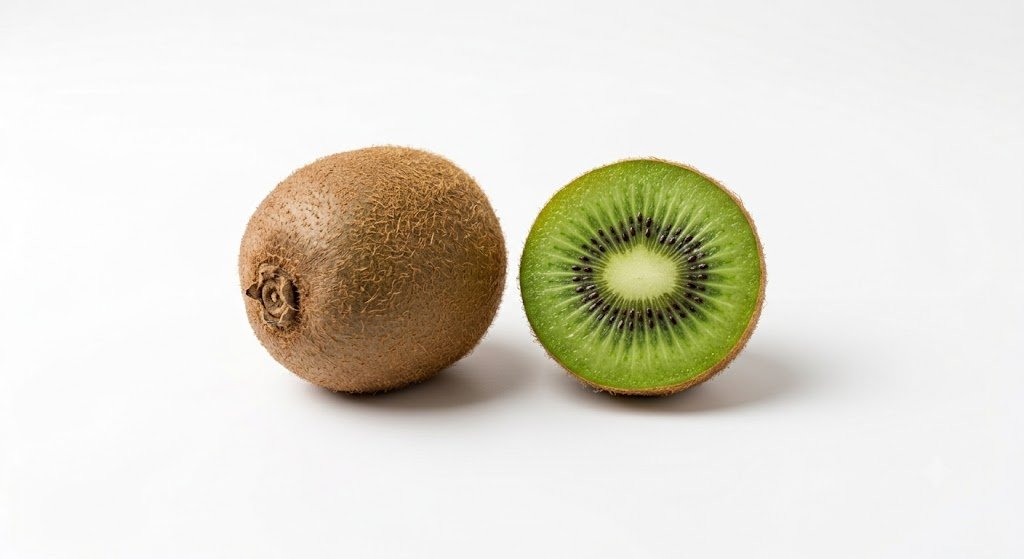
Fruit: The oval-shaped form features a fuzzy brown skin, bright green flesh, tiny edible black seeds, and a white central core.
Cultivation & Growing Conditions
The crop grows best in temperate climates with cool winters, warm summers, and fertile, well-drained soil.
-
Ideal Temperature: Farmers look for 15–30°C for healthy growth and fruit production.
-
Soil Type: Well-drained loamy soil rich in organic matter with a slightly acidic pH works best.
-
Propagation: Growers commonly propagate it through grafting, cuttings, or tissue culture.
-
Harvesting Season: Workers typically gather the produce from October to December in the Northern Hemisphere, depending on the variety and region.
Nutritional Profile
Naturally dense in nutrients, the item provides an excellent source of vitamins, minerals, antioxidants, and dietary fiber.
Nutrients (Per 100g Serving)
| Nutrient | Amount | Health Benefits |
| Calories | 61 kcal | Provides natural energy |
| Vitamin C | 92.7 mg | Supports immunity and collagen production |
| Dietary Fiber | 3 g | Promotes digestive health |
| Potassium | 312 mg | Supports heart and muscle function |
| Vitamin E | 1.5 mg | Helps protect cells from oxidative stress |
| Folate | 25 mcg | Supports healthy cell growth |
| Vitamin K | 40.3 mcg | Supports normal blood clotting and bone health |
Key Wellness Advantages
-
Immune Support: Rich in vitamin C, it supports normal immune function while antioxidants protect cells from oxidative stress.
-
Digestive Support: High dietary fiber supports regular bowel movements, and the natural enzyme actinidin helps digest proteins as part of a balanced diet.
-
Cardiovascular Care: Potassium assists in maintaining normal blood pressure, and dietary fiber alongside antioxidants contributes to cardiovascular wellness.
-
Dermatological Care: Vitamin C aids collagen production, while vitamin E and antioxidants shield skin cells from environmental stress for a radiant appearance.
-
Vision Protection: It contains lutein and zeaxanthin, which are antioxidants associated with maintaining healthy vision and protecting eye cells from oxidative stress.
Practical Applications in Wellness and Cooking
-
Fresh Smoothie: Blend peeled portions with yogurt, banana, spinach, and chilled water to create a refreshing beverage.
-
Juice: Combine fresh fruit with apple and lemon juice for a naturally revitalizing drink.
-
Fruit Salad: Mix the produce with strawberries, grapes, oranges, and blueberries to prepare a colorful dish.
-
Face Mask: Mash ripe portions with honey and yogurt to prepare a homemade skincare treatment, remembering to perform a patch test first.
Scientific Insights
Several scientific studies highlight the value of this tropical produce:
-
It serves as one of the richest natural sources of vitamin C, which contributes to normal immune function.
-
It contains antioxidants such as vitamin E, lutein, and polyphenols that help protect cells from oxidative stress.
-
Actinidin, a natural enzyme present in the fleshy pulp, supports protein digestion.
Incorporating It Into Your Menu
-
Freshly Peeled: Enjoy sliced pieces as a healthy snack.
-
Smoothies & Bowls: Blend with yogurt and other fruits, or add sliced portions to oatmeal and cereal.
-
Salads & Desserts: Mix with berries, oranges, grapes, and apples, or use in cakes, tarts, and parfaits.
-
Beverages: Blend into refreshing juices and mocktails without added sugar.
Side Effects & Precautions
While safe for most people, excessive consumption may cause:
-
Mild digestive discomfort in sensitive individuals.
-
Allergic reactions in people sensitive to latex or related botanicals.
-
Mouth irritation due to natural fruit acids.
-
Individuals taking blood-thinning medication should consult a healthcare professional regarding vitamin K intake if dietary consistency is important.
Enjoy this nutrient-dense food as part of a balanced diet to support immunity, digestion, heart health, skin health, and overall wellness.