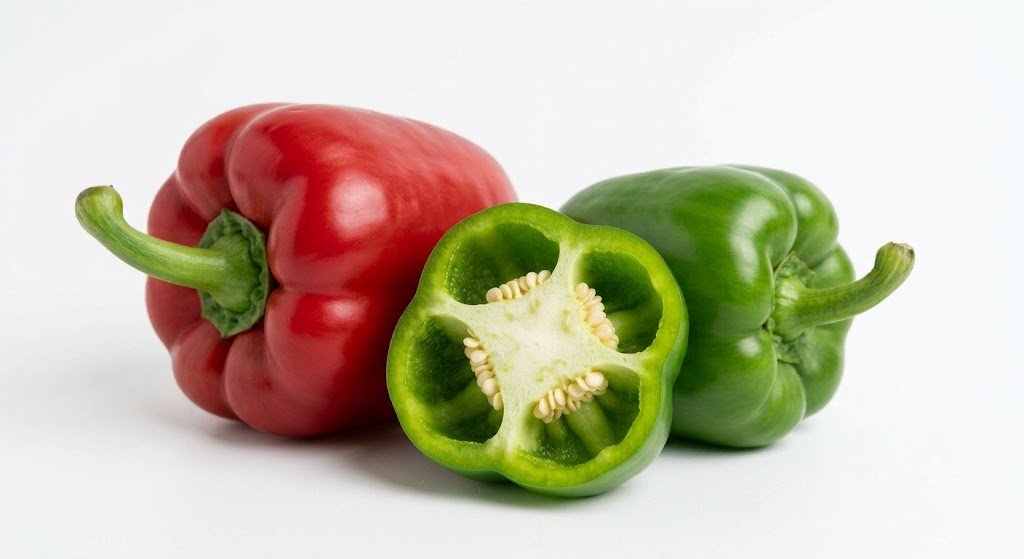

Capsicum, also widely known as bell pepper or sweet pepper, is a nutrient-dense vegetable belonging to the nightshade family (Solanaceae), grown for its plump, hollow, brilliantly colored pods. Known for its crisp texture and ranging from a mildly bitter to sweet flavor profile, this vegetable has become a staple in kitchens worldwide. Native to the tropical regions of the Americas, it was domesticated thousands of years ago and spread across the globe through early exploration and historic trade networks. Today it’s grown across Asia, Europe, and the Americas, and is prized in stir-fries, salads, stuffed baking recipes, and continental side dishes.
Packed with vitamins, minerals, dietary fiber, and beneficial plant compounds, this podded vegetable is valued for both its nutritional density and its culinary versatility. This guide explores its history, nutritional profile, health benefits, traditional uses, cultivation methods, and practical ways to include it in your diet.
The History of Capsicum & Its Cultural Importance
This vegetable has a long agricultural history rooted in Central and South America and later spread across the globe through migration and trade.
Capsicum Through the Ages
- Ancient Mesoamerican Origins: Cultivated for over 5,000 years by indigenous populations in Mexico and Central America, valued for its medicinal properties and flavor.
- The European Misnomer: Introduced to Europe by 15th-century explorers who mistakenly associated its mild spice with black pepper, leading to the name “bell pepper.”
- Global Integration: Adopted rapidly by Asian and European farmers, giving rise to distinct sweet cultivars that completely transformed regional cuisines.
- Modern Popularity: Now one of the most widely cultivated greenhouse and field crops globally, celebrated for adding striking visual color and crisp moisture to everyday meals.
Botanical Description of Capsicum
Capsicum annuum belongs to the Solanaceae family and is closely related to tomatoes, potatoes, eggplants, and chili peppers.
Plant Characteristics
- Growth: A tender, warm-season perennial shrub grown agriculturally as a branching annual, reaching 50–100 cm in height.
- Leaves: Smooth, dark green, ovate leaves arranged alternately along woody stems.
- Flowers: Small, solitary, star-shaped white flowers that bloom prior to fruit development.
- The Pod: A large, fleshy berry featuring a smooth, waxy outer skin, a hollow interior cavity with a pale central placenta, and numerous small, flat seeds.
Growing Conditions
This vegetable is a warm-season crop that thrives in abundant sunlight, requiring warm soil temperatures to develop sweet, thick walls.
- Ideal Temperature: 21–28°C for optimal flowering and fruit set; cold drafts can cause blossoms to drop.
- Soil Type: Well-drained, fertile sandy loam soil rich in organic matter, maintaining a stable pH between 6.0 and 6.8.
- Propagation: Grown from seed, typically started in temperature-controlled environments before being transplanted outside.
- Harvesting Season: Ready to harvest 60–90 days after transplanting, green pods can be picked early, or left on the vine to ripen into yellow, orange, or red colors.
Nutritional Profile of Capsicum
This vegetable is low in calories yet represents one of the single highest dietary sources of antioxidant Vitamin C, making it a favorite among skin-health-conscious eaters.
Nutrients (Per 100g Raw Red Serving)
| Nutrient | Amount | Health Benefits |
| Energy | 31 kcal | Low-calorie source of highly hydrating energy |
| Protein | 1.0g | Supplies basic structural plant protein building blocks |
| Dietary Fiber | 2.1g | Supports proper digestion tracking and metabolic health |
| Vitamin C | 127.7mg | Elite antioxidant source supporting immunity and collagen production |
| Vitamin A | 157µg | Supports clear vision metrics and cellular membrane shield |
| Vitamin B6 | 0.29mg | Essential for baseline energy metabolism and neurotransmitter health |
| Folate (B9) | 46.0µg | Vital for proper DNA structure and healthy cell division |
| Antioxidants | Present | Actively neutralizes free radicals to protect body cells |
Note: Nutritional components change significantly with maturity; a fully ripe red capsicum contains up to eleven times more beta-carotene and double the Vitamin C of a green pod. (Source: USDA FoodData Central)
Capsicum Benefits for Your Everyday Health
1. Provides Superior Antioxidant Defense
Packed with deep carotenoids like capsanthin, lutein, and zeaxanthin, it actively shields delicate cellular structures from systemic oxidative stress.
2. Supports Elite Immune Performance
A single serving provides well over 100% of the recommended daily intake of Vitamin C, stimulating white blood cell activity to mount swift defenses against environmental stress.
3. Promotes Healthy Looking Skin
The massive concentration of Vitamin C works in perfect synergy with Vitamin A to stimulate collagen synthesis, helping maintain skin elasticity and repair cellular tissue.
4. Supports Vision Longevity
Contains high amounts of lutein and zeaxanthin, protective plant pigments that collect in the retina to help shield your eyes from blue light damage.
5. Supports Cardiovascular Wellness
Its natural potassium content, paired with vitamin B6 and dietary fiber, works effectively to assist the body in regulating healthy blood pressure curves.
6. Supports Iron Absorption
The extreme volume of Vitamin C vastly enhances the bioavailability of non-heme iron from plant foods when eaten together during a meal.
7. Enhances Meals Naturally
Adds an immediate burst of vibrant color, crisp crunch, and innate sweetness to savory main courses without introducing extra sodium.
Traditional & Modern Culinary Uses for Capsicum
1. Fresh Salads and Platters
Slicing raw red, yellow, and green strips brings an immediate crunch, bright color, and juicy moisture to mixed Mediterranean salads.
2. Quick Wok Stir-Fries
Tossing uniform squares into a scorching hot wok with garlic and ginger cooks the outer skin slightly while preserving its distinct inner crispness.
3. Savory Stuffed Pods
Hollowing out mature pods creates a perfect natural cup that can be filled with spiced grains, lentils, or lean proteins and baked thoroughly.
4. Roasted and Pureed Condiments
Roasting whole pods until the outer skin chars brings out an intense sweetness, perfect for blending into smooth sauces and dips.
How to Include Capsicum in Your Diet
- Vibrant Wok Sauté – Slice multi-colored strips and flash-fry with onions, mushrooms, and light herbs.
- Stuffed Dinner Cups – Pack hollowed pods with a mixture of cooked quinoa, tomatoes, and black beans, then bake.
- Crisp Snack Sticks – Cut into thick longitudinal wedges and pair with fresh hummus or yogurt dips.
- Morning Egg Scramble – Finely dice green and red pieces to fold directly into your morning breakfast pan.
- Charred Spread – Roast, peel off the charred outer skin, and blend the sweet flesh with olive oil and garlic.
Side Effects & Precautions
While generally safe and beneficial for most people when consumed in normal dietary amounts, this vegetable may cause:
- Mild digestive issues or heartburn in individuals with distinct sensitivities to nightshade family plants.
- Temporary skin irritation for highly sensitive individuals when handling the inner white membrane or seeds directly.
Individuals tracking optimal daily nutrition should incorporate a balance of green, yellow, and red varieties to enjoy the full matrix of maturing plant compounds. (Source: Wikipedia: Bell Pepper)
Conclusion
Capsicum annuum is a nutrient-rich vegetable celebrated for its exceptional color spectrum, refreshing crunch, and immense culinary adaptability. From simple raw snack sticks to complex stuffed bakes and global stir-fries, capsicum continues to stand as a vital whole food component in healthy diets across the earth. Whether eaten crisp and raw or slow-roasted to sweet perfection, it delivers incredible life-giving value to a balanced lifestyle.
Start introducing a mix of colorful capsicums into your weekly culinary creations and enjoy its distinct sweetness and protective properties as part of a healthy lifestyle. For more such posts visit, naturefix.in