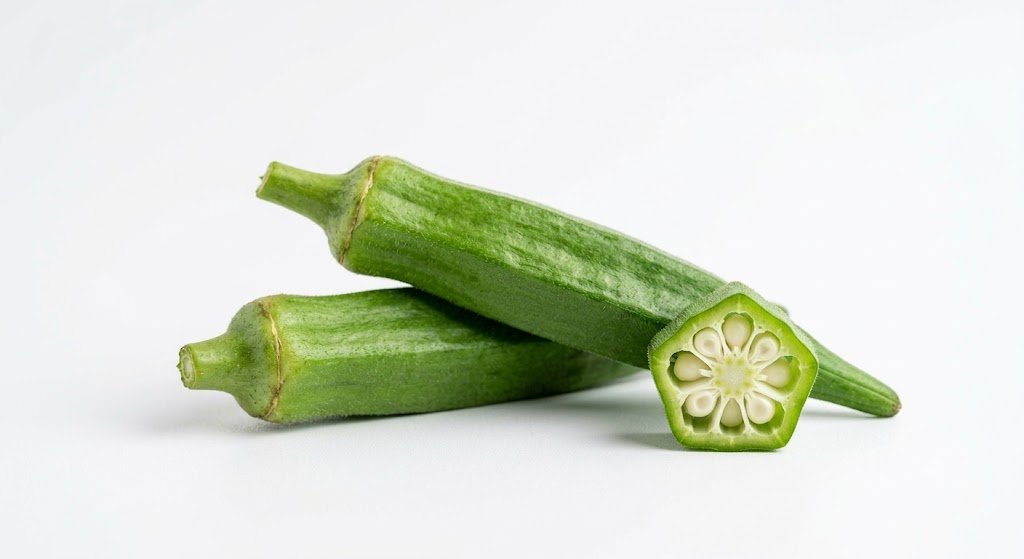

Ladyfinger, also widely known as okra or bhindi, is a nutrient-dense vegetable belonging to the mallow family (Malvaceae), grown for its edible green seed pods. Known for its mild, earthy flavor and unique mucilaginous texture, this vegetable has become a staple in kitchens worldwide. Native to the tropical regions of Africa or South Asia, it was domesticated thousands of years ago and spread across the globe through early migration and trade routes. Today it’s grown across Asia, Africa, the Middle East, and the Americas, and is prized in stir-fries, curries, stews, and gumbos.
Packed with vitamins, minerals, dietary fiber, and beneficial plant compounds, this podded vegetable is valued for both its nutritional density and its culinary versatility. This guide explores its history, nutritional profile, health benefits, traditional uses, cultivation methods, and practical ways to include it in your diet.
The History of Ladyfinger & Its Cultural Importance
This vegetable has a long agricultural history rooted in ancient tropical climates and later spread across the globe through migration and trade.
Ladyfinger Through the Ages
- Ancient Roots: Cultivated along the Nile Basin in ancient Egypt and parts of West Africa, where early civilizations valued its resilience in hot climates.
- South Asian Staple: Deeply integrated into South Asian agriculture centuries ago, becoming an essential component of daily culinary traditions.
- Global Migration: Introduced to the Americas and the Caribbean via historical trade routes in the 17th and 18th centuries, laying the foundation for Southern gumbo dishes.
- Modern Popularity: Now one of the most widely consumed warm-season vegetables globally, valued for its unique thickener capabilities and deep nutritional profile.
Botanical Description of Ladyfinger
Abelmoschus esculentus belongs to the Malvaceae family and is closely related to cotton, cocoa, and hibiscus plants.
Plant Characteristics
- Growth: A vigorous, warm-season annual shrub reaching 1 to 2 meters in height.
- Leaves: Large, broad, palmately lobed leaves with a slightly rough texture.
- Flowers: Beautiful, hibiscus-like flowers featuring yellowish-white petals with a distinct deep red or purple center.
- Seed Pod: The edible elongated, pentagonal or hexagonal pod, containing numerous small, soft, white edible seeds.
Growing Conditions
This vegetable is a warm-season crop that prefers hot, sunny climates over cold or frost-prone environments.
- Ideal Temperature: 25–35°C for optimal seed germination and rapid pod development.
- Soil Type: Fertile, well-drained sandy loam or loamy soil with a neutral pH (6.5 to 7.5).
- Propagation: Grown directly from high-quality seeds sown in open fields or garden beds.
- Harvesting Season: Ready to harvest 50–60 days after planting, when the pods are young, tender, and snap easily before becoming woody.
Nutritional Profile of Ladyfinger
This vegetable is low in calories yet uniquely dense in soluble fibers and antioxidant vitamins, making it a favorite among nutrition-conscious eaters.
Nutrients (Per 100g Raw Serving)
| Nutrient | Amount | Health Benefits |
| Energy | 33 kcal | Low-calorie source of clean energy |
| Protein | 1.9g | Supports basic tissue repair and muscle maintenance |
| Dietary Fiber | 3.2g | Supports digestive tracking and cholesterol management |
| Vitamin C | 23.0mg | Supports immune defenses and cellular repair |
| Vitamin K | 31.3µg | Supports proper blood clotting mechanics and bone density |
| Folate (B9) | 60.0µg | Vital for cellular division and healthy prenatal development |
| Magnesium | 57.0mg | Essential for nerve signaling and muscle relaxation |
| Antioxidants | Present | Actively neutralizes free radicals to protect body cells |
Note: Nutrient values vary slightly depending on growing conditions, freshness, and cooking method. (Source: USDA FoodData Central)
Ladyfinger Benefits for Your Everyday Health
1. Supports Healthy Blood Sugar Levels
The unique mucilage and soluble fiber structure inside ladyfinger slow down glucose absorption in the intestinal tract, helping maintain stable post-meal blood sugar curves.
2. Promotes Smooth Digestive Health
Its rich gel-like fiber naturally coats the digestive lining, facilitating smooth bowel motility and acting as an effective prebiotic for helpful gut bacteria.
3. Supports Cardiovascular Wellness
The soluble fiber binds to excess bile acids and cholesterol in the digestive tract, encouraging their safe elimination and supporting a healthy heart.
4. Provides Antioxidant Protection
Contains notable amounts of polyphenols, including isoquercitrin, which work actively to lower systemic oxidative stress and protect cardiovascular walls.
5. Supports Bone Health
Provides a steady dietary supply of Vitamin K and calcium, which work synergously to maintain skeletal integrity and proper bone mineralization.
6. Supports Immune Function
Its substantial Vitamin C content provides vital support to the immune system by stimulating the production and efficiency of white blood cells.
7. Enhances Meals Naturally
Acts as a completely natural thickening agent for stews, broths, and traditional curries without requiring processed starches or flour.
1. Stir-Fries (Bhindi Fry)
Slicing the pods thinly and cooking them on high heat with spices like turmeric, cumin, and dry mango powder reduces the natural sliminess, yielding a crisp dish.
2. Gumbos and Thick Stews
The internal mucilage acts as a perfect natural thickener when simmered slowly over time alongside meats, aromatic vegetables, and broth bases.
3. Pickled Pods
Preserving whole, crisp ladyfinger pods in a vinegar, salt, and herb brine helps retain their firm exterior texture for long periods.
4. Roasted or Air-Fried
Tossing split pods with cold-pressed oil and sea salt, then roasting at high heat, transforms them into a highly nutritious, crunchy snack alternative.
How to Include Ladyfinger in Your Diet
- Crisp Stir-Fry – Sauté with diced onions, tomatoes, and regional spices on a wide, open pan.
- Hearty Stews – Chop into medium wheels and stir directly into boiling lentil curries or vegetable broths.
- Oven Roasted – Roast whole pods until the skin becomes slightly blistered and caramelized.
- Air-Fried Chips – Slice longitudinally, dust lightly with chickpea flour, and air-fry until crisp.
Side Effects & Precautions
While generally safe and beneficial for most people when consumed in normal dietary amounts, this vegetable may cause:
- Mild bloating or gas if consumed in large quantities by individuals unaccustomed to high fiber volumes.
- Kidney stone considerations for highly susceptible individuals, as ladyfinger contains clear concentrations of dietary oxalates.
- Interaction risks for those taking specific diabetic medications; consult a doctor to ensure dietary consistency.
Individuals tracking stable vitamin K intake for blood-thinning therapies should keep their consumption consistent to avoid disrupting medication efficacy. (Source: Wikipedia: Okra)
Conclusion
Abelmoschus esculentus is a nutrient-rich vegetable celebrated for its distinct texture, comforting properties, and incredible culinary versatility. From classic dry stir-fries to slow-simmered gumbos and modern baked snacks, ladyfinger has locked in its status as a foundational food around the globe. Whether cooked crisp or used as a rich stew base, it delivers amazing wellness-supporting value to your lifestyle.
Start incorporating ladyfinger into your cooking routine and enjoy its distinctive flavor profile and digestive benefits as part of a natural, balanced diet.