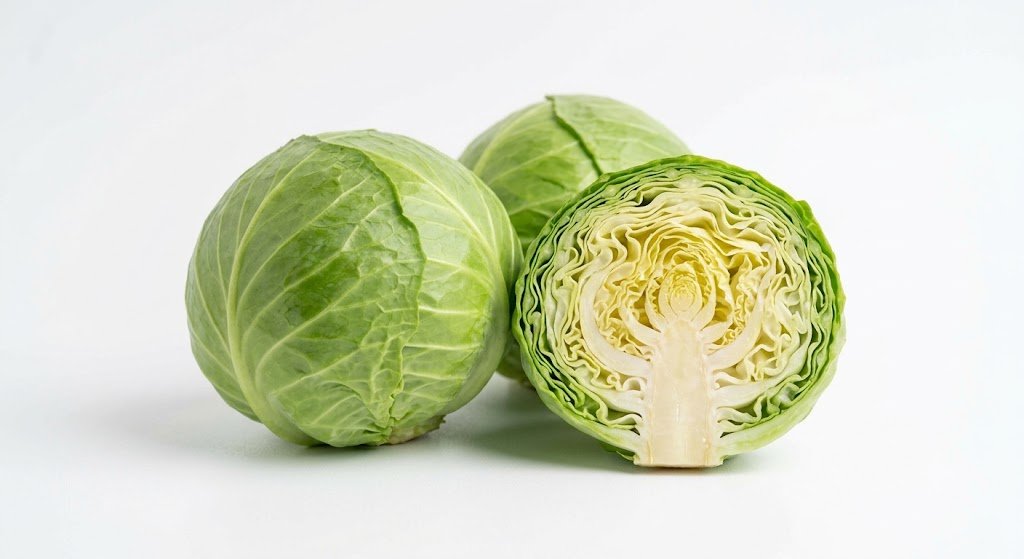

Cabbage is a nutrient-dense vegetable belonging to the mustard family (Brassicaceae), grown for its dense, leafy heads. Known for its crisp texture and mild, slightly peppered flavor, this vegetable has become a staple in kitchens worldwide. Native to the coastal regions of Western Europe, it descends from wild cabbage variants and was cultivated by early European societies thousands of years ago. Today it’s grown across Asia, Europe, and the Americas, and is prized in stir-fries, salads, fermented dishes, and hearty soups.
Packed with vitamins, minerals, dietary fiber, and beneficial plant compounds, this leafy vegetable is valued for both its nutritional density and its culinary versatility. This guide explores its history, nutritional profile, health benefits, traditional uses, cultivation methods, and practical ways to include it in your diet.
The History of Cabbage & Its Cultural Importance
This vegetable has a long agricultural history rooted in the ancient European coastlines and later spread across the globe through migration and trade.
Cabbage Through the Ages
- Ancient European Roots: Collected from wild cliffs by early Celtic and Roman communities, who valued its ability to store well through harsh winters.
- The Fermentation Revolution: Traveled along trade routes into Asia, leading to the creation of traditional fermented staples like kimchi and sauerkraut.
- Global Maritime Staple: Carried extensively on long-haul ship voyages during the Age of Sail to prevent scurvy due to its exceptional shelf-life and nutrient density.
- Modern Popularity: Now one of the most widely cultivated and economically important vegetables globally, celebrated in both raw slaw dishes and hot stir-fries.
Botanical Description of Cabbage
Brassica oleracea var. capitata belongs to the Brassicaceae family and is closely related to broccoli, cauliflower, kale, and Brussels sprouts.
Plant Characteristics
- Growth: A hardy, cool-season biennial plant grown agriculturally as an annual, reaching 30–50 cm in height.
- Leaves: Broad, thick, and tightly overlapping leaves that fold inward to protect the central core.
- The Head: A dense, compact spherical or oval cluster of leaves, varying in texture from smooth to crinkled (Savoy variants).
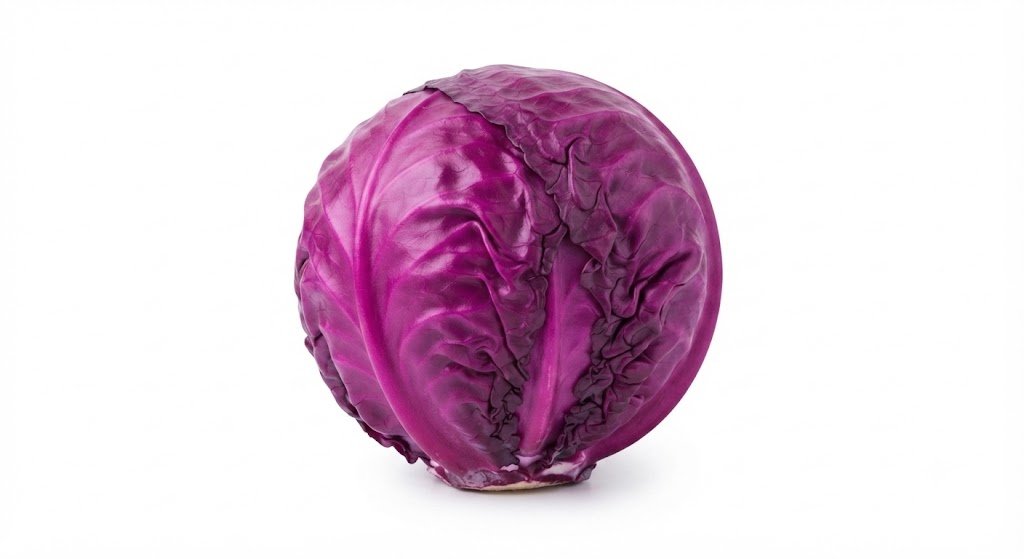
- Varieties: Includes traditional green cabbage, robust red/purple cabbage (rich in anthocyanins), and mild, elongated Napa varieties.
Growing Conditions
This vegetable is a cool-season crop that prefers moderate temperatures and consistent moisture over intense summer heat.
- Ideal Temperature: 15–20°C for optimal head development and density.
- Soil Type: Fertile, well-drained loamy soil rich in organic matter, maintaining a stable pH between 6.0 and 6.8.
- Propagation: Grown from seed, typically started in protected nurseries before being transplanted into field beds.
- Harvesting Season: Ready to harvest 70–120 days after transplanting, when the head feels completely firm and solid to the touch.
Nutritional Profile of Cabbage
This vegetable is incredibly low in calories yet exceptionally dense in antioxidant vitamins and sulfurous compounds, making it a favorite among health-conscious eaters.
Nutrients (Per 100g Raw Serving)
| Nutrient | Amount | Health Benefits |
| Energy | 25 kcal | Exceptionally low-calorie source of clean energy |
| Protein | 1.3g | Supports structural tissue repair and maintenance |
| Dietary Fiber | 2.5g | Promotes gastrointestinal motility and gut health |
| Vitamin C | 36.6mg | Supports immune responses and collagen synthesis |
| Vitamin K | 76.0µg | Vital for blood clotting systems and bone health |
| Folate (B9) | 43.0µg | Essential for cellular division and DNA integrity |
| Potassium | 170mg | Supports optimal cardiovascular fluid balance |
| Antioxidants | Present | Actively neutralizes free radicals to protect body cells |
Note: Nutrient values vary slightly depending on growing conditions, freshness, and the specific variety (e.g., purple cabbage contains significantly higher antioxidant counts). (Source: USDA FoodData Central)
Cabbage Benefits for Your Everyday Health
1. Provides Powerful Anti-Inflammatory Protection
Contains glucosinolates and sulforaphane, specialized sulfur compounds that help lower systemic oxidative stress and support cellular defense mechanisms.
2. Supports Digestive Health
Its robust mixture of insoluble fiber and prebiotic fibers promotes smooth bowel motility and feeds the helpful bacteria residing in the gut microbiome.
3. Supports Heart Health
The vibrant red and purple varieties are packed with anthocyanins—potent plant pigments that contribute to cardiovascular wellness by lowering arterial strain.
4. Supports Immune Function
Providing a substantial dose of Vitamin C per serving, it assists the body in stimulating the production and efficiency of protective white blood cells.
5. Supports Bone Health
The steady dietary abundance of Vitamin K works synergistically with trace calcium to maintain strong skeletal structures and proper bone mineralization.
6. Supports Healthy Weight Management
Its extremely low calorie density combined with high water and fiber content makes it an ideal food for calorie-conscious eating patterns.
7. Enhances Meals Naturally
Adds an exceptional crunch, bright color, and refreshing texture to simple salads and complex cooked dishes alike.
Traditional & Modern Culinary Uses for Cabbage
1. Raw Salads and Slaws
Shredding the raw leaves thinly and tossing them with vinegar, citrus juices, or healthy fats highlights its crisp texture and peppery bite.
2. Fermented Staples (Sauerkraut & Kimchi)
Submerging shredded cabbage in a salt brine encourages the growth of beneficial lactobacilli, creating a tangy, probiotic-rich food.
3. Quick Stir-Fries
Tossing chopped leaves into an open wok on high heat with garlic, ginger, and light seasonings yields a tender yet crunchy side dish.
4. Hearty Soups and Stews
Adding rough-chopped leaves into slow-simmered broths allows the vegetable to soften, absorbing savory flavors completely.
How to Include Cabbage in Your Diet
- Crisp Slaw Salad – Mix finely shredded green and purple leaves with a lemon-herb dressing.
- Quick Garlic Sauté – Sauté chopped leaves briefly in a hot pan with cold-pressed oil and crushed garlic.
- Probiotic Topping – Add a spoonful of traditional fermented sauerkraut to your savory bowls.
- Warm Vegetable Soup – Drop a handful of chopped leaves into simmering lentil or chicken broths.
- Roasted Wedges – Slice the head into thick wedges, brush with olive oil, and roast until the edges caramelize.
Side Effects & Precautions
While generally safe and beneficial for most people when consumed in normal dietary amounts, this vegetable may cause:
- Temporary bloating or gas, especially when eaten raw in large quantities by sensitive digestive systems.
- Interference with certain thyroid medications due to its goitrogenic compounds if consumed in massive, raw quantities over long periods.
Individuals on blood-thinning medication should monitor their intake due to the high Vitamin K content, which plays a role in blood clotting mechanics, and should consult a medical professional if unsure. (Source: Wikipedia: Cabbage)
Conclusion
Brassica oleracea var. capitata is a nutrient-rich vegetable celebrated for its crisp profile, exceptional storage life, and incredible culinary versatility. From traditional fermented sides to modern raw slaws and hot stir-fries, cabbage continues to stand as one of the most reliable and nourishing whole foods globally. Whether eaten raw or cooked, it delivers amazing wellness-supporting value to your daily routine.
Start incorporating cabbage into your favorite meal rotations and enjoy its distinctive crunch and health benefits as part of a natural lifestyle. For More such blogs, visit Naturefix.in