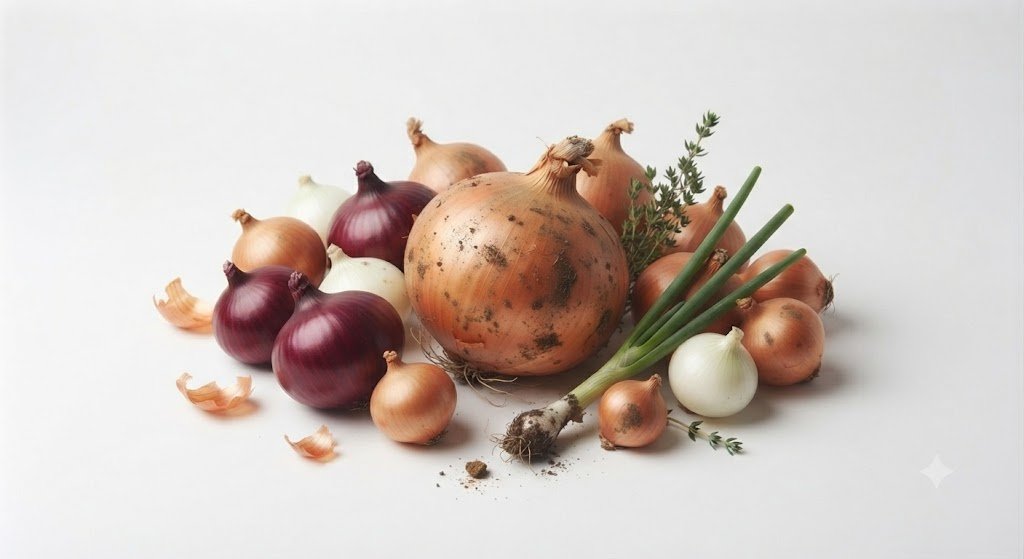

Onion (Allium cepa) is one of the most widely consumed vegetables in the world. Known for its distinctive flavor and aroma, onion is a staple ingredient in cuisines across many cultures. Beyond its culinary uses, onion contains a variety of vitamins, minerals, antioxidants, and plant compounds that may support overall health.
Onions are available in several varieties, including red, white, yellow, and sweet onions. They can be eaten raw, cooked, grilled, roasted, pickled, or incorporated into numerous dishes.
Rich in antioxidants such as quercetin and sulfur-containing compounds, onions have been associated with benefits for heart health, immune function, blood sugar regulation, and digestive health.
Nutrition Facts of Onion
According to USDA data, 100 grams of raw onion contains approximately:
- Calories: 40 kcal
- Protein: 1.1 grams
- Carbohydrates: 9.3 grams
- Dietary Fiber: 1.7 grams
- Total Fat: 0.1 grams
- Sugars: 4.2 grams
- Water: Approximately 89%
Key Vitamins
- Vitamin C
- Vitamin B6
- Folate
- Thiamin
Key Minerals
- Potassium
- Manganese
- Calcium
- Magnesium
- Phosphorus
Important Plant Compounds
- Quercetin
- Sulfur compounds
- Flavonoids
- Anthocyanins (especially in red onions)
Onions are low in calories and fat while providing beneficial antioxidants and phytonutrients.
Evidence-Based Health Benefits of Onion
Research suggests that onions may provide several health benefits when consumed regularly as part of a balanced diet.
1. Supports Heart Health
Onions contain antioxidants and sulfur compounds that may help reduce inflammation, improve blood vessel function, and lower cardiovascular risk factors.
Quercetin, a powerful antioxidant found in onions, may help support healthy blood pressure levels.
2. Rich in Antioxidants
Onions are an excellent source of antioxidants that help neutralize harmful free radicals.
These compounds may reduce oxidative stress and protect cells from damage associated with aging and chronic diseases.
3. May Help Regulate Blood Sugar
Certain compounds in onions may improve insulin sensitivity and support blood sugar regulation.
Some studies suggest onions may help lower fasting blood glucose levels, particularly in individuals with type 2 diabetes.
4. Supports Immune Function
The vitamin C and antioxidant content of onions contribute to healthy immune system function.
Regular consumption may help the body defend against infections and inflammation.
5. Promotes Digestive Health
Onions contain prebiotic fibers, including inulin and fructooligosaccharides.
These compounds nourish beneficial gut bacteria, supporting digestive health and a balanced gut microbiome.
6. May Support Bone Health
Research suggests that regular onion consumption may contribute to improved bone density, particularly in older adults.
The beneficial compounds in onions may help reduce bone loss over time.
7. Possesses Antibacterial Properties
Onions contain natural compounds that may inhibit the growth of certain bacteria.
Although onions should not replace medical treatment, their antimicrobial properties may contribute to overall health.
8. May Reduce Inflammation
The antioxidants and sulfur compounds in onions may help reduce inflammatory markers in the body.
Lower inflammation is associated with a reduced risk of several chronic diseases.
9. May Support Cancer Prevention
Laboratory and population studies suggest that compounds found in onions may help protect cells from certain types of cancer.
More research is needed, but the findings are promising.
Side Effects and Precautions
Onions are generally safe and nutritious for most people.
However, some individuals may experience side effects.
Digestive Discomfort
Onions contain fermentable carbohydrates known as FODMAPs, which may cause:
- Bloating
- Gas
- Abdominal discomfort
- Diarrhea
This is particularly common in people with irritable bowel syndrome (IBS).
Heartburn and Acid Reflux
Raw onions may trigger heartburn or worsen acid reflux symptoms in sensitive individuals.
Allergic Reactions
Although uncommon, onion allergies can occur and may cause:
- Skin irritation
- Itching
- Swelling
- Respiratory symptoms
Eye Irritation
Cutting onions releases sulfur compounds that can irritate the eyes and cause tearing.
Medication Considerations
People taking blood-thinning medications should consult a healthcare provider if consuming very large amounts of onions regularly.
How to Eat Onion and Recommended Dosage
Recommended Daily Intake
There is no official daily recommendation for onions.
Most studies showing benefits involve consuming approximately:
- Half to one medium onion daily
- About 50 to 100 grams per day
Best Ways to Eat Onion
Raw Onions
Raw onions retain the highest levels of certain antioxidants and sulfur compounds.
Add them to:
- Salads
- Sandwiches
- Wraps
- Salsa
Cooked Onions
Cooking softens flavor and improves digestibility.
Use them in:
- Curries
- Soups
- Stir-fries
- Rice dishes
- Vegetable preparations
Roasted Onions
Roasting brings out natural sweetness and creates a rich flavor.
Pickled Onions
Pickled onions can add flavor and variety to meals.
Onion Powder
Onion powder provides convenience and can be used in seasoning blends and recipes.
Who May Benefit Most?
Onions may be particularly beneficial for:
- Individuals focused on heart health
- People seeking antioxidant-rich foods
- Those interested in blood sugar management
- Individuals aiming to improve gut health
- Adults looking to increase vegetable intake
- People seeking low-calorie, nutrient-dense foods
Final Thoughts
Onions are a nutritious and versatile vegetable that provide vitamins, minerals, antioxidants, and beneficial plant compounds. Their potential benefits include support for heart health, blood sugar regulation, digestive wellness, immune function, and inflammation management.
Including onions regularly in a balanced diet is a simple and affordable way to enhance both flavor and nutrition. Whether eaten raw, cooked, roasted, or pickled, onions can be a valuable addition to a healthy lifestyle.