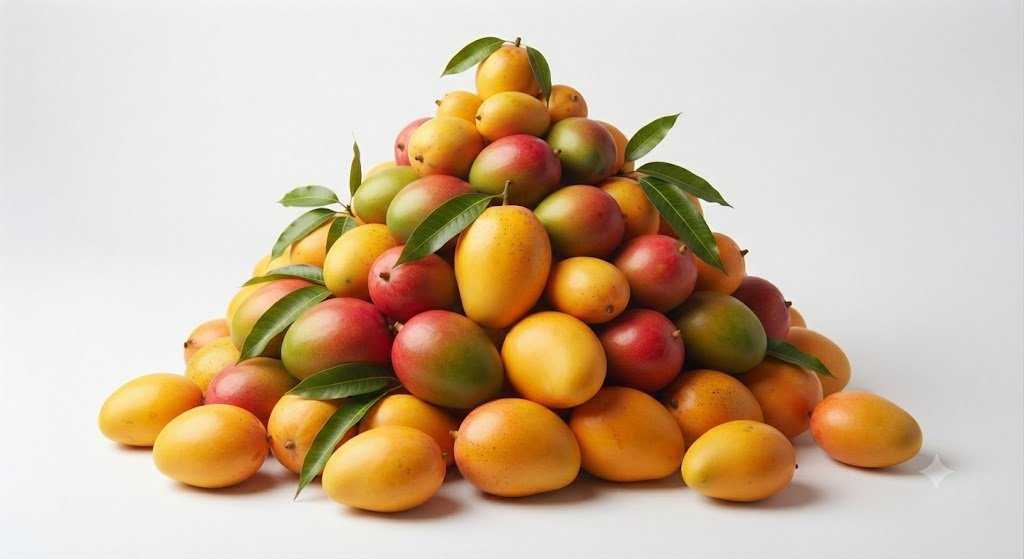

Mango (Mangifera indica) is a nutrient-rich tropical fruit celebrated for its delicious flavor, impressive nutritional value, cultural importance, and culinary versatility. Native to the Indian subcontinent, humans have cultivated this crop for over 4,000 years, and it is now grown throughout Asia, Africa, Australia, and the Americas.
Often referred to as the “King of Fruits,” the harvest is packed with vitamins, minerals, antioxidants, and dietary fiber that support overall health. Furthermore, this guide explores the history of the crop, its nutritional profile, health benefits, traditional uses, cultivation, and delicious ways to enjoy the fruit.
Historical Significance & Cultural Importance
The fruit has held a special place in history, religion, and traditional medicine for thousands of years, symbolizing prosperity, abundance, love, and fertility across many cultures.
-
Indian Tradition: Considered sacred in Hinduism, households use the leaves during festivals, weddings, and religious ceremonies to symbolize prosperity and good fortune.
-
Buddhist Tradition: Historical accounts suggest Gautama Buddha meditated in groves of the tree because of their peaceful surroundings.
-
Ayurveda: Traditional wellness practices have long incorporated different parts of the plant—including the fruit, leaves, bark, and seed.
-
Southeast Asia: Across Thailand, the Philippines, Indonesia, and neighboring countries, communities widely celebrate the harvest in local cuisine and traditional medicine.
Botanical Description
The species belongs to the Anacardiaceae family and scientists scientifically classify the plant as Mangifera indica.
Plant Characteristics
-
Growth: An evergreen tree reaching 10–40 meters in height depending on the specific variety.
-
Leaves: Long, glossy, lance-shaped fronds that emerge reddish before turning deep green.
-
Flowers: Small yellowish-white blooms growing in large clusters.
-
Fruit: An oval or kidney-shaped drupe with smooth skin that turns green, yellow, orange, or red when ripe, featuring sweet flesh surrounding a large flat seed.
Cultivation & Growing Conditions
The crop thrives best in tropical and subtropical climates characterized by plenty of sunshine and well-drained soil.
-
Ideal Temperature: Farmers look for 24–30°C to ensure healthy growth and optimal fruit production.
-
Soil Type: Well-drained loamy soil featuring a slightly acidic to neutral pH works best.
-
Propagation: Growers commonly propagate the plant through grafting for consistent fruit quality, though seeds can also be used.
-
Harvesting Season: Workers typically gather the produce between March and July in many tropical regions, depending on the variety and local climate.
Nutritional Profile
Naturally rich in elements, the item provides an excellent source of vitamins, antioxidants, and beneficial plant compounds that contribute to a balanced diet.
Nutrients (Per 100g Serving)
| Nutrient | Amount | Health Benefits |
| Calories | 60 kcal | Provides natural energy |
| Vitamin C | 36.4 mg | Supports immune function and collagen production |
| Vitamin A | 54 mcg | Supports healthy vision and skin |
| Dietary Fiber | 1.6 g | Promotes digestive health |
| Potassium | 168 mg | Supports normal muscle and nerve function |
| Folate | 43 mcg | Important for cell growth and development |
| Vitamin E | 0.9 mg | Helps protect cells from oxidative stress |
Health Benefits
-
Supports Immune Health: Rich in vitamin C, the produce supports normal immune function, provides vitamin A to maintain healthy skin and mucous membranes, and contains antioxidants that help protect cells from oxidative stress.
-
Promotes Healthy Digestion: Dietary fiber supports regular bowel movements, while natural digestive enzymes such as amylases help break down carbohydrates during ripening, fitting smoothly into a gut-friendly balanced diet.
-
Supports Eye Health: Providing vitamin A and carotenoids important for maintaining normal vision, the food also supplies lutein and zeaxanthin—antioxidants found in many colorful fruits and vegetables.
-
Supports Heart Health: Potassium contributes to normal blood pressure regulation, fiber helps support healthy cholesterol levels when included in an overall balanced diet, and antioxidants help reduce oxidative stress in the body.
-
Supports Skin Health: Vitamin C contributes to normal collagen production, vitamin A supports healthy skin renewal, and antioxidants help protect tissues from environmental damage.
Traditional Uses
-
Fresh Smoothie: Blend one ripe portion with yogurt or milk and ice (add a little honey if desired) to create a refreshing beverage.
-
Green Chutney: Combine chopped raw fruit with mint, coriander, green chili, ginger, and spices to prepare a tangy accompaniment.
-
Face Mask: Mix mashed ripe portions with yogurt and honey to create a hydrating face mask (always perform a patch test before applying to the skin).
-
Herbal Tea: Wash young leaves thoroughly and simmer them in water for several minutes to prepare a traditional herbal infusion.
Scientific Research
Several scientific studies highlight the value of this tropical produce:
-
The harvest contains polyphenols such as mangiferin, which possess powerful antioxidant properties.
-
Studies suggest that consuming the fruit contributes to improved overall diet quality due to its high vitamin and fiber content.
-
Ongoing research investigates the bioactive compounds of the plant and their potential role in supporting overall health.
How to Include the Harvest in Your Diet
-
Fresh Fruit: Enjoy raw pieces as a naturally sweet, energizing snack.
-
Smoothies: Blend segments with yogurt, milk, or other tropical fruits.
-
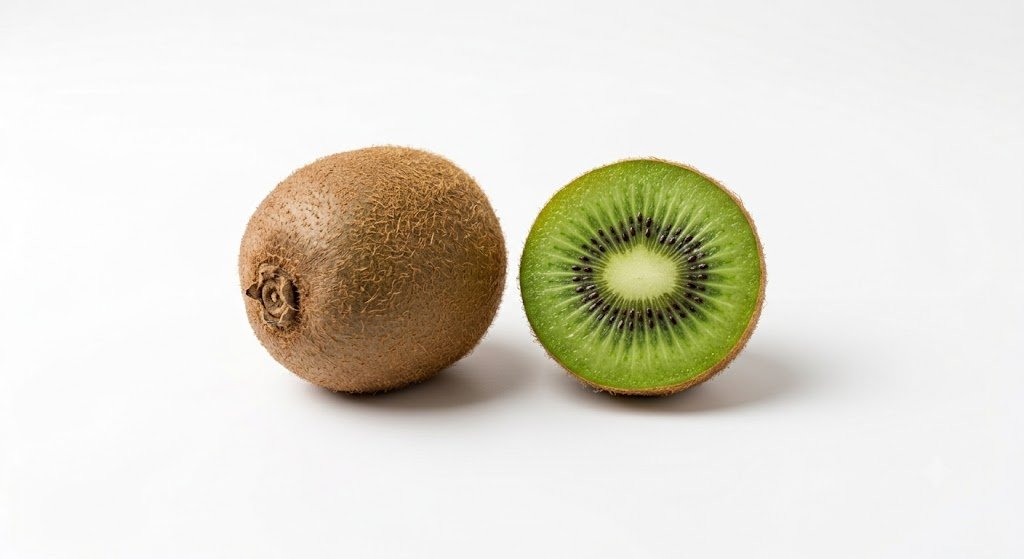
Fruit Salads: Combine diced fruit with berries, pineapple, kiwi, or citrus selections.
-
Salsa: Mix the harvest with tomatoes, onions, cilantro, and lime for a savory dish.
-
Desserts: Add pieces to yogurt, chia pudding, oatmeal, or homemade ice cream, or prepare fresh juice without excessive added sugar.
Side Effects & Precautions
While generally safe for most people when consumed as part of a balanced diet, excessive consumption may cause:
-
High sugar intake if consumed in very large quantities.
-
Allergic reactions in individuals sensitive to the fruit or other members of the Anacardiaceae family.
-
Skin irritation from compounds present in the outer peel and sap for sensitive individuals.
-
Additionally, people managing diabetes should monitor portion sizes and overall carbohydrate intake.
Ultimately, this produce stands out as one of nature’s most nutritious and flavorful tropical fruits. Rich in vitamins, antioxidants, fiber, and beneficial plant compounds, it supports a healthy lifestyle when included as part of a daily routine. Whether enjoyed fresh, blended into smoothies, added to salads, or used in traditional recipes, it offers exceptional taste and nutritional value, allowing individuals to enjoy one of the world’s most beloved fruits while benefiting from its impressive profile.