
Artichoke boasts a loyal following among functional nutritionists, culinary chefs, and holistic health seekers alike. This remarkable thistle vegetable packs powerful inulin, cynarin, and antioxidant compounds into every serving. Research supports its health benefits far beyond typical vegetable-hype.
Let us examine what this plant genuinely achieves for liver support, digestive wellness, and cholesterol management. Furthermore, we will cover areas where science needs more human trials and how to consume it safely.
What Is Artichoke?
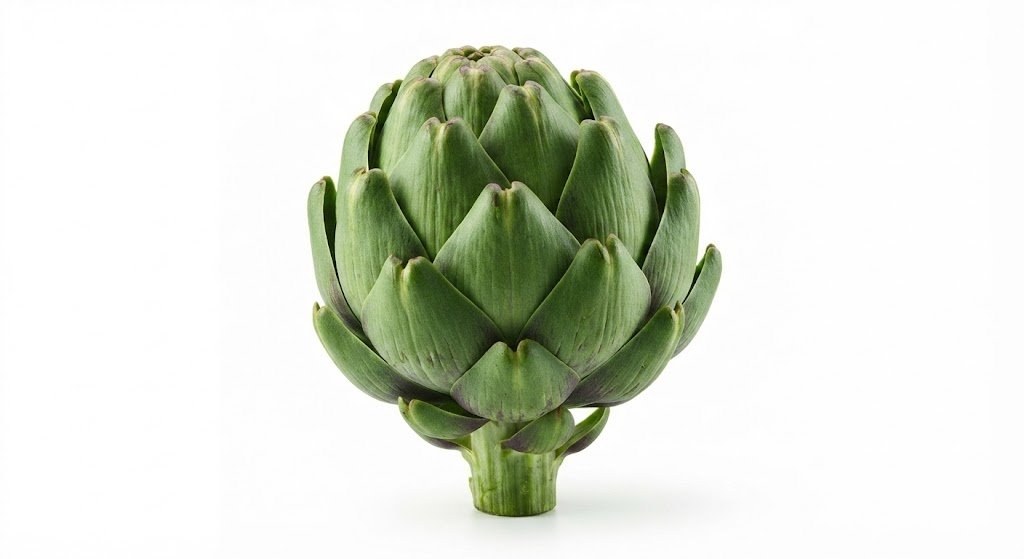
Artichoke (Cynara cardunculus var. scolymus), also known as globe artichoke or French artichoke, is a large thistle-like perennial plant belonging to the daisy family (Asteraceae). It is native to the Mediterranean region. Consequently, it has served traditional Mediterranean diets and herbalism for centuries. Its edible immature flower buds, consisting of fleshy bracts and the tender heart, house the active phytochemicals.
A single serving of the cooked globes delivers concentrated micronutrients, prebiotic fibers, and polyphenolic acids rather than heavy macronutrients. Active plant compounds like cynarin, silymarin-related flavonoids, and inulin drive its distinct therapeutic activity and antioxidant properties.
How Artichoke Supports Health and Disease Prevention
Liver Health and Bile Production Support
This stands as one of the plant’s most famous benefits, particularly regarding hepatic function and detoxification pathways.
-
The Mechanism: Bioactive phenolic compounds, particularly cynarin, stimulate the liver to produce and release bile. Therefore, this helps support efficient lipid metabolism and natural digestive cleansing.
-
The Research: Extensive clinical trials demonstrate that consistent consumption of artichoke leaf extracts significantly improves liver enzyme markers and promotes healthy biliary flow.
Digestive Wellness and Prebiotic Support
Gastrointestinal health and regularity rely heavily on non-digestible dietary fibers and beneficial gut microbes.
-
The Mechanism: High concentrations of inulin, a soluble prebiotic fiber, pass through the upper digestive tract undigested to nourish beneficial colon bacteria selectively.
-
The Research: Gastrointestinal evaluations demonstrate that regular consumption of prebiotic-rich hearts supports a balanced microbiome and promotes optimal digestive function.
Cholesterol Management and Lipid Balance
Heart wellness and circulatory efficiency rely heavily on maintaining healthy blood lipid profiles and mitigating oxidative stress.
-
The Mechanism: Luteolin and other active antioxidants inhibit cholesterol synthesis while promoting the excretion of bile acids through the digestive tract.
-
The Research: Nutritional science shows that regular intake of artichoke extracts helps lower LDL cholesterol levels and supports overall cardiovascular health.
Cellular Defense and Antioxidant Protection
Cellular longevity and internal defense depend heavily on protection against oxidative stress and free-radical damage.
-
The Mechanism: Abundant polyphenols and flavonoids neutralize harmful reactive oxygen species across delicate tissues throughout the body.
-
The Research: Biochemical assessments show that regular dietary intake of antioxidant-rich thistle buds provides robust protection against cellular wear and tear.
How to Add Artichoke to Your Diet
The therapeutic thistle is versatile, functioning as a tender, savory culinary addition to diverse home-cooked dishes:
-
Steamed whole with lemon and garlic: Trim the sharp tips, steam whole globes until tender, and pull the fleshy bracts through melted butter or dipping sauces.
-
Roasted hearts in olive oil: Slice baby artichoke hearts and roast them until golden and tender for a rich, flavorful salad topping.
-
Marinated in Mediterranean antipasto: Enjoy jarred artichoke hearts tossed into grain bowls, pastas, or Mediterranean salads for a quick nutrient boost.
-
Start moderately: Begin with standard culinary portions to allow your digestive system to adapt comfortably to the rich prebiotic fiber content.
Safety Considerations for Artichoke
The thistle is remarkably safe for most individuals. However, specific physiological factors require attention:
-
Gallbladder Obstruction Warnings: Because artichoke stimulates strong bile flow, individuals with diagnosed gallstones or bile duct blockages should consult a physician before consuming concentrated extracts.
-
Asteraceae Family Allergies: Individuals with known allergies to ragweed, marigolds, daisies, or chrysanthemums may experience cross-reactivity and should exercise caution.
-
Gastrointestinal Adjustment: The rich prebiotic inulin content can cause mild digestive warmth or gas in individuals unaccustomed to fibrous thistle vegetables.
-
Sourcing and Storage: Always choose heavy, tightly closed globes and store them unwashed in the refrigerator to maintain optimal freshness.
The Bottom Line
The savory Mediterranean thistle backs up its culinary reputation with a solid research base. Specifically, it shines regarding liver support, digestive prebiotic wellness, and cholesterol management. Distinguishing between proper daily portioning and understanding personal health needs remains the biggest variable in enjoying it safely.
Done right, it makes a protective, therapeutic, and flavorful addition to a broader wellness lifestyle. It offers no standalone miracle cure. Yet, it remains one of the most liver-supportive and antioxidant-dense vegetables in the natural world.