
Asparagus boasts a loyal following among culinary chefs, functional nutritionists, and health seekers alike. This remarkable spring vegetable packs powerful prebiotic fibers, vitamins, and antioxidant compounds into every serving. Research supports its health benefits far beyond typical spear-vegetable hype.
Let us examine what this plant genuinely achieves for digestive wellness, urinary support, and cellular defense. Furthermore, we will cover areas where science needs more human trials and how to consume it safely.
What Is Asparagus?
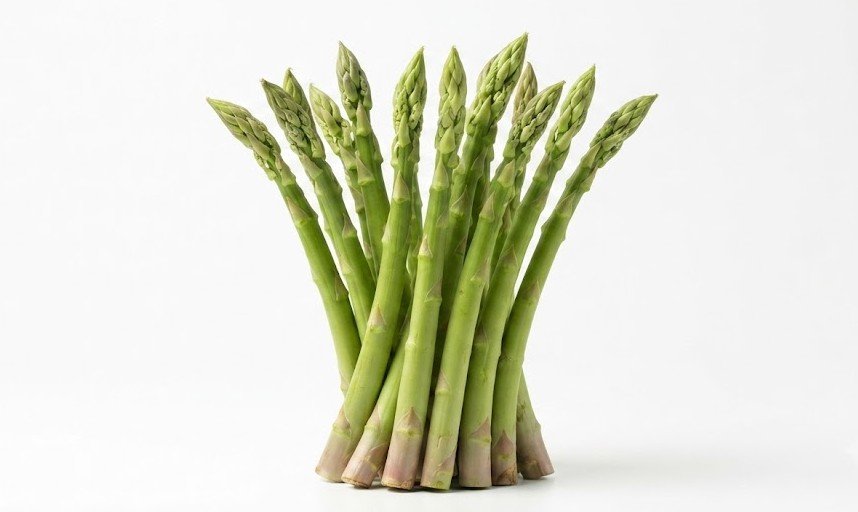
Asparagus (Asparagus officinalis), also known as garden asparagus, is a perennial flowering plant belonging to the asparagus family (Asparagaceae). It is native to the coasts of Western Europe, the Mediterranean, and Asia Minor. Consequently, it has served traditional cuisines and herbalism for millennia. Its tender young shoots and green, purple, or white spears house the active phytochemicals.
A single serving of the fresh spears delivers concentrated micronutrients, prebiotic compounds, and sulfur constituents rather than heavy macronutrients. Active plant compounds like inulin, saponins, and various flavonoids drive its distinct therapeutic activity and antioxidant properties.
How Asparagus Supports Health and Disease Prevention
Digestive Wellness and Prebiotic Support
Gastrointestinal health and regularity rely heavily on non-digestible dietary fibers and beneficial gut microbes.
-
The Mechanism: High concentrations of inulin, a soluble prebiotic fiber, pass through the upper digestive tract undigested to nourish beneficial colon bacteria selectively.
-
The Research: Gastrointestinal evaluations demonstrate that regular consumption of prebiotic-rich spears supports a balanced microbiome and promotes optimal digestive function.
Urinary Tract Support and Natural Diuresis
Renal health and fluid balance depend heavily on natural compounds that encourage gentle urinary flow.
-
The Mechanism: Unique amino acid derivatives and active saponins stimulate mild renal activity, helping flush excess fluids and metabolic waste from the system.
-
The Research: Nutritional science confirms that traditional diuretic properties help support overall urinary tract wellness and maintain healthy fluid balance.
Cellular Defense and Antioxidant Protection
Cellular longevity and internal defense depend heavily on protection against oxidative stress and free-radical damage.
-
The Mechanism: Abundant vitamin E, vitamin C, and diverse polyphenols neutralize harmful reactive oxygen species across delicate tissues.
-
The Research: Biochemical assessments show that regular dietary intake of antioxidant-rich green spears provides robust protection against cellular wear and tear.
Cardiovascular Health and Blood Vessel Function
Heart wellness and circulatory efficiency rely heavily on maintaining arterial elasticity and regulating homocysteine levels.
-
The Mechanism: Exceptional concentrations of folate and potassium work synergistically. Specifically, they help regulate blood pressure and support healthy circulatory pathways.
-
The Research: Nutritional evaluations indicate that maintaining adequate folate intake correlates strongly with long-term cardiovascular health.
How to Add Asparagus to Your Diet
The therapeutic green is versatile, functioning as a crisp, tender culinary addition to diverse home-cooked dishes:
-
Roasted with olive oil and garlic: Toss trimmed spears in healthy fats and roast them at moderate temperatures until tender and slightly caramelized.
-
Steamed or blanched quickly: Cook young spears briefly in boiling water or steam baskets to preserve their vibrant color and water-soluble vitamins.
-
Sliced raw into spring salads: Shave raw spears thinly with a vegetable peeler to add a crisp, refreshing crunch to seasonal grain bowls.
-
Start moderately: Begin with standard culinary portions to allow your digestive system to adapt comfortably to the rich prebiotic fiber content.
Safety Considerations for Asparagus
The spring spear is remarkably safe for most individuals. However, specific physiological factors require attention:
-
Purine Content and Gout Awareness: Because the spears contain moderate levels of natural purines, individuals managing active gout flare-ups should monitor their intake.
-
The Sulfur Odor Phenomenon: Digestion of specific sulfur compounds produces volatile organic sulfur metabolites, causing a harmless and distinct urine odor in a significant portion of the population.
-
Vitamin K and Blood Thinner Interactions: Because the moderate vitamin K content can influence blood-clotting medications (such as warfarin), individuals on anticoagulants should maintain a consistent daily intake. Therefore, speak with a physician before changing dietary habits.
-
Gastrointestinal Adjustment: The rich prebiotic fiber content can cause mild digestive warmth or gas in individuals unaccustomed to fibrous spring vegetables.
The Bottom Line
The crisp spring spear backs up its culinary reputation with a solid research base. Specifically, it shines regarding digestive prebiotic support, urinary wellness, and antioxidant delivery. Distinguishing between proper daily portioning and understanding personal nutritional needs remains the biggest variable in enjoying it safely.
Done right, it makes a protective, therapeutic, and flavorful addition to a broader wellness lifestyle. It offers no standalone miracle cure. Yet, it remains one of the most versatile and nutrient-dense spring vegetables in the natural world