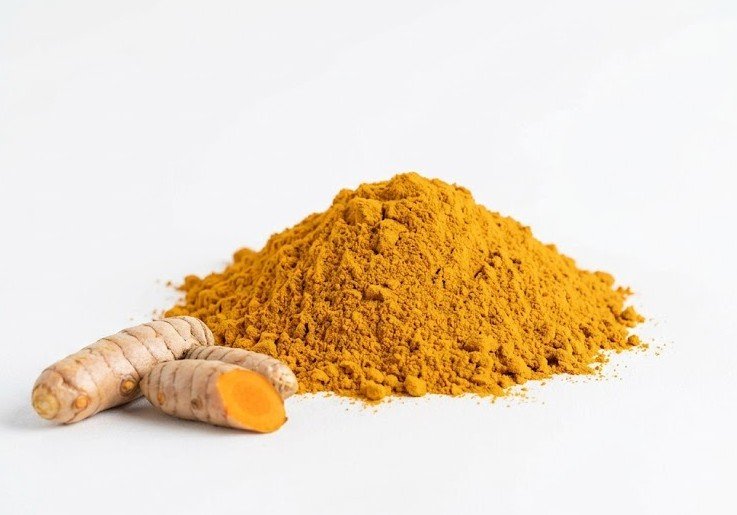

Turmeric is a highly nutrient-dense spice belonging to the ginger family (Zingiberaceae). Specifically, this perennial plant is grown globally for its bright orange, underground rhizomes (horizontal underground stems). This historic spice is widely celebrated for its intense anti-inflammatory properties and striking golden color. Additionally, it features a beautifully warm, earthy, and slightly bitter flavor profile. For this reason, it has become a foundational functional food staple in many international markets.
Originally, the plant was native to the tropical regions of South Asia. However, it was domesticated thousands of years ago during early agricultural periods. Later on, it spread rapidly across the globe through early maritime trade networks and spice routes. Today, it is grown extensively across India, China, and parts of Southeast Asia. Consequently, it is prized in comforting everyday curries, traditional golden milks, wellness teas, and modern therapeutic supplements.
Because it is packed with essential vitamins, active minerals, and a unique compound called curcumin, this root spice is highly valued. It offers incredible nutritional density alongside remarkable culinary versatility. Therefore, this comprehensive guide explores its history, nutritional profile, health benefits, traditional uses, cultivation methods, and practical ways to include it in your daily diet.
The History of Turmeric & Its Cultural Importance
This spice has a profound agricultural history rooted deeply in ancient tropical cultures. Over time, it spread across the globe through continuous migration and trade.
Turmeric Through the Ages
- Ancient Ayurvedic Traditions: Early human societies cultivated the wild variants around 2000 BCE in India. Specifically, this breakthrough provided a vital therapeutic tool for daily holistic healing systems.
- The Global Trade Routes: Traveling merchants distributed the dried roots along historic spice trails into China and the Mediterranean. Consequently, it quickly became a highly valued trade commodity across the old world.
- Modern Superfood Recognition: Global scientists highlighted its primary active compound, curcumin, in the late 20th century. As a result, it is heavily celebrated in contemporary joint health and longevity research.
- Worldwide Wellness Phenomenon: The plant evolved into one of the most popular functional spices globally. Therefore, it establishes itself as a premier everyday source of antioxidant defense for modern fitness tracking.
Botanical Description of Turmeric
Curcuma longa belongs to the Zingiberaceae family. For instance, it is closely related to other vital functional roots like ginger, cardamom, and galangal.
Plant Characteristics
- Growth: It grows naturally as an erect, leafy, perennial herbaceous plant. Usually, it reaches 1 meter in height and features thick, highly branched underground rhizomes.
- Leaves: The plant produces large, alternate, oblong green leaves. In addition, these leaves feature smooth margins and grow from a central sheath base.
- Flowers: It bears dense, compact flower spikes showing pale yellow or white blossoms. Typically, these blossoms emerge from green and white bracts on a central stalk.
- The Rhizome: It forms a rough, yellowish-brown outer skin layer when fully mature. Furthermore, slicing the internal flesh reveals a striking, brilliant orange-yellow color containing dense essential oils.
Growing Conditions
This plant is a tropical crop. Therefore, it requires warm seasonal temperatures and high humidity to develop maximum internal oils.
- Ideal Temperature: It prefers warm growing climates between 20–30°C for optimal rhizome extension. However, it is highly sensitive to cool drafts and frost.
- Soil Type: It thrives best in well-drained, loose sandy loam or alluvial soil rich in organic matter. On the other hand, it cannot tolerate waterlogged fields or heavy clay roots.
- Propagation: It is regularly grown from small rhizome pieces planted straight into field beds during early spring. Specifically, uniform moisture is essential during the primary germination phase.
- Harvesting Season: Farmers typically harvest it 7 to 9 months after planting. Specifically, they dig up the root when the large green leaves turn dry and yellow.
Nutritional Profile of Turmeric
This root spice is naturally dense in unique bioactive compounds. Furthermore, it contains high amounts of essential minerals, dietary fiber, and protective antioxidants. As a result, it is a favorite among active individuals and families seeking systemic defense.
Nutrients (Per 100g Ground Whole Spice Serving)
| Nutrient | Amount | Health Benefits |
| Energy | 312 kcal | Natural source of slow-releasing metabolic energy |
| Protein | 9.7g | Supplies foundational plant building blocks for cells |
| Dietary Fiber | 22.7g | Massive fiber volume supporting exceptional digestive tracking |
| Iron | 55.0mg | Massive mineral volume supporting healthy red blood cell production |
| Manganese | 20.8mg | Essential trace mineral supporting optimal bone metabolism |
| Potassium | 2080mg | Regulates healthy fluid balances and cardiovascular metrics |
| Vitamin B6 | 1.8mg | Vital for nerve function and cellular energy pathways |
Note: The primary therapeutic compound, curcumin, makes up about 3% of the dry weight of the spice, providing its major health advantages. (Source: USDA FoodData Central)
Turmeric Benefits for Your Everyday Health
1. Lowers Systemic Inflammation
Packed with massive concentrations of curcumin, it actively downregulates inflammatory cell pathways. Consequently, it assists the body in managing daily recovery and tissue stress effectively.
2. Provides Deep Antioxidant Defense
Features a high concentration of natural polyphenols. Because these specialized compounds neutralize free radicals, they help shield vascular cells from premature aging.
3. Supports Cardiovascular Wellness
Its natural curcumin content works efficiently with cellular enzymes. As a result, it assists the body in maintaining optimal, healthy endothelial lining functions.
4. Promotes Elite Joint Comfort
The abundant matrix of active volatile oils works closely with internal body systems. For example, it helps reduce chronic joint stiffness after intense exercise or manual labor.
5. Enhances Meals Naturally
Brings a rich, golden color, earthy aroma, and satisfying depth to hot family meals without introducing processed chemical colorings.
Traditional & Modern Culinary Uses for Turmeric
1. Traditional Golden Milk
First, whisk half a teaspoon of ground turmeric into a cup of warm almond milk. Then, add a pinch of black pepper and raw honey for a soothing nighttime beverage.
2. Everyday Aromatic Curries
Combining the golden powder with onions, garlic, cumin, and hot coconut oil yields a beautiful paste. As a result, you achieve a rich base perfect for vegetable stews.
3. Revitalizing Wellness Teas
Boiling fresh sliced rhizomes with lemon slices and ginger produces a clean beverage. Consequently, it acts as an excellent, antioxidant-rich daily tonic.
4. Nutritious Grain Seasonings
Stirring a teaspoon of the ground spice into your boiling quinoa or brown rice allows the kernels to absorb a beautiful color and earthy flavor.
How to Include Turmeric in Your Diet
- Daily Base Boost – Toss a quarter teaspoon of ground turmeric directly into your daily cooking oils.
- The Black Pepper Rule – Always pair turmeric with black pepper; specifically, the piperine in black pepper increases curcumin absorption by up to 2000 percent.
- Golden Morning Smoothies – Drop a small piece of fresh root directly into your blender for a bright antioxidant boost.
- Hearty Roasted Vegetables – Toss cubed cauliflowers and potatoes with olive oil, turmeric, and sea salt before baking.
- Nutritious Soup Booster – Add a teaspoon of the spice into your simmering split pea soups to enhance color.
Side Effects & Precautions
While safe and highly beneficial for the general population, certain precautions apply:
- Enormous therapeutic doses may cause mild temporary digestive changes or stomach discomfort in highly sensitive individuals.
- Absorption Note: Curcumin is fat-soluble; therefore, consuming it alongside healthy fats like olive oil or coconut oil is highly recommended.
- Individuals managing blood-thinning therapies should consult their physician before taking high-dose isolated curcumin supplements.
Ultimately, individuals seeking to maximize their daily wellness benefits should combine the spice with black pepper and healthy fats to protect their system. (Source: Wikipedia: Turmeric)
Conclusion
In summary, Curcuma longa is a nutrient-rich spice celebrated for its exceptional curcumin profile, anti-inflammatory defense, and unparalleled culinary utility. From simple everyday curries to modern golden milks and wellness teas, turmeric continues to reign as a vital foundational superfood across the earth. Whether eaten as a fresh root or a vibrant ground powder, it delivers fantastic life-giving value to a balanced lifestyle.
Therefore, start introducing whole or ground turmeric varieties into your weekly diet planning. Ultimately, you will enjoy its distinctively rich flavor and protective properties as part of a natural, healthy lifestyle.