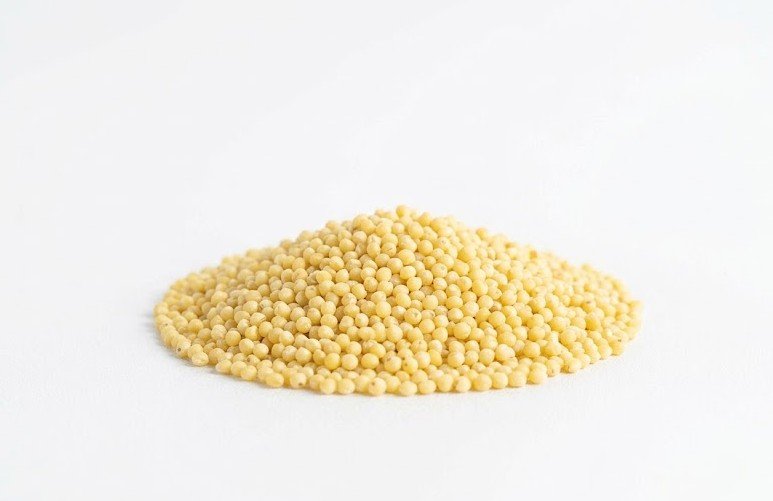

Millet is a highly nutrient-dense whole grain belonging to the grass family (Poaceae). Specifically, this small-seeded ancient crop is grown globally for its starchy, fiber-rich edible kernels. This unique grain is widely celebrated for its remarkable resilience against harsh, arid climates and extreme drought. Additionally, it features a beautifully mild, nutty, and slightly sweet flavor profile. For this reason, it has become a foundational health staple in many international markets.
Originally, the grain was native to the sub-Saharan regions of West Africa. However, it was domesticated over five thousand years ago during early agricultural expansions. Later on, it spread rapidly across Asia and Europe through ancient trade routes and migration networks. Today, it is grown extensively across Africa, India, and parts of North America. Consequently, it is prized in nutritious breakfast porridges, fluffy grain bowls, flatbreads, and modern gluten-free baking blends.
Because it is packed with complex carbohydrates, dietary fiber, essential magnesium, and active antioxidants, this ancient grain is highly valued by international nutritionists. It offers incredible nutritional density alongside remarkable culinary versatility. Therefore, this comprehensive guide explores its history, nutritional profile, health benefits, traditional uses, cultivation methods, and practical ways to include it in your daily diet.
The History of Millet & Its Cultural Importance
This grain has a monumental agricultural history rooted deeply in dry, tropical climates. Over time, it spread across the globe through continuous migration and trade.
Millet Through the Ages
- Ancient African Domestication: Early human societies domesticated wild variants along the Sahel region around 3000 BCE. Specifically, this breakthrough provided a highly reliable food foundation capable of surviving erratic seasonal rains.
- The Eurasian Spread: Traveling merchants distributed the seeds along early nomadic trade routes into Asia. Consequently, it became a primary dietary staple in northern China long before rice cultivation expanded.
- The Global Resurgence: The Food and Agriculture Organization championed these resilient plants to counter global food insecurity. Therefore, international awareness skyrocketed due to its low water usage metrics.
- Modern Superfood Status: The plant evolved into one of the most praised functional grains globally. As a result, it is heavily celebrated in contemporary gluten-free and sustainable agricultural research.
Botanical Description of Millet
Pennisetum glaucum belongs to the Poaceae family. For instance, it is closely related to other resilient cereal crops like sorghum, corn, and wild grasses.
Plant Characteristics
- Growth: It grows naturally as an erect, robust annual cereal grass plant. Usually, it reaches 1.5 to 3 meters in height and features thick, solid green stems.
- Leaves: The plant produces long, flat, lanceolate green leaves. In addition, these leaves feature finely serrated margins and wrap securely around the main stalk.
- Inflorescence: It bears a dense, compact, cylindrical terminal spike resembling a cattail. Typically, this rigid structure holds thousands of small spikelets packed closely together.
- The Grain: It forms a tiny, round, ovoid seed measuring only 2 to 3 millimeters in diameter. Furthermore, these kernels vary in color from pale yellow and grey to deep white, encased in a hard protective outer layer.
Growing Conditions
This grain is an exceptionally drought-tolerant crop. Therefore, it requires minimal moisture and can thrive in poor, sandy soils where true cereal grains like wheat fail completely.
- Ideal Temperature: It prefers warm growing climates between 25–35°C for optimal seed development. However, it is highly sensitive to early seasonal frosts and extended cold periods.
- Soil Type: It thrives best in well-drained, loose sandy loam or light soils. On the other hand, it cannot tolerate waterlogged fields or heavy, compacted clay roots.
- Propagation: It is regularly grown from seeds sown directly into open field beds during early summer. Specifically, its deep root structure allows it to extract moisture from deep underground layers during dry spells.
- Harvesting Season: Farmers typically harvest it 3 to 4 months after planting. Specifically, they cut the rigid seed heads when the kernels turn completely firm and dry.
Nutritional Profile of Millet
This grain is naturally dense in slow-digesting energy sources. Furthermore, it contains high amounts of unique dietary fiber, essential magnesium, and protective antioxidants. As a result, it is a favorite among active athletes and families seeking sustained stamina.
Nutrients (Per 100g Raw Whole Serving)
| Nutrient | Amount | Health Benefits |
| Energy | 378 kcal | Sustainable source of clean, slow-releasing carbohydrate energy |
| Protein | 11.0g | Supplies trace structural plant protein building blocks for cells |
| Dietary Fiber | 8.5g | High fiber volume supporting healthy gastrointestinal tracking |
| Magnesium | 114mg | Supports deep muscle relaxation and nervous system health |
| Phosphorus | 285mg | Crucial mineral for structural integrity of bone tissue |
| Iron | 3.0mg | Essential mineral supporting healthy red blood cell production |
| Zinc | 1.7mg | Crucial trace mineral for robust immune cellular defense systems |
Note: It naturally displays a highly favorable amino acid balance, containing notable amounts of tryptophan and methionine compared to other grains. (Source: USDA FoodData Central)
Millet Benefits for Your Everyday Health
1. Completely Gluten-Free by Nature
Because it contains no gluten proteins, it is completely safe for sensitive individuals. Consequently, it serves as a highly nutritious alternative for individuals managing celiac disease.
2. Supports Stable Blood Sugar Management
Features a low glycemic response profile alongside complex carbohydrate structures. Because these break down gradually into the bloodstream, it helps avoid rapid insulin spikes.
3. Promotes Elite Digestive Health
Boasting over 8 grams of dietary fiber per serving, the whole grain encourages consistent bowel motility. In addition, it provides excellent prebiotic nourishment for helpful gut microbes.
4. Supports Cardiovascular Wellness
The abundant dietary fiber works in perfect synergy with internal magnesium. As a result, it assists the body in maintaining optimal, healthy blood pressure curves and cholesterol metrics.
5. Provides Deep Antioxidant Defense
Contains notable amounts of phenolic compounds like ferulic acid. Specifically, these specialized compounds help protect vascular cells from acute oxidative stress and local inflammation.
6. Supports Healthy Weight Management
Because the high fiber and complex carbohydrate matrix slows down digestion, it keeps you feeling full. Therefore, it naturally reduces the urge to overeat between daily meals.
7. Enhances Meals Naturally
Brings a light, fluffy texture, unique nutty depth, and satisfying crunch to daily home cooking without introducing heavy starches.
Traditional & Modern Culinary Uses for Millet
1. Fluffy Substitute for Rice
First, toast the dry grains in a pan until they become highly aromatic. Then, boil in water using a one-to-two ratio until the kernels absorb the moisture completely into a fluffy base.
2. Wholesome Morning Porridge
Simmering the grains slowly with a surplus of almond milk and cinnamon creates a comforting dish. Consequently, you achieve a thick, slow-digesting alternative to traditional oats.
3. Nutritious Flatbreads and Baking
Grinding the dry grains yields a smooth, versatile, gluten-free flour. As a result, you can incorporate it into clean flatbreads or use it to enrich gluten-free baking blends.
4. Vibrant Grain salads
Tossing cooled, cooked grains with fresh cucumbers, cherry tomatoes, and a light dressing allows you to pack a dense, macro-balanced lunch.
How to Include Millet in Your Diet
- Daily Base Swap – Replace white rice or refined couscous completely with fluffy cooked whole millet.
- Nutritious Morning Porridge – Simmer whole grains with coconut milk, chopped almonds, and fresh berries.
- Gluten-Free Home Baking – Substitute a portion of standard flour with millet flour when making rustic breads.
- Vibrant Power Salads – Mix cold cooked grains with roasted root vegetables, parsley, and olive oil.
- Crunchy Granola Toppers – Toast raw grains briefly with seeds and honey to scatter over morning yogurt bowls.
Side Effects & Precautions
While safe and highly beneficial for the general population, certain precautions apply:
- Mild temporary gas or abdominal shifting may manifest if massive quantities are introduced suddenly to a low-fiber diet.
- Goitrogen Considerations: It contains small amounts of naturally occurring goitrogens; therefore, individuals managing severe hypothyroidism should enjoy it in moderate, balanced quantities.
- Whole grains require proper cooking to avoid a dense, gritty texture; consequently, soaking for 30 minutes before boiling is highly recommended.
Ultimately, individuals seeking to maximize their daily health advantages must prioritize whole millet over highly refined commercial cereal flakes to protect their system. (Source: Wikipedia: Millet)
Conclusion
In summary, Pennisetum glaucum is a nutrient-rich whole grain celebrated for its exceptional gluten-free profile, climate resilience, and unparalleled culinary utility. From simple everyday fluffed side dishes to modern morning porridges and rustic flatbreads, millet continues to reign as a vital foundational food across the earth. Whether eaten as a whole grain or a versatile flour, it delivers fantastic life-giving value to a balanced lifestyle.
Therefore, start introducing whole millet varieties into your weekly diet planning. Ultimately, you will enjoy its distinctively rich flavor and protective properties as part of a natural, healthy lifestyle.