
Spirulina has built a loyal following among astronauts, athletes, and everyday wellness fans alike. This blue green algae packs an unusual amount of nutrition into a tiny serving. It also carries a research record that goes well beyond typical superfood hype.
Let’s look at what spirulina can genuinely do for disease prevention. We’ll also cover where the science still needs more human trials, and how to buy it safely.
What Is Spirulina?
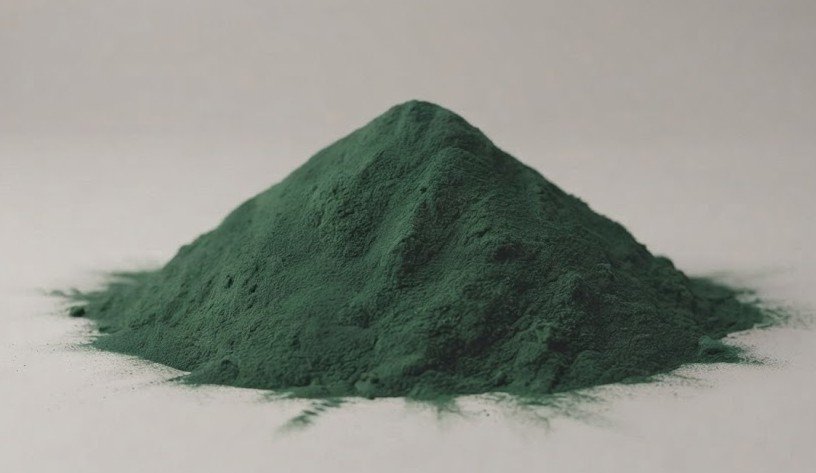
Spirulina is a cyanobacterium, a type of blue green algae. Its scientific name is Arthrospira platensis. It grows naturally in warm, alkaline freshwater lakes. Producers now cultivate it worldwide as a nutritional supplement.
A single tablespoon of the dried powder packs in protein, B vitamins, iron, and antioxidant plant compounds. It does this for about 20 calories. It also contains phycocyanin, the blue green pigment behind much of its antioxidant and anti-inflammatory activity. The FDA classifies it as generally recognized as safe.
How Spirulina Supports Disease Prevention
1. Heart Health
Spirulina shows some of its most consistent results here. Research links regular intake to improved cholesterol levels, reduced body fat, and lower systolic blood pressure. A review of five studies found that one to eight grams daily significantly reduced both systolic and diastolic blood pressure. This effect showed up especially in people who already had hypertension. Scientists believe increased nitric oxide production drives much of this benefit. Nitric oxide helps blood vessels relax and dilate.
2. Antioxidant and Anti-inflammatory Protection
Phycocyanin and other antioxidant compounds in this algae neutralize free radicals and calm chronic inflammation. This matters because inflammation drives plaque formation in arteries. It also contributes to a wide range of chronic diseases. Researchers point to this antioxidant activity as one reason astronauts use it, since space travel itself raises inflammation in the body.
3. Blood Sugar and Metabolic Support
This supplementation appears to reduce body weight, body mass index, and waist circumference. Research suggests this effect may be dose dependent. It also shows promise for cardiometabolic risk factors more broadly, including glucose metabolism and lipid profiles. Researchers still need to pin down the ideal dose. Even so, the existing evidence points toward genuine metabolic benefits, not just marketing claims.
4. Brain Health
It may offer real neuroprotective potential. Animal research shows it can reduce oxidative stress and neuroinflammation in the brain. Some studies suggest it may support cognitive function as people age. Early evidence points to possible benefits for conditions like Alzheimer’s and Parkinson’s disease. Researchers still need much more human data before drawing firm conclusions. Scientists have also studied spirulina as a way to reduce mental fatigue and protect blood vessels in the brain.
5. Immune System Support
Human studies show it can boost antibody production, which helps the body fight off infection. This immune boosting effect cuts both ways. It also means people with autoimmune conditions should approach it with caution rather than enthusiasm. For otherwise healthy people, though, this immune support may help reduce the frequency or severity of common infections.
6. Allergy Relief
If pollen, ragweed, or pet allergies bother you, this algae might help. Research shows regular use may ease symptoms of allergic rhinitis, including runny nose and congestion. Scientists believe its anti-inflammatory properties help calm the exaggerated immune response behind allergy symptoms.
7. Early Cancer Prevention Research
This counts as one of the more striking areas of its research, even though it remains far from settled. A landmark 1995 trial in India gave spirulina to tobacco chewers with precancerous oral lesions. Complete regression occurred in 45 percent of the spirulina group. Only 7 percent of the placebo group saw the same result. Small early stage trials have also explored spirulina compounds in pancreatic and colon cancer research. These results are genuinely promising, but they come from a small number of trials. It is not a cancer treatment, and nobody should treat it as one.
How to Add Spirulina to Your Diet
This algae works well in several forms:
- Powder in smoothies. Start with half a teaspoon and build up gradually. The flavor is strong and earthy.
- Capsules or tablets. A convenient, flavor free option if you don’t enjoy the taste.
- Mixed into juice or water. Whisk it in well, since it doesn’t dissolve completely on its own.
- Start low and increase slowly. Most research uses one to eight grams daily. A gradual ramp up helps you avoid digestive discomfort.
Safety Considerations
The algae itself has an excellent safety record. Sourcing and individual health conditions matter a great deal, though:
- Contamination is the real risk, not the algae. When grown in open ponds, it can absorb heavy metals like lead, mercury, and arsenic. It can also pick up toxins called microcystins from contaminating organisms. Always choose a brand that provides third party testing for both heavy metals and microcystins.
- Autoimmune conditions need caution. It stimulates immune activity. People with lupus, multiple sclerosis, rheumatoid arthritis, or similar conditions should talk to a doctor before use.
- Allergy risk exists, especially with seafood or iodine allergies. Most reactions stay mild, like itching or rash. Rare severe reactions have been reported. Start with a small amount if you have known allergies.
- PKU requires avoidance. It naturally contains phenylalanine, which people with phenylketonuria need to avoid.
- Blood thinners and other medications. It may extend bleeding time and can interact with certain drugs. Check with your doctor if you take anticoagulants or other prescription medications.
- Pregnancy and breastfeeding. Human safety data remains limited. Consult a healthcare provider before regular use.
The Bottom Line
Spirulina backs up its superfood reputation with a genuinely strong research base. This holds especially true for heart health, antioxidant protection, and metabolic support. Some of its most exciting findings, like the oral cancer trial, deserve real attention. They still need far more research before anyone treats them as proven treatments. The biggest variable in spirulina’s safety isn’t the algae itself. It’s where and how it’s grown. Choose a tested, reputable brand and start with a modest dose. Check with a doctor if you manage an autoimmune condition or take regular medication.
Done right, it makes a low cost, nutrient dense addition to a broader disease prevention lifestyle. It’s not a miracle cure standing alone.