
Dandelion boasts a loyal following among herbalists, foragers, and wellness fans alike. This resilient yellow wildflower packs powerful antioxidant, diuretic, and anti-inflammatory compounds into every serving. Research supports its health benefits far beyond typical lawn-weed hype.
Let us examine what this plant genuinely achieves for liver health, digestion, and disease prevention. We will also cover areas where science needs more human trials and how to consume it safely.
What Is Dandelion?
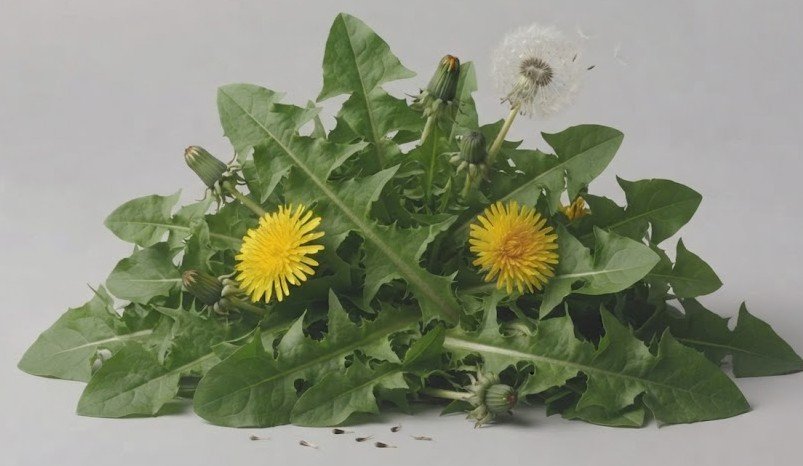
Dandelion (Taraxacum officinale), a member of the daisy family (Asteraceae), is native to Eurasia and North America. Far from being a simple nuisance in the garden, every part of the plant—roots, leaves, and flowers—has served traditional medicine and culinary traditions for centuries.
A single serving of the greens or roots delivers vitamins A, C, and K, alongside calcium, iron, magnesium, and potassium. Active plant compounds like taraxasterol, inulin, and various polyphenols create its earthy, slightly bitter flavor and drive its medicinal activity.
How Dandelion Supports Health and Disease Prevention
Liver Health and Natural Detoxification
This stands as the herb’s most famous and well-researched benefit, particularly regarding hepatic function and bile flow.
-
The Mechanism: Dandelion compounds stimulate bile production in the liver, which aids in fat digestion and helps the body eliminate toxins efficiently. It also exhibits strong antioxidant activity that protects liver cells from oxidative stress.
-
The Research: Animal and early human studies demonstrate that root extracts significantly improve liver enzyme markers, reduce fat accumulation in liver tissue, and support recovery from metabolic stress.
Digestive Support and Gut Health
Long before modern digestive aids existed, people used the bitter greens and roots to stimulate appetite and soothe the gut.
-
The Mechanism: The root contains high amounts of inulin, a soluble prebiotic fiber that nourishes beneficial gut bacteria. Furthermore, the bitter compounds stimulate gastric juices to enhance overall digestion.
-
The Research: Clinical observations show that regular intake of prebiotic fiber supports a balanced microbiome, improves bowel regularity, and strengthens the intestinal barrier.
Natural Diuretic and Fluid Balance
Dandelion has earned a legendary reputation as a gentle diuretic, traditionally known by its French name pissenlit.
-
The Mechanism: Unlike pharmaceutical diuretics that strip the body of vital minerals, dandelion leaves are naturally rich in potassium, replenishing what is lost through increased urination.
-
The Research: Clinical trials confirm that consuming leaf extracts significantly increases urinary frequency and volume, helping the body reduce mild water retention and bloating safely.
Powerful Antioxidant and Anti-inflammatory Protection
Oxidative stress drives cellular aging and contributes to chronic conditions ranging from metabolic dysfunction to cardiovascular disease.
-
The Mechanism: The entire plant is packed with beta-carotene and polyphenols that neutralize harmful free radicals and suppress inflammatory pathways in the body.
-
The Research: Regular intake bolsters internal antioxidant defenses, protecting cellular structures and vascular walls from oxidative damage over time.
Blood Sugar and Metabolic Support
Emerging metabolic research points toward the botanical as a supportive ally for maintaining healthy blood glucose levels.
-
The Mechanism: Bioactive compounds in the plant help improve insulin sensitivity and support pancreatic function in regulating glucose metabolism.
-
The Research: Animal and laboratory studies suggest that consistent consumption of leaf and root extracts can help lower fasting blood sugar and improve lipid profiles.
Skin Health and Cleansing Support
Because skin health reflects internal systemic balance, purifying herbs often provide dermatological benefits.
-
The Mechanism: By enhancing internal elimination pathways and lowering systemic inflammation, the botanical helps clear oxidative burdens that manifest as blemishes or irritation.
-
The Research: Traditional and early clinical applications indicate that topical and oral preparations can help soothe inflammatory skin conditions and improve overall radiance.
How to Add Dandelion to Your Diet
The plant is versatile and fits easily into daily wellness routines:
-
As a tea: Steep roasted dandelion root in hot water for 10 to 15 minutes to create a rich, coffee-like, earthy herbal infusion.
-
As a salad green: Harvest young, tender dandelion leaves in early spring to toss into salads, where their pleasant bitterness balances sweet dressings.
-
As a cooked vegetable: Sauté mature greens in olive oil with garlic and lemon, much like spinach or kale, to mellow their pungent edge.
-
As an extract or supplement: Standardized capsules and liquid tinctures provide targeted liver and digestive support. Start moderately and follow product packaging guidelines.
Safety Considerations for Dandelion
The plant is remarkably safe for most individuals, but specific factors require attention:
-
Allergy Risks: Individuals with known sensitivities to plants in the Asteraceae family (such as ragweed, marigolds, daisies, or chrysanthemums) should exercise caution, as allergic reactions can occur.
-
Gallbladder and Duct Obstructions: Because the herb strongly stimulates bile flow, individuals with gallstones, bile duct blockages, or acute gallbladder inflammation should avoid it unless advised by a physician.
-
Diuretic Medications: Because the plant acts as a natural diuretic, taking it alongside prescription water pills can increase the risk of dehydration or electrolyte imbalances.
-
Pregnancy and Breastfeeding: Human safety data remains limited for concentrated therapeutic doses. Pregnant and breastfeeding individuals should stick strictly to normal culinary amounts or consult a healthcare provider.
The Bottom Line
The resilient wildflower backs up its reputation with a strong research base, especially regarding liver support, gentle diuresis, and digestive health. Distinguishing between general culinary use and concentrated therapeutic supplements remains the biggest variable in enjoying it.
Done right, it makes a protective, low-risk, and therapeutic addition to a broader disease prevention lifestyle. It offers no standalone miracle cure, but it remains one of the most powerful and scientifically validated wild herbs in nature.