
Milk thistle boasts a loyal following among herbalists, wellness fans, and individuals seeking natural liver support alike. This striking prickly plant packs powerful antioxidant and anti-inflammatory compounds into every serving. Research supports its health benefits far beyond typical herbal hype.
Let us examine what this plant genuinely achieves for liver health, detoxification, and disease prevention. We will also cover areas where science needs more human trials and how to consume it safely.
What Is Milk Thistle?
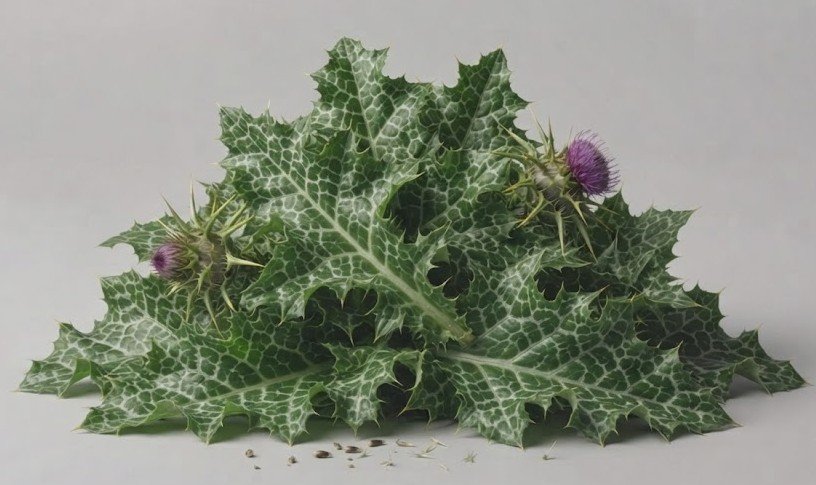
Milk thistle (Silybum marianum), also known as Mary thistle or holy thistle, belongs to the daisy family (Asteraceae). It is native to the Mediterranean region and has served traditional medicine for over two thousand years. Its distinctive spiny leaves feature milky-white veins, which inspired its common name.
The medicinal power of the plant concentrates primarily in its seeds. These seeds contain a complex mixture of active flavonolignans collectively known as silymarin. Silymarin—featuring its most active and studied component, silybin—drives the antioxidant, anti-inflammatory, and cell-protecting activity of the herb.
How Milk Thistle Supports Health and Disease Prevention
Liver Health and Detoxification Using Milk Thistle
This stands as the herb’s most famous and well-researched benefit, particularly regarding hepatic protection and recovery.
-
The Mechanism: Silymarin stabilizes cell membranes in liver cells, preventing toxins from entering. It also stimulates protein synthesis, which accelerates the regeneration and repair of damaged liver tissue.
-
The Research: Clinical studies demonstrate that standardized extracts significantly improve liver enzyme levels, reduce inflammation, and support recovery in individuals dealing with non-alcoholic fatty liver disease (NAFLD), alcoholic liver disease, and drug-induced liver toxicity.
Powerful Antioxidant and Anti-inflammatory Protection
Oxidative stress drives cellular aging and contributes to chronic conditions ranging from metabolic dysfunction to neurodegeneration.
-
The Mechanism: Active compounds scavenge harmful free radicals and inhibit lipid peroxidation, a process that damages cell membranes throughout the body.
-
The Research: Regular intake bolsters internal antioxidant defenses, protecting vital organs and cellular structures from oxidative damage over time.
Blood Sugar and Metabolic Support
Emerging metabolic research points toward the botanical as a supportive ally for maintaining healthy blood glucose levels.
-
The Mechanism: Certain active compounds improve insulin sensitivity and help regulate glucose metabolism, often working synergistically with conventional diabetes therapies.
-
The Research: Clinical trials involving individuals with type 2 diabetes show that consistent supplementation can significantly lower fasting blood glucose, HbA1c levels, and improve overall lipid profiles.
Cholesterol and Cardiovascular Health
Cardiovascular wellness links directly to the anti-inflammatory and metabolic-regulating properties of the herb.
-
The Mechanism: Extracts help reduce systemic inflammation and support healthy lipid processing in the liver, helping to maintain favorable cholesterol ratios.
-
The Research: Clinical observations indicate that regular consumption helps lower total cholesterol, reduce triglycerides, and protect against arterial stress.
Brain Health and Cognitive Support
Emerging research highlights potential neuroprotective effects stemming from the plant’s potent antioxidant properties.
-
The Mechanism: Active flavonolignans cross the blood-brain barrier to reduce oxidative stress and neuroinflammation, helping to prevent the buildup of amyloid-beta plaques associated with cognitive decline.
-
The Research: Animal and early human studies suggest that regular supplementation may support memory retention and help protect against age-related neurodegenerative conditions.
Skin Health and Cleansing Support
Because skin health reflects internal systemic balance, liver-supporting herbs often provide dermatological benefits.
-
The Mechanism: By enhancing internal detoxification pathways and lowering systemic inflammation, the botanical helps clear oxidative burdens that manifest as blemishes or premature skin aging.
-
The Research: Studies indicate that topical and oral applications can help soothe inflammatory skin conditions and improve overall radiance.
How to Add Milk Thistle to Your Diet
The plant is versatile and fits easily into daily wellness routines:
-
As a standardized extract capsule: The most reliable way to consume therapeutic doses of silymarin. Look for products standardized to contain 70–80% silymarin.
-
As a tea: Steep crushed seeds in hot water for 10 to 15 minutes to create a mild, earthy herbal infusion, though extraction rates for silymarin remain lower in water than in alcohol or concentrated supplements.
-
As a liquid tincture: Alcohol-based extracts offer rapid absorption and easy dosage adjustment.
-
Start moderately: Follow product packaging or medical guidelines, as therapeutic doses typically range from 140 mg to 200 mg of standardized silymarin taken two to three times daily.
Safety Considerations for Milk Thistle
The plant is remarkably safe for most individuals, but specific factors require attention:
-
Allergy Risks: Individuals with known sensitivities to plants in the Asteraceae family (such as ragweed, marigolds, daisies, or chrysanthemums) should exercise caution, as allergic reactions can occur.
-
Pregnancy and Breastfeeding: Human safety data remains limited for concentrated therapeutic doses. Pregnant and breastfeeding individuals should consult a healthcare provider before use.
-
Blood Sugar Medications: Because active compounds help lower blood sugar, individuals taking diabetes medications must monitor glucose levels closely to prevent hypoglycemia.
-
Liver Medication Interactions: Because the herb processes through liver enzyme pathways, it may alter how the body metabolizes certain prescription drugs. Consult a physician if you take regular medications.
The Bottom Line
The evergreen plant backs up its legendary reputation with a strong research base, especially regarding liver regeneration, detoxification, and metabolic support. Distinguishing between general culinary herbs and concentrated therapeutic supplements remains the biggest variable in enjoying it.
Done right, it makes a protective, low-risk, and therapeutic addition to a broader disease prevention lifestyle. It offers no standalone miracle cure, but it remains one of the most powerful and scientifically validated herbs for long-term vitality.