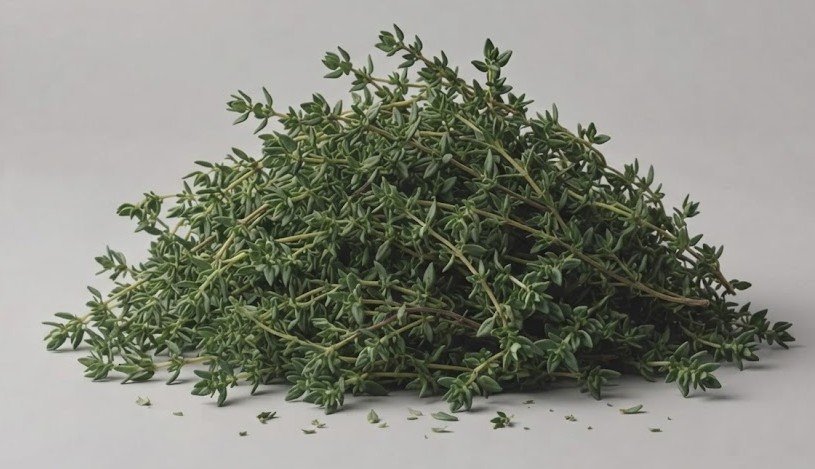

Thyme boasts a loyal following among chefs, herbalists, and wellness fans alike. This aromatic evergreen herb packs powerful antioxidants and antimicrobial compounds into every small serving. Research supports its health benefits far beyond typical kitchen-spice hype.
Let us examine what this plant genuinely achieves for immune support, respiratory health, and disease prevention. We will also cover areas where science needs more human trials and how to consume it safely.
What Is Thyme?
Thyme (Thymus vulgaris) belongs to the mint family (Lamiaceae). It is native to the Mediterranean region and has served traditional medicine and cooking for thousands of years. Its tiny, fragrant leaves contain essential oils, volatile compounds, and potent polyphenols.
A single serving—fresh, dried, or brewed as tea—delivers vitamins C and A, alongside iron, manganese, and fiber. Active plant compounds like thymol, carvacrol, and rosmarinic acid create its earthy, pungent aroma and drive its medicinal activity.
How Thyme Supports Health and Disease Prevention
Respiratory Health and Cough Relief Using Thyme
This stands as the herb’s most famous and well-researched benefit, particularly regarding upper respiratory infections.
-
The Mechanism: Essential oils like thymol possess natural spasmodic and bronchodilatory properties. They help relax airway muscles and clear mucus buildup from the lungs.
-
The Research: Clinical studies demonstrate that combining thyme extract with ivy leaves significantly reduces coughing frequency and shortens recovery time for acute bronchitis and respiratory inflammation.
Powerful Antimicrobial and Immune Defense
Long before modern antibiotics existed, people used this botanical to prevent spoilage and treat infections.
-
The Mechanism: Thymol and carvacrol exhibit broad-spectrum antimicrobial activity. They disrupt the cell membranes of harmful bacteria, fungi, and viruses.
-
The Research: Laboratory trials show that herbal extracts can effectively neutralize antibiotic-resistant bacteria strains, supporting the body’s natural defense against seasonal pathogens.
Antioxidant Protection and Cellular Health
Oxidative stress drives cellular aging and contributes to chronic conditions ranging from heart disease to neurodegeneration.
-
The Mechanism: The leaves contain exceptionally high levels of phenolic antioxidants. These compounds neutralize harmful free radicals and suppress inflammatory pathways in the body.
-
The Research: Regular intake bolsters internal antioxidant defenses, protecting cellular structures from oxidative damage over time.
Blood Pressure and Cardiovascular Support
Cardiovascular wellness links directly to the anti-inflammatory and vascular-relaxing properties of culinary herbs.
-
The Mechanism: Extracts help dilate blood vessels, reduce heart rate under stress, and improve blood lipid profiles.
-
The Research: Animal and early human observations show that consistent consumption helps lower blood pressure, reduce triglycerides, and protect against heart strain.
Skin Health and Natural Blemish Control
Topical applications leverage the botanical’s powerful purifying qualities for dermatological wellness.
-
The Mechanism: Natural antibacterial compounds target acne-causing bacteria more gently than harsh chemical alternatives.
-
The Research: Dermatological studies indicate that herbal tinctures or infused oils can significantly reduce inflammatory acne lesions when applied topically.
Mood Regulation and Mental Well-being
Emerging aromatherapy and dietary research point toward the aromatic green as a mood-supportive plant.
-
The Mechanism: Compounds like carvacrol influence neurotransmitter activity in the brain, positively affecting feelings of well-being and vitality.
-
The Research: Early studies suggest that regular exposure to its active essential oils can help reduce mental fatigue and promote a calm, focused mindset.
How to Add Thyme to Your Diet
The herb is versatile and fits easily into daily routines:
-
As a culinary herb: Add fresh sprigs or dried leaves to roasted meats, soups, stews, marinades, and roasted root vegetables. It pairs wonderfully with garlic, lemon, and olive oil.
-
As a tea: Steep fresh or dried foliage in hot water for 5 to 10 minutes to create a soothing, aromatic herbal infusion for sore throats.
-
As an extract or supplement: Standardized syrups, tinctures, and lozenges provide targeted respiratory and immune support during cold season.
-
Start moderately: Culinary amounts remain completely safe for daily use. Consumers should follow product or medical guidelines for concentrated essential oils or extracts.
Safety Considerations for Thyme
The plant is remarkably safe when used as a food seasoning, but specific factors require attention:
-
Essential Oil Toxicity: Concentrated thyme essential oil is extremely potent and should never be ingested undiluted, as it can cause mucosal irritation or systemic toxicity. Topical application requires proper dilution with a carrier oil.
-
Pregnancy and Breastfeeding: Concentrated therapeutic doses may influence hormone levels or uterine contractions. Pregnant and breastfeeding individuals should avoid high-dose supplements and stick strictly to normal culinary amounts.
-
Bleeding Disorders: Because active compounds can slow blood clotting, individuals scheduled for surgery or taking anticoagulant medications should consult a physician before using concentrated extracts.
-
Allergy Risks: Individuals with known sensitivities to plants in the Lamiaceae family (such as mint, oregano, or basil) should exercise caution.
The Bottom Line
The evergreen plant backs up its culinary reputation with a strong research base, especially regarding respiratory relief, antimicrobial defense, and antioxidant protection. Distinguishing between safe culinary use and concentrated therapeutic supplements remains the biggest variable in enjoying it.
Done right, it makes a fragrant, low-calorie, and therapeutic addition to a broader disease prevention lifestyle. It offers no standalone miracle cure, but it remains one of the most powerful and scientifically validated herbs in the spice rack.