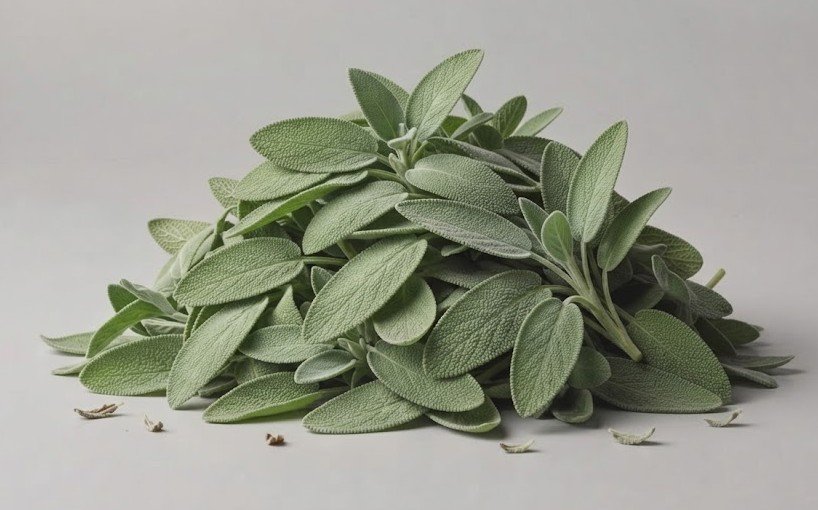

Sage an aromatic evergreen herb boasts a loyal following among chefs, herbalists, and wellness fans alike. Every small serving packs antioxidants and anti-inflammatory compounds. Research supports its benefits far beyond typical kitchen-spice hype.
Let us examine what this plant genuinely achieves for brain health and disease prevention. We will also cover areas where science needs more human trials and how to consume it safely.
What Is Sage?
Sage (Salvia officinalis) belongs to the mint family (Lamiaceae). It is native to the Mediterranean region and has served traditional medicine and cooking for centuries. Its silvery-green leaves contain essential oils, volatile compounds, and potent polyphenols.
A single serving—fresh, dried, or brewed as tea—delivers vitamins K, A, and E, alongside iron and magnesium. Active plant compounds like rosmarinic acid, camphor, and thujone create its earthy aroma and drive its medicinal activity.
How Sage Supports Health and Disease Prevention
Brain Health and Cognitive Support Through Sage
This stands as the herb’s most famous and well-researched benefit, particularly regarding memory and mental sharpness.
-
The Mechanism: Plant compounds help inhibit the breakdown of acetylcholine. This chemical messenger in the brain drives memory and learning. It also exhibits strong antioxidant and anti-inflammatory effects that protect neural pathways from oxidative stress.
-
The Research: Clinical studies show that short- and long-term supplementation with extracts significantly improves memory, attention span, and mood in healthy adults and individuals with mild-to-moderate cognitive impairment.
Powerful Antioxidant and Anti-inflammatory Protection
Oxidative stress drives cellular aging and contributes to chronic conditions ranging from heart disease to neurodegeneration.
-
The Mechanism: The leaves contain high levels of polyphenols—specifically rosmarinic acid and caffeic acid. These compounds neutralize harmful free radicals and suppress inflammatory pathways in the body.
-
The Research: Regular intake bolsters internal antioxidant defenses, protecting cellular structures from damage over time.
Oral Health and Natural Antimicrobial Defense Using Sage
Long before modern mouthwash existed, people used this remedy for dental hygiene.
-
The Mechanism: Active compounds possess strong antimicrobial properties. They neutralize cavity-causing bacteria and fungi like Streptococcus mutans and Candida albicans.
-
The Research: Clinical trials exploring herbal mouthwashes and throat sprays demonstrate significant reductions in plaque, soothe sore throats, and help heal mouth ulcers.
Menopausal Symptom Relief with Sage
The botanical maintains a long-standing reputation as a natural remedy for hormonal fluctuations, particularly hot flashes and night sweats.
-
The Mechanism: Phytochemicals mimic mild estrogenic activity. They help regulate body temperature control centers located in the brain.
-
The Research: Clinical studies involving menopausal women reveal that daily supplementation with fresh extract noticeably reduces the frequency and severity of hot flashes and excessive sweating.
Blood Sugar and Metabolic Support
Emerging metabolic research points toward the culinary green as a supportive herb for maintaining healthy blood glucose levels.
-
The Mechanism: Certain compounds improve insulin sensitivity. They also mimic insulin action by assisting in glucose clearance from the bloodstream.
-
The Research: Studies involving individuals with type 2 diabetes suggest that regular consumption of the leaf extract lowers fasting blood sugar, improves HbA1c levels, and betters lipid profiles.
Cholesterol and Heart Health
Cardiovascular wellness links directly to the antioxidant and anti-inflammatory properties of culinary herbs.
-
The Mechanism: Regular intake protects low-density lipoprotein (LDL) cholesterol from oxidation, which is a key step in arterial plaque buildup.
-
The Research: Clinical observations show that consistent consumption helps improve total cholesterol, lower triglycerides, and raise protective HDL cholesterol.
How to Add Sage to Your Diet
The herb is versatile and fits easily into daily routines:
-
As a culinary herb: Add fresh or dried leaves to roasted vegetables, soups, stews, and poultry dishes. It pairs wonderfully with butter, olive oil, and garlic.
-
As a tea: Steep fresh or dried foliage in hot water for 5 to 10 minutes to create a soothing, aromatic herbal infusion.
-
As an extract or supplement: Standardized capsules, tinctures, and mouthwashes provide targeted cognitive, menopausal, or oral health support.
-
Start moderately: Culinary amounts remain completely safe for daily use. Consumers should follow product or medical guidelines for concentrated extracts.
Safety Considerations for Sage
The plant is remarkably safe when used as a food seasoning, but specific factors require attention:
-
Thujone Content: Certain species, such as common Salvia officinalis, contain thujone. High doses or concentrated essential oil forms of thujone can prove toxic, potentially triggering seizures or rapid heart rates. Spanish variants (Salvia lavandulifolia) contain much lower thujone levels.
-
Pregnancy and Breastfeeding: Concentrated doses influence uterine contractions and suppress milk production. Pregnant and breastfeeding individuals should avoid therapeutic supplements and stick strictly to normal culinary amounts.
-
Blood Sugar Medications: The botanical helps lower blood sugar. Individuals taking diabetes medications must monitor glucose levels closely to prevent hypoglycemia.
-
Seizure Disorders: People with epilepsy or seizure disorders should avoid concentrated supplements due to thujone and camphor content.
The Bottom Line
The evergreen plant backs up its culinary reputation with a strong research base, especially regarding cognitive enhancement, memory support, and antioxidant protection. Distinguishing between safe culinary use and concentrated therapeutic supplements remains the biggest variable in enjoying it.
Done right, it makes a fragrant, low-calorie, and therapeutic addition to a broader disease prevention lifestyle. It offers no standalone miracle cure, but it remains one of the most powerful and scientifically validated herbs in the garden.