
Sauerkraut has built a loyal following among gut-health advocates, culinary traditionalists, and everyday wellness fans alike. This crisp, tangy fermented cabbage packs an exceptional amount of living probiotics, fiber, and vitamins into a small serving and carries a research record that goes well beyond typical food hype.
Let’s look at what sauerkraut can genuinely do for digestion and disease prevention, where the science still needs more human trials, and how to consume it safely.
What Is Sauerkraut?
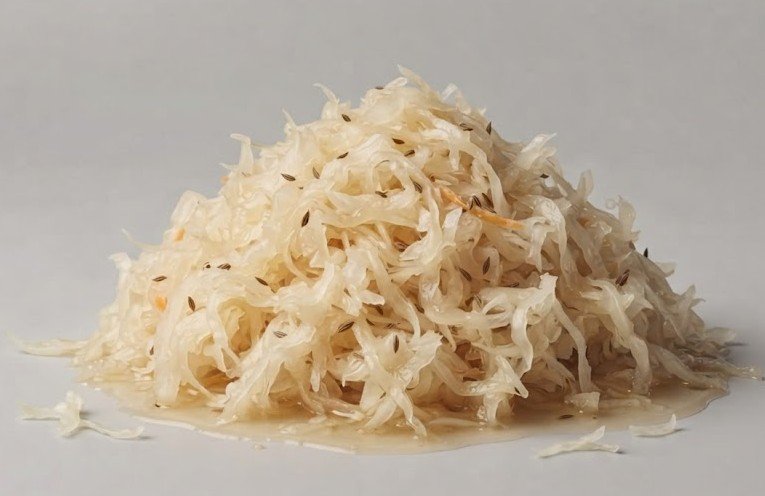
Sauerkraut—literally translating to “sour cabbage” in German—is a traditional side dish made by finely shredding raw cabbage and fermenting it with salt. The process relies on natural lactic acid bacteria (Lactobacillus, Leuconostoc, and Pediococcus) present naturally on the cabbage leaves. Without adding any water or vinegar, the salt draws out moisture to create a brine, allowing beneficial bacteria to thrive in an anaerobic environment.
A single serving delivers dietary fiber, plant-based protein, vitamins C and K, iron, and an impressive army of live probiotic strains. Because raw sauerkraut is never heated during traditional preparation, all its delicate enzymes and beneficial microbes remain entirely intact.
How Sauerkraut Supports Health and Disease Prevention
1. Advanced Gut Microbiome and Digestive Support
This stands as sauerkraut’s most famous and well-established benefit.
-
The Mechanism: The lacto-fermentation process populates the cabbage with diverse, hardy probiotic strains. These live microbes survive harsh stomach acid to colonize the gut temporarily, crowding out harmful pathogens, repairing the intestinal lining, and accelerating food transit time.
-
The Research: Regular consumption is linked to reduced bloating, smoother digestion, and enhanced recovery from antibiotic-induced gut disruptions.
2. Powerful Immune System Modulation
A vast majority of the human immune system resides in the gut, making sauerkraut a powerful daily ally for immune defense.
-
The Mechanism: Probiotics and organic acids produced during fermentation stimulate the production of antibodies, enhance white blood cell activity, and help regulate systemic inflammation.
-
The Research: Studies indicate that maintaining a diverse gut microbiome through fermented foods helps reduce the frequency and severity of common infections, seasonal bugs, and upper respiratory illnesses.
3. Heart Health and Cholesterol Management
Research increasingly highlights fermented cabbage’s positive impact on cardiovascular risk factors.
-
The Mechanism: Sauerkraut is rich in fiber, antioxidants, and a unique compound called vitamin K2, which helps prevent calcium deposits from building up in arterial walls. Furthermore, probiotics assist in breaking down bile acids, helping to regulate cholesterol levels.
-
The Research: Clinical and animal trials suggest that regular intake can help support healthy blood pressure ranges and improve overall lipid profiles.
4. Bone Health and Osteoporosis Prevention
Cabbage is already a nutritional champion for skeletal strength, and fermentation renders its nutrients even more bioavailable.
-
The Mechanism: The combination of vitamin K2, calcium, and magnesium works synergistically to direct calcium straight into bone matrix tissue rather than soft tissues.
-
The Research: Studies point to vitamin K2 as an essential nutrient for maintaining bone mineral density and reducing fracture risk as we age.
5. Metabolic Support and Weight Management
Fermented vegetables show genuine promise for supporting a healthy metabolic rate.
-
The Mechanism: The combination of high dietary fiber, very low calorie density, and live probiotics helps promote prolonged satiety, stabilize blood sugar spikes, and improve overall insulin sensitivity.
-
The Research: Clinical observations suggest that incorporating nutrient-dense, fiber-rich fermented foods into daily meals assists with natural weight management and supports metabolic health markers.
6. Mood Regulation and the Gut-Brain Axis
The connection between the microbiome and neurological well-being plays a major role in modern wellness science.
-
The Mechanism: Gut microbes synthesize and regulate critical neurotransmitters like serotonin and dopamine. By lowering systemic inflammation and gut permeability (“leaky gut”), a balanced microbiome protects neurological health.
-
The Research: Emerging animal and human studies indicate that probiotic-rich foods like sauerkraut may help alleviate symptoms of mild anxiety, support stress resilience, and enhance overall cognitive well-being.
How to Add Sauerkraut to Your Diet
Sauerkraut is remarkably versatile and fits easily into everyday meals:
-
Eaten raw as a side: Enjoy a forkful or two straight from the jar alongside grilled meats, grain bowls, or eggs. (Avoid cooking it if you want to preserve the live probiotics, as heat destroys them).
-
As a topping: Layer it onto burgers, hot dogs, avocado toast, or grain salads for an instant crunch and sharp tang.
-
In sandwiches: Add a generous crunch to a Reuben sandwich or grilled cheese.
-
Start low and increase slowly: If your digestive system isn’t used to high-probiotic foods, start with a single tablespoon daily and build up gradually to prevent temporary gas or bloating.
Safety Considerations
Sauerkraut is remarkably safe for most people, but specific factors matter:
-
High Sodium Content: Because salt is essential to the dry-salting fermentation process, traditional sauerkraut is high in sodium. Individuals monitoring their blood pressure or following strict low-sodium diets should keep portion sizes moderate.
-
Histamine Sensitivity: Because it is a fermented food, sauerkraut contains naturally occurring histamines. If you experience headaches, flushing, or congestion after eating aged foods, monitor your tolerance closely.
-
Digestive Adjustment: The sudden influx of live microbes and organic acids can cause mild, temporary cramping or bloating as your gut microbiome adapts.
-
Pasteurized vs. Unpasteurized: Commercial canned or jarred sauerkrauts are often pasteurized with heat, which kills the beneficial probiotics. Always look for refrigerated, raw, unpasteurized products labeled with “live cultures” to reap the full health benefits.
The Bottom Line
Sauerkraut backs up its culinary reputation with a genuinely strong research base, especially regarding gut microbiome diversity, immune defense, and cardiovascular wellness. The biggest variable in enjoying sauerkraut is choosing a raw, unpasteurized, low-sodium brand—or fermenting it fresh at home—while listening to how your digestive system responds.
Done right, it makes a crisp, low-calorie, and deeply therapeutic addition to a broader disease prevention lifestyle. It’s not a magical cure standing alone, but it remains one of the world’s most accessible and powerful probiotic superfoods.