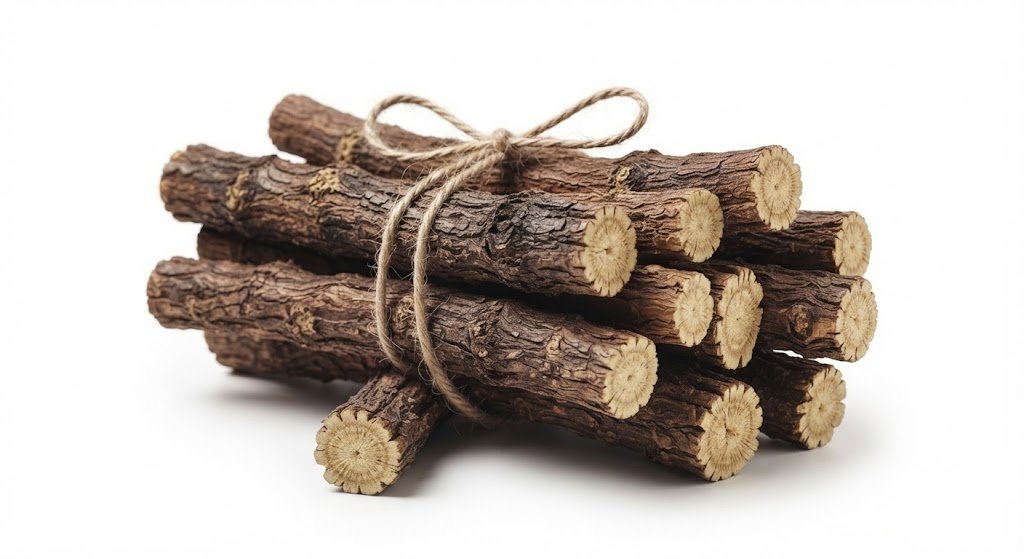

Licorice root boasts a loyal following among herbalists, digestive wellness advocates, and traditional medicine practitioners alike. This remarkable perennial legume packs powerful glycyrrhizin, flavonoids, and anti-inflammatory compounds into every serving. Research supports its health benefits far beyond typical confectionary candy hype.
Let us examine what this plant genuinely achieves for digestive mucosal support, respiratory relief, and adrenal wellness. Furthermore, we will cover areas where science needs more human trials and how to consume it safely.
What Is Licorice Root?
Licorice (Glycyrrhiza glabra), also known as sweet root or yashtimadhu, is a robust herbaceous perennial plant belonging to the legume family (Fabaceae). It is native to the Mediterranean region, southern Europe, and parts of Asia, where it has served traditional healing systems for over 3,000 years. Its long, fibrous, sweet-tasting subterranean roots and stolons house the active phytochemicals.
A single serving of the dried root powder or concentrated extracts delivers sweet saponins and flavonoids rather than heavy macronutrients. Active plant compounds like glycyrrhizin, glabridin, and diverse licorice flavonoids drive its distinct therapeutic activity and demulcent properties.
How Licorice Root Supports Health and Disease Prevention
Digestive Mucosal Support and Ulcer Relief
This stands as the root’s most famous and well-researched benefit, particularly regarding gastrointestinal lining protection and soothing discomfort.
-
The Mechanism: Active compounds stimulate the production of thick, protective gastric mucus while inhibiting bacterial growth and reducing local inflammation in the stomach lining.
-
The Research: Extensive clinical trials demonstrate that specialized extracts (such as DGL) significantly alleviate symptoms of indigestion, acid reflux, and peptic ulcers.
Respiratory Comfort and Expectorant Action
Upper respiratory wellness and airway clearance rely heavily on soothing demulcent action and loosening trapped mucus.
-
The Mechanism: Saponins stimulate tracheal secretions, transforming thick mucus into a more fluid consistency that is easier to expel from bronchial passages.
-
The Research: Pharmacological evaluations show that traditional infusions help calm throat irritation, suppress stubborn coughs, and ease bronchial congestion.
Adrenal Support and Stress Resilience
Endocrine balance and energy regulation depend on supporting natural cortisol metabolism during periods of chronic stress.
-
The Mechanism: Active glycyrrhizin inhibits the enzymatic breakdown of cortisol, helping maintain adequate circulating stress hormones in individuals experiencing adrenal fatigue.
-
The Research: Clinical observations indicate that careful supplementation supports stamina and systemic resilience, though careful monitoring is required to prevent blood pressure changes.
Powerful Antioxidant and Skin Protection
Dermal integrity and cellular defense against environmental stressors depend heavily on botanical antioxidant availability.
-
The Mechanism: Abundant glabridin and flavonoid compounds neutralize harmful free radicals and inhibit tyrosinase activity to help balance skin pigmentation.
-
The Research: Dermatological studies confirm that topical applications help calm inflammatory skin conditions, soothe irritation, and brighten complexion tone safely.
How to Add Licorice Root to Your Diet
The therapeutic root is versatile, functioning as a soothing tea, chewable tablet, or concentrated extract:
-
Herbal tea infusions: Steep dried root slices in hot water for several minutes to create a naturally sweet, demulcent herbal tea.
-
Deglycyrrhizinated licorice (DGL) chewables: Take DGL tablets before meals to support digestive mucosal health without risking blood pressure elevations.
-
Standardized liquid extracts: Mix liquid root extract into warm water or tea according to product labeling for targeted respiratory support.
-
Start moderately: Begin with low doses or short-term use to monitor individual physiological responses comfortably.
Safety Considerations for Licorice Root
The root is highly therapeutic, but specific physiological effects require critical attention:
-
Blood Pressure and Potassium Risks: Regular, long-term consumption of whole glycyrrhizin-containing licorice can cause sodium retention, potassium depletion, and elevated blood pressure. Utilizing DGL extracts avoids this specific side effect.
-
Medication Interactions: The supplement can interact with diuretics, blood pressure medications, corticosteroids, and blood thinners. Consult a healthcare professional before combining them.
-
Hormonal and Endocrine Cautions: Because active constituents influence cortisol pathways, individuals managing hormone-sensitive conditions should exercise caution.
-
Pregnancy Precautions: High intake during pregnancy is strongly discouraged, as clinical evaluations link excessive consumption to potential risks for fetal development and preterm labor.
The Bottom Line
The sweet legume backs up its ancient reputation with a robust modern research base, especially regarding digestive mucosal defense, respiratory comfort, and soothing demulcent action. Distinguishing between full-glycyrrhizin root preparations and safer DGL extracts remains the biggest variable in experiencing its benefits safely.
Done right, it makes a protective, therapeutic, and comforting addition to a broader wellness lifestyle. It offers no standalone miracle cure, but it remains one of the most uniquely soothing botanicals in the natural world.