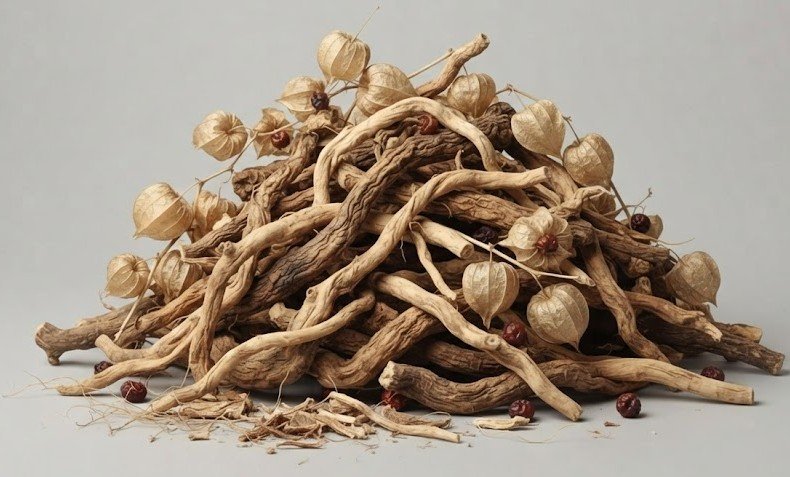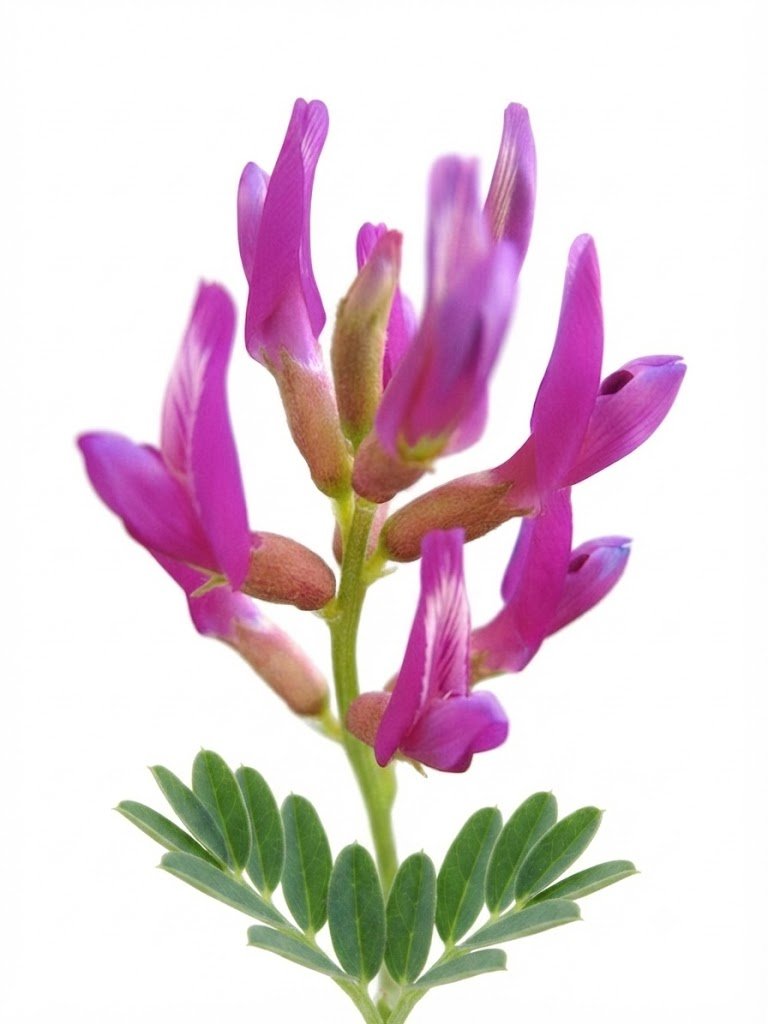
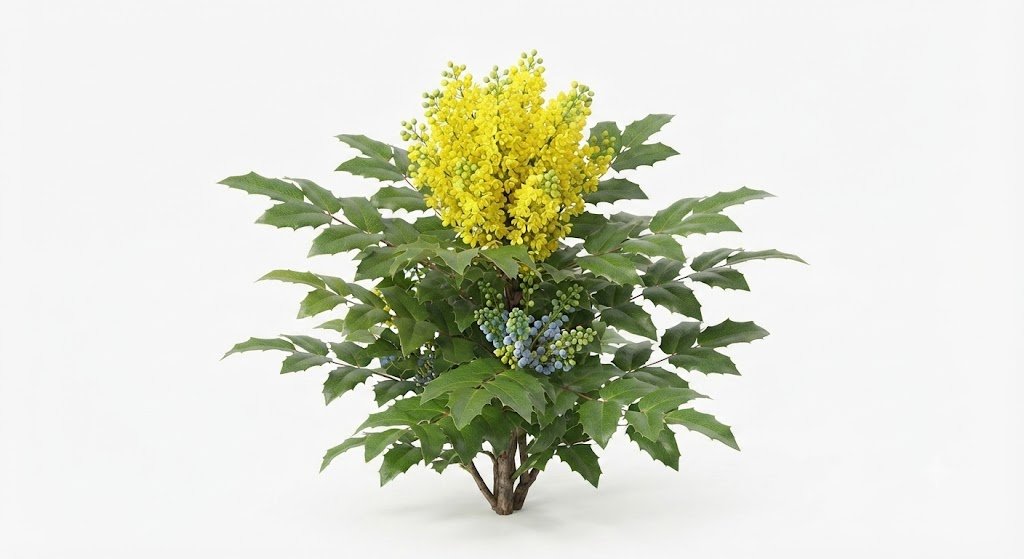

Oregon grape boasts a loyal following among herbalists, skin-health advocates, and digestive wellness seekers alike. This remarkable evergreen shrub packs powerful berberine, alkaloids, and anti-inflammatory compounds into every serving. Research supports its health benefits far beyond typical landscaping-shrub hype.
Let us examine what this plant genuinely achieves for antimicrobial defense, skin clarification, and digestive support. Furthermore, we will cover areas where science needs more human trials and how to consume it safely.
What Is Oregon Grape?
Oregon grape (Mahonia aquifolium), also known as tall Oregon grape or mountain grape, is a spiny evergreen shrub belonging to the barberry family (Berberidaceae). It is native to the western regions of North America and has long served indigenous and traditional Western herbalism. Its glossy, holly-like compound leaves, bright yellow flower clusters, and yellow-hued inner roots house the active phytochemicals.
A single serving of the dried root or bark delivers concentrated bitter alkaloids rather than heavy macronutrients. Active plant compounds like berberine, jatrorrhizine, and palmatine drive its distinct therapeutic activity and antimicrobial properties.
How Oregon Grape Supports Health and Disease Prevention
Antimicrobial and Immune Defense
This stands as the plant’s most famous benefit, particularly regarding defending the body against microbial imbalances.
-
The Mechanism: High concentrations of the isoquinoline alkaloid berberine disrupt microbial cell membranes, inhibit bacterial replication, and interfere with pathogen adhesion to host tissues.
-
The Research: Pharmacological evaluations demonstrate that berberine-rich extracts exhibit broad-spectrum activity against various bacteria, fungi, and protozoa.
Skin Clarification and Psoriasis Support
Dermatological wellness and chronic skin conditions rely heavily on managing internal inflammation and supporting microbial balance.
-
The Mechanism: Topical and internal alkaloids help suppress inflammatory pathways, reduce hyperproliferation of skin cells, and calm local irritation.
-
The Research: Clinical trials indicate that topical creams containing the herbal extract significantly improve symptoms of chronic plaque psoriasis and eczema.
Digestive Health and Gut Microbiome Support
Gastrointestinal wellness depends on maintaining a balanced microbial ecosystem and promoting healthy bile secretion.
-
The Mechanism: Bitter compounds stimulate digestive secretions and bile flow while helping balance pathogenic overgrowth in the intestinal tract without harming beneficial flora.
-
The Research: Nutritional science indicates that berberine-containing herbs support metabolic health, improve gut barrier integrity, and alleviate occasional digestive distress.
Powerful Antioxidant and Anti-inflammatory Protection
Systemic wellness depends heavily on continuous cellular defense against oxidative stress and inflammatory damage.
-
The Mechanism: Abundant phenolic compounds neutralize harmful free radicals and inhibit pro-inflammatory enzymes throughout the body.
-
The Research: Laboratory studies confirm that consistent extract administration helps lower systemic inflammatory markers and protects tissues from oxidative wear.
How to Add Oregon Grape to Your Diet
The therapeutic root is typically consumed as a supplement, tincture, or topical preparation due to its intensely bitter taste:
-
Standardized extract capsules: Take capsules standardized to contain verified berberine levels according to product labeling.
-
Liquid tinctures: Mix liquid root extract into water or juice for convenient internal antimicrobial or digestive support.
-
Topical creams and ointments: Apply commercial salves containing the herbal extract directly to localized skin irritation or psoriatic plaques.
-
Start moderately: Begin with low doses to allow your digestive system to adapt comfortably to the strong bitter alkaloids.
Safety Considerations for Oregon Grape
The root is highly therapeutic, but specific physiological factors require critical attention:
-
Gastrointestinal Sensitivity: Because berberine acts strongly on the digestive tract, high doses can cause mild cramping, nausea, or diarrhea in sensitive individuals.
-
Medication Interactions: The supplement can interact with blood thinners, liver enzymes that metabolize drugs, and diabetes medications. Consult a healthcare professional before combining them.
-
Jaundice and Liver Precautions: Traditional and clinical sources advise avoiding use in individuals with acute liver disease or infant jaundice, as berberine can displace bilirubin.
-
Pregnancy and Breastfeeding: Because berberine can cross the placental barrier and affect bilirubin metabolism, pregnant or nursing individuals must strictly avoid consumption.
The Bottom Line
The yellow-rooted shrub backs up its traditional reputation with a solid research base, especially regarding berberine delivery, antimicrobial defense, and skin clarification. Distinguishing between raw unverified harvesting and safely standardized commercial preparations remains the biggest variable in enjoying it safely.
Done right, it makes a protective, therapeutic, and cleansing addition to a broader wellness lifestyle. It offers no standalone miracle cure, but it remains one of the most potent berberine-rich botanicals in the natural world.