
Yarrow boasts a loyal following among herbalists, wound-care traditionalists, and digestive wellness seekers alike. This remarkable perennial herb packs powerful sesquiterpene lactones, flavonoids, and anti-inflammatory compounds into every serving. Research supports its health benefits far beyond typical roadside-weed hype.
Let us examine what this plant genuinely achieves for wound healing, digestive support, and inflammatory modulation. Furthermore, we will cover areas where science needs more human trials and how to consume it safely.
What Is Yarrow?
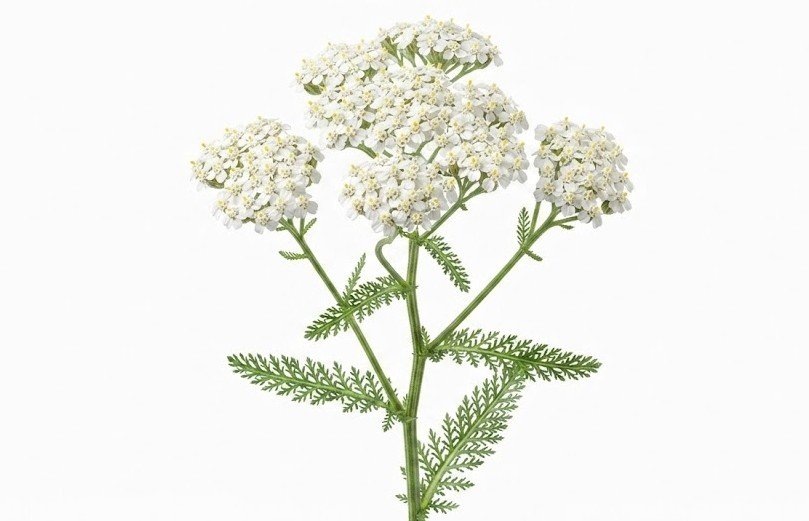
Yarrow (Achillea millefolium), also known as thousand-leaf or sanguinary, is a hardy perennial plant belonging to the daisy family (Asteraceae). It is native to temperate regions of the Northern Hemisphere and has served traditional European and indigenous herbalism for thousands of years. Its feathery, fern-like green leaves and flat-topped clusters of small white flowers house the active phytochemicals.
A single serving of the aerial parts or leaf extracts delivers concentrated bioactives rather than heavy macronutrients. Active plant compounds like achilleine, azulene, apigenin, and diverse sesquiterpene lactones drive its distinct therapeutic activity and medicinal properties.
How Yarrow Supports Health and Disease Prevention
Wound Healing and Hemostatic Support
This stands as the plant’s most famous and well-researched benefit, particularly regarding tissue repair and minor bleeding control.
-
The Mechanism: Active compounds like achilleine promote blood coagulation while encouraging local vasoconstriction. Consequently, this helps staunch minor bleeding and accelerate cellular repair.
-
The Research: Historical documentation and pharmacological evaluations demonstrate that topical applications effectively support tissue regeneration and minor wound closure.
Digestive Support and Spasmolytic Relief
Gastrointestinal wellness and comfort rely heavily on soothing smooth muscle tissue and stimulating healthy digestive secretions.
-
The Mechanism: Bitter glycosides and flavonoids stimulate bile flow from the gallbladder while relaxing smooth muscle spasms in the digestive tract.
-
The Research: Clinical observations show that consistent use helps alleviate mild digestive cramping, bloating, and sluggish gastric motility.
Anti-inflammatory and Immune Modulation
Systemic inflammation and immune system balance require continuous defense against oxidative wear and cellular stress.
-
The Mechanism: High concentrations of flavonoids and azulene inhibit pro-inflammatory cytokines and scavenge harmful free radicals.
-
The Research: Laboratory and animal evaluations indicate that targeted extracts help reduce localized inflammatory markers and support overall immune resilience.
Mild Fever Management and Diaphoretic Support
Traditional wellness practices frequently utilize warming herbs to support the body during seasonal immune challenges.
-
The Mechanism: Bioactive constituents help promote mild perspiration, encouraging natural thermoregulation during low-grade fevers.
-
The Research: Phytochemical studies confirm that the herb’s diaphoretic properties assist the body’s natural defense mechanisms during seasonal discomforts.
How to Add Yarrow to Your Diet
The therapeutic herb is typically consumed as a tea or tincture due to its strongly bitter and astringent taste:
-
Herbal tea infusions: Steep dried flowering tops in hot water for several minutes to create a bitter, medicinal herbal tea.
-
Liquid tinctures: Mix liquid aerial extract into water or juice according to product labeling for convenient dosing.
-
Topical poultices: Apply crushed fresh leaves or clean compresses externally to minor scrapes for traditional wound care.
-
Start moderately: Begin with low doses (such as a single cup of tea or standard tincture drops) to allow your digestive system to adapt comfortably.
Safety Considerations for Yarrow
The herb is remarkably safe for most individuals when used appropriately, but specific factors require attention:
-
Allergic Reactions (Asteraceae Family): Individuals with known allergies to plants in the daisy family (such as ragweed, chrysanthemums, or marigolds) may experience cross-reactivity and skin sensitivity.
-
Photosensitivity: Rare cases of skin sensitivity to sunlight can occur following heavy topical or internal use due to active constituents like coumarins.
-
Medication Interactions: The supplement can interact with blood thinners, blood pressure drugs, lithium, and antacids. Consult a healthcare professional before combining them.
-
Pregnancy and Uterine Precautions: Because traditional use suggests the herb can stimulate uterine contractions and act as an emmenagogue, pregnant individuals should strictly avoid consuming it.
The Bottom Line
The feathery perennial backs up its ancient reputation with a solid traditional and pharmacological research base, especially regarding wound care, digestive comfort, and inflammatory modulation. Distinguishing between wild unverified foraging and properly prepared herbal supplements remains the biggest variable in enjoying it safely.
Done right, it makes a protective, therapeutic, and historic addition to a broader wellness lifestyle. It offers no standalone miracle cure, but it remains one of the most versatile botanicals in natural health.