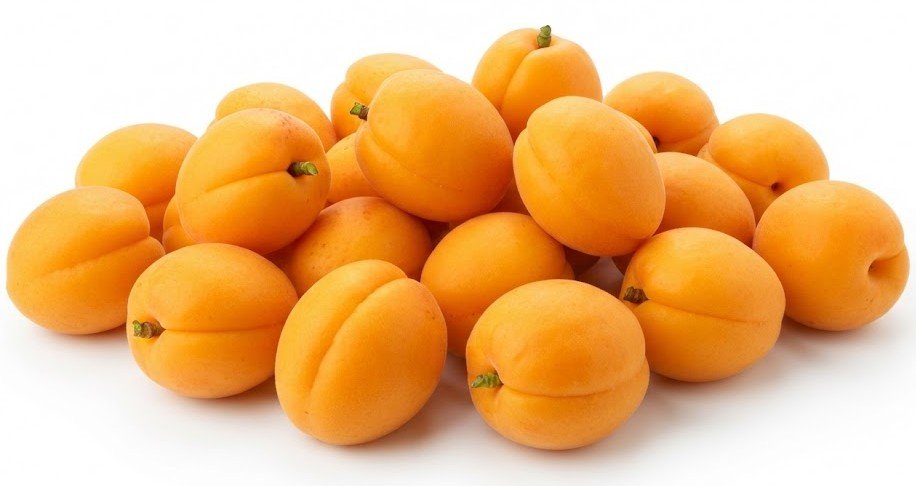

Apricots boast a loyal following among functional nutritionists, holistic health seekers, and culinary enthusiasts alike. This remarkable stone fruit packs powerful beta-carotene, dietary fiber, and vitamin C into every serving. Research supports its health benefits far beyond typical seasonal-fruit expectations.
Let us examine what this plant genuinely achieves for ocular wellness, skin protection, and metabolic health. Furthermore, we will cover areas where science needs more human trials and how to consume apricots safely.
What Is an Apricot?
Apricots (Prunus armeniaca), widely celebrated as delicious golden drupes, are the sweet, fleshy fruit of a deciduous tree belonging to the rose family (Rosaceae). They are native to Central Asia and China. Consequently, this beloved food has served traditional Asian cuisines and holistic herbalism for millennia. Their velvety, golden-orange skins and succulent pulp house the active phytochemicals.
A single serving of the ripe fruit delivers concentrated micronutrients, soluble fiber, and specialized carotenoids rather than heavy macronutrients. Active plant compounds like beta-carotene, lutein, zeaxanthin, and chlorogenic acid drive its distinct therapeutic activity and antioxidant properties.
How Apricots Support Health and Disease Prevention
Apricots for Ocular Wellness and Vision Protection
This stands as one of the plant’s most famous benefits, particularly regarding retinal health and long-term vision maintenance.
-
The Mechanism: High concentrations of vitamin A precursors and macular carotenoids accumulate in retinal tissues to filter harmful light and combat oxidative stress.
-
The Research: Nutritional evaluations demonstrate that regular consumption of carotenoid-rich apricot fruit significantly supports visual acuity and protects against age-related ocular degeneration.
Skin Protection and Dermatological Health
Dermatological health and cellular defense rely heavily on dietary compounds that protect tissues from ultraviolet radiation and environmental stress.
-
The Mechanism: Powerful antioxidants like beta-carotene and vitamin C work synergistically to neutralize free radicals and support collagen synthesis in soft tissues.
-
The Research: Dermatological science shows that consistent dietary inclusion of vitamin-rich fruits helps improve skin elasticity and protects against oxidative cellular damage.
Metabolic Health and Glycemic Support
Systemic metabolic efficiency relies heavily on foods that deliver high nutrient density without causing rapid blood sugar disruptions.
-
The Mechanism: Soluble pectin fibers and slow-digesting carbohydrates moderate the rate of glucose absorption into the bloodstream.
-
The Research: Metabolic studies indicate that incorporating fiber-dense fresh fruits into balanced diets supports healthy blood sugar regulation and metabolic function.
Cardiovascular Health and Lipid Balance
Heart wellness and circulatory efficiency rely heavily on maintaining healthy cholesterol levels and protecting blood vessels from oxidative stress.
-
The Mechanism: Abundant potassium and specialized polyphenols help regulate blood pressure and protect circulating lipids from harmful oxidation.
-
The Research: Cardiovascular science shows that consistent dietary intake of antioxidant-rich plant foods supports overall vascular resilience and heart function.
How to Add Apricots to Your Diet
The therapeutic fruit is versatile, functioning as a sweet, luscious culinary addition to diverse everyday dishes:
-
Eaten fresh when fully ripe: Enjoy soft, fragrant fresh apricots whole as a quick, juicy, and convenient daily seasonal snack.
-
Sliced into summer green salads: Combine diced fresh fruits with goat cheese, walnuts, and leafy greens for a crisp, nutrient-dense salad.
-
Pitted and baked into wholesome tarts: Roast or bake fresh fruit halves lightly to concentrate their natural sweetness and bioactive compounds for healthy desserts.
-
Start moderately: Begin with standard culinary portions of apricots to allow your digestive system to adapt comfortably to the natural fiber content.
Safety Considerations for Apricots
The golden summer fruit is remarkably safe for most individuals. However, specific physiological factors require attention:
-
Kernel and Amygdalin Precautions: The hard stones contain seeds enclosing amygdalin, a compound that releases cyanide when metabolized; therefore, consuming apricot kernels is strongly discouraged due to potential toxicity.
-
Sulfites in Dried Varieties: Commercially dried apricots often contain added sulfites, which can trigger asthma or allergic reactions in sensitive individuals.
-
Natural Sugar Awareness: Because ripe fresh fruits are naturally sweet and energy-dense, individuals managing strict blood sugar protocols should monitor individual serving sizes.
-
Sourcing and Ripening: Always choose fragrant, slightly yielding fruits to ensure optimal ripeness, flavor, and maximum micronutrient content.
The Bottom Line
The fascinating golden fruit backs up its culinary reputation with a solid research base. Specifically, this wonderful food shines regarding ocular wellness, skin protection, and antioxidant delivery. Distinguishing between proper portioning and understanding personal dietary needs remains the biggest variable in enjoying apricots safely.
Done right, apricots make a protective, therapeutic, and delicious addition to a broader wellness lifestyle. They offer no standalone miracle cure. Yet, apricots remain one of the most vitamin-dense and antioxidant-rich fruits in the natural world.