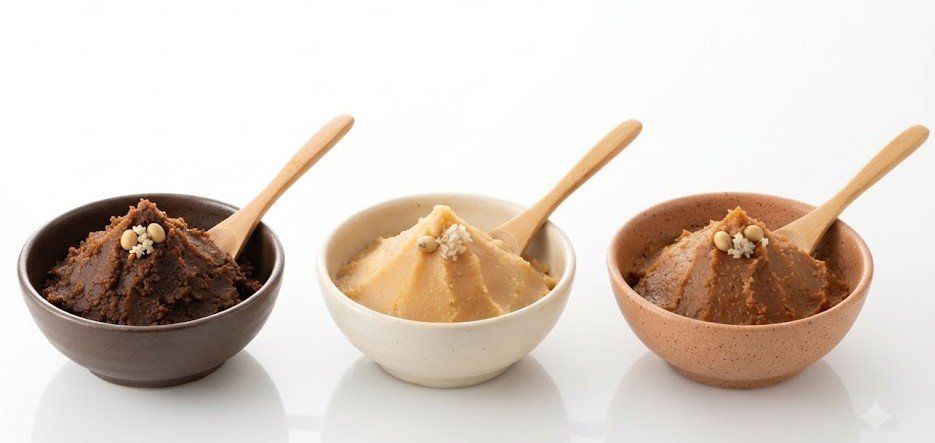

Miso boasts a loyal following among functional nutritionists, holistic health seekers, and culinary enthusiasts. This remarkable fermented paste packs powerful probiotics, bioactive isoflavones, and savory enzymes into every serving. Furthermore, research supports its health benefits far beyond typical seasoning expectations.
Let us examine what this food achieves for gut health, metabolic balance, and cardiovascular wellness. In addition, we will cover areas where science needs human trials and how to consume miso safely.
What Is Miso?
Miso, widely celebrated as a thick, savory paste, is the traditional Japanese seasoning produced by fermenting soybeans with salt and a koji starter (derived from Aspergillus oryzae fungus). It is native to East Asia. Consequently, this beloved food has served traditional Asian cuisines for millennia. Their dense textures and rich, umami-driven profiles house active phytochemicals.
A single serving delivers concentrated micronutrients, complete plant proteins, and specialized fermentation byproducts rather than heavy carbohydrates. Active plant compounds like soy isoflavones, melanoidins, beneficial probiotics, and diverse B-vitamins drive its therapeutic activity and antioxidant properties.
How Miso Supports Health and Disease Prevention
Miso for Gut Health and Digestive Support
Optimal gastrointestinal function relies heavily on beneficial microbial populations and foods that enhance nutrient absorption.
-
The Mechanism: Live probiotic cultures and active digestive enzymes work synergistically to populate the microbiome and break down complex food structures.
-
The Research: Gastrointestinal science shows that consistent dietary intake of fermented soy products significantly supports gut barrier integrity and overall digestive comfort.
Cardiovascular Wellness and Vascular Support
Heart wellness and circulatory efficiency rely heavily on maintaining healthy blood vessel function and systemic inflammatory balance.
-
The Mechanism: Bioactive peptides generated during prolonged fermentation help modulate vascular tone and protect cells from oxidative stress.
-
The Research: Clinical evaluations demonstrate that regular consumption of traditional miso soup supports healthy cardiovascular parameters despite its high sodium content.
Immune Modulation and Cellular Defense
Systemic immune resilience depends heavily on targeted antioxidant delivery and communication pathways within the gut-associated lymphoid tissue.
-
The Mechanism: Concentrated isoflavones and melanoidins act as powerful antioxidants that help scavenge free radicals and regulate immune cell responses.
-
The Research: Biochemical assessments confirm that regular dietary intake of fermented soy foods provides robust cellular protection and supports immune defense.
Metabolic Health and Glycemic Support
Systemic metabolic efficiency relies heavily on foods that deliver rich nutrients without causing sharp blood sugar fluctuations.
-
The Mechanism: Fermentation breaks down raw bean anti-nutrients and transforms proteins into highly bioavailable amino acids that support steady metabolic function.
-
The Research: Metabolic studies indicate that incorporating traditional fermented condiments into balanced diets supports healthy metabolic balance.
How to Add Miso to Your Diet
The therapeutic paste is versatile, functioning as a rich, savory culinary addition to diverse everyday dishes:
-
Stirred into warm broths: Dissolve white or red miso into warm water or vegetable stock to create a classic, comforting soup.
-
Whisked into salad dressings: Combine miso paste with olive oil, rice vinegar, and ginger for a nutrient-dense, umami-packed drizzle.
-
Blended into marinades: Use the paste as a rich base for glazing fish, tofu, or roasted root vegetables.
-
Preserve live cultures: Add miso to recipes after removing them from direct heat to protect its delicate probiotic bacteria.
Safety Considerations for Miso
The nutrient-dense condiment is remarkably safe for most individuals. However, specific physiological factors require attention:
-
Sodium Content Awareness: Because miso is inherently rich in salt, individuals managing strict blood pressure restrictions or chronic kidney conditions should monitor portion sizes carefully.
-
Soy Allergy Caution: Individuals with diagnosed soy allergies must strictly avoid traditional soybean-based miso to prevent adverse immune reactions.
-
Heat Sensitivity: Exposing miso to rolling boils destroys its live probiotic cultures, though its minerals and savory peptides remain intact.
-
Sourcing and Storage: Always choose unpasteurized, high-quality live-culture miso stored in airtight refrigerated containers to preserve its beneficial microbes.
The Bottom Line
The fascinating fermented paste backs up its culinary reputation with a solid modern research base. Specifically, this wonderful food shines regarding gut health, cardiovascular wellness, and cellular defense. Therefore, balancing sodium intake and understanding personal dietary needs remains the biggest variable in enjoying miso safely.
Done right, miso makes a protective, therapeutic, and delicious addition to a broader wellness lifestyle. It offers no standalone miracle cure. Yet, miso remains one of the most probiotic-dense and flavorful condiments in the natural world.