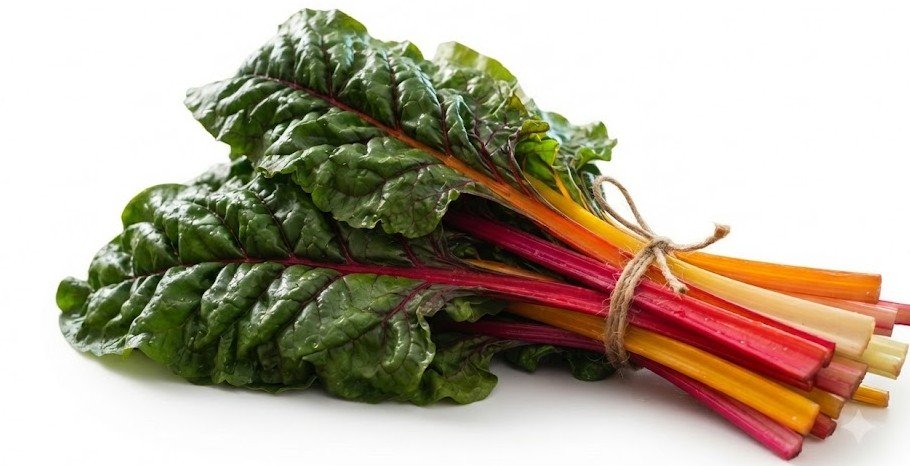

Swiss chard boasts a loyal following among culinary enthusiasts, functional nutritionists, and holistic health seekers alike. This remarkable leafy green packs powerful vitamins, minerals, and antioxidant pigments into every serving. Research supports its health benefits far beyond typical garden-vegetable hype.
Let us examine what this plant genuinely achieves for blood sugar regulation, cardiovascular health, and cellular defense. Furthermore, we will cover areas where science needs more human trials and how to consume it safely.
What Is Swiss Chard?
Swiss chard (Beta vulgaris subsp. cicla), also simply known as chard, is a leafy biennial vegetable belonging to the amaranth family (Amaranthaceae). It is native to the coastal regions of the Mediterranean and has long served traditional European and Mediterranean diets. Its broad, glossy green leaves and vibrant, colorful stalks (ranging from bright red and yellow to crisp white) house the active phytochemicals.
A single serving of the steamed or raw leaves delivers concentrated micronutrients rather than heavy macronutrients. Active plant compounds like betalains, carotenoids, and various flavonoids drive its distinct therapeutic activity and antioxidant properties.
How Swiss Chard Supports Health and Disease Prevention
Blood Sugar Regulation and Metabolic Support
This stands as one of the plant’s most famous benefits, particularly regarding insulin sensitivity and glycemic control.
-
The Mechanism: High concentrations of alpha-lipoic acid and unique flavonoid antioxidants help improve cellular glucose uptake and reduce insulin resistance.
-
The Research: Nutritional evaluations demonstrate that regular consumption of leafy greens rich in antioxidants helps stabilize post-meal blood sugar levels and supports long-term metabolic health.
Cardiovascular Health and Blood Pressure Management
Heart wellness and circulatory efficiency rely heavily on dietary nitrates and minerals that support endothelial function.
-
The Mechanism: Natural dietary nitrates convert to nitric oxide in the body, promoting blood vessel dilation while potassium helps balance sodium levels and lower blood pressure.
-
The Research: Clinical studies show that consistent intake of nitrate-rich vegetables helps maintain healthy arterial elasticity and supports overall cardiovascular resilience.
Powerful Antioxidant and Betalain Protection
Systemic wellness depends heavily on continuous cellular defense against oxidative stress and inflammatory damage.
-
The Mechanism: Abundant betalain pigments (especially betaxanthin and betacyanin) neutralize harmful free radicals and suppress pro-inflammatory enzyme activity across tissues.
-
The Research: Biochemical assessments confirm that vibrant chard pigments offer potent cellular protection, helping reduce systemic oxidative stress markers.
Bone Health and Mineral Density
Skeletal integrity and structural strength depend on an adequate daily supply of fat-soluble vitamins and foundational minerals.
-
The Mechanism: Exceptional concentrations of vitamin K, calcium, and magnesium work synergistically to support bone mineralization and calcium regulation.
-
The Research: Epidemiological evaluations indicate that maintaining high vitamin K intake correlates strongly with a reduced risk of bone fractures and improved skeletal strength.
How to Add Swiss Chard to Your Diet
The therapeutic green is versatile, functioning as a vibrant culinary staple in diverse home-cooked dishes:
-
Sautéed with olive oil and garlic: Lightly sauté chopped leaves and colorful stems in extra virgin olive oil with minced garlic for a quick, nutrient-dense side dish.
-
Blanched or steamed greens: Steam the leaves briefly to soften the texture while preserving water-soluble vitamins and minerals.
-
Raw in chopped salads: Slice young, tender chard leaves finely to add a crisp, earthy crunch and vibrant color to mixed green salads.
-
Start moderately: Begin with standard culinary portions to allow your digestive system to adapt comfortably to the rich fiber and vitamin content.
Safety Considerations for Swiss Chard
The green is remarkably safe for most individuals, but specific physiological factors require attention:
-
Oxalate Content Warnings: Because chard contains significant levels of naturally occurring oxalates, individuals with a history of calcium oxalate kidney stones should consume it in moderation and consult a healthcare professional.
-
Vitamin K and Blood Thinner Interactions: Because the high vitamin K content can influence blood-clotting medications (such as warfarin), individuals on anticoagulants should maintain a consistent daily intake and speak with their physician.
-
Thyroid Cautions: Raw leaves contain trace goitrogens that can theoretically impact iodine uptake in susceptible individuals, though cooking largely neutralizes this effect.
-
Gastrointestinal Adjustment: The high fiber content can cause mild bloating or gas in individuals unaccustomed to leafy green vegetables; increasing intake gradually prevents discomfort.
The Bottom Line
The vibrant leafy green backs up its culinary reputation with a solid research base, especially regarding blood sugar support, cardiovascular health, and antioxidant delivery. Distinguishing between proper preparation methods and understanding personal oxalate or vitamin K needs remains the biggest variable in enjoying it safely.
Done right, it makes a protective, therapeutic, and delicious addition to a broader wellness lifestyle. It offers no standalone miracle cure, but it remains one of the most nutrient-dense greens in the natural world.