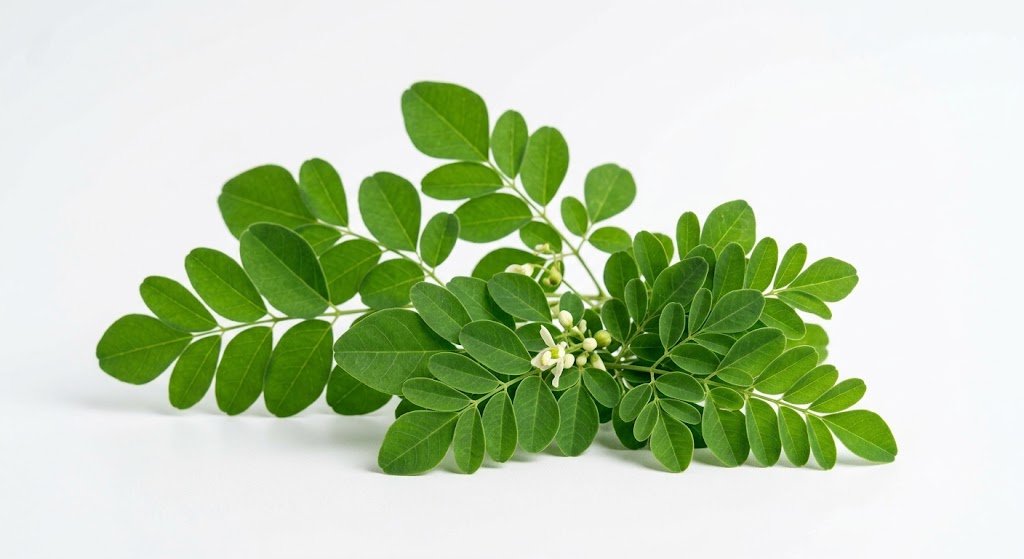

Moringa leaves are incredibly nutrient-dense foliage harvested from the Moringa oleifera tree, often referred to as the “drumstick tree” or the “miracle tree.” Known for their mildly earthy, spinach-like flavor and exceptional nutritional density, these small green leaves have become a revered staple in holistic health and global kitchens. Native to the sub-Himalayan tracts of the Indian subcontinent, Moringa has been utilized in Ayurvedic medicine for thousands of years and spread across the globe through early agricultural networks. Today it is grown extensively across tropical and subtropical regions in Asia, Africa, and South America, prized in traditional dals, broths, and modern superfood powders.
Packed with an astonishing concentration of vitamins, minerals, complete plant proteins, and potent antioxidants, this drought-resistant foliage is valued as a true natural multivitamin. This guide explores its history, nutritional profile, health benefits, traditional uses, cultivation methods, and practical ways to include it in your diet.
The History of Moringa Leaves & Cultural Importance
This foliage has a profound medicinal and agricultural history rooted deeply in South Asia before spreading to warm climates globally.
Moringa Leaves Through the Ages
- Ancient Ayurvedic Roots: Documented extensively in ancient Indian medical texts dating back over 4,000 years, where it was prescribed to treat over 300 different ailments.
- Mauryan Empire Staple: Historically consumed by ancient warriors in the Mauryan Empire to provide sustained energy and relieve pain during long campaigns.
- Global Tropical Spread: Carried across the globe by migrating populations, it became a crucial survival crop in arid regions of Africa due to its extreme drought resistance.
- Modern Superfood Status: Now globally recognized by modern health organizations as a highly sustainable, fast-growing crop essential for combating malnutrition worldwide.
Botanical Description of Moringa Leaves
Moringa oleifera belongs to the single-genus family Moringaceae and is distinctively unique in its rapid growth patterns and complete utility.
Plant Characteristics
- Growth: An exceptionally fast-growing, deciduous tree capable of reaching up to 10–12 meters in height, characterized by a drooping, umbrella-shaped canopy.
- Leaves: Feathery, tripinnate compound leaves, composed of numerous small, rounded, dark green leaflets that hold the plant’s primary nutritional payload.
- Flowers: Fragrant, yellowish-white, asymmetric flowers that bloom year-round in ideal climates.
- Seed Pod: The long, ribbed green pods (drumsticks) that hang from the branches, which are also highly edible and nutritious.
Growing Conditions
This tree is a resilient, warm-season survivor that prefers intense sunlight and thrives in arid, challenging environments.
- Ideal Temperature: 25–35°C for maximum leaf production; it is highly susceptible to frost and cannot survive freezing temperatures.
- Soil Type: Prefers well-drained, sandy, or loamy soil with a neutral to slightly acidic pH (6.3 to 7.0), but is famous for growing in poor, depleted soils.
- Propagation: Readily grown from both seeds and large stem cuttings, establishing deep taproots very quickly.
- Harvesting Season: Leaves can be continuously harvested year-round in tropical climates, typically gathered by stripping the leaflets straight from the branches.
Nutritional Profile of Moringa Leaves
This foliage stands entirely apart from normal greens, offering massive concentrations of essential micronutrients and acting as a rare source of complete plant protein.
Nutrients (Per 100g Raw Serving)
| Nutrient | Amount | Health Benefits |
| Energy | 92 kcal | Provides dense, sustainable cellular energy |
| Protein | 9.4g | Contains all 9 essential amino acids for tissue repair |
| Dietary Fiber | 2.0g | Promotes gastrointestinal tracking and gut health |
| Vitamin C | 51.7mg | Elite antioxidant supporting immune function |
| Vitamin A | 378µg | Essential for clear vision and cellular membrane health |
| Calcium | 185mg | Crucial for structural bone integrity and signaling |
| Iron | 4.0mg | Vital for healthy blood formation and oxygen transport |
| Potassium | 337mg | Regulates cardiovascular health and fluid balance |
Note: Drying the leaves into powder concentrates these nutritional values exponentially. (Source: USDA FoodData Central)
Moringa Leaves Benefits for Your Everyday Health
1. Provides a Complete Plant-Based Protein
Unlike most plant foods, Moringa leaves contain all nine essential amino acids in highly bioavailable forms, making it an indispensable resource for vegetarians and vegans seeking muscular repair.
2. Delivers Superior Antioxidant Protection
Rich in specialized antioxidants like quercetin and chlorogenic acid, it actively lowers systemic oxidative stress and helps regulate healthy blood sugar curves.
3. Supports Healthy Inflammatory Responses
Contains a high concentration of isothiocyanates, which are compounds known to suppress the body’s production of inflammatory enzymes in the cellular tissue.
4. Promotes Healthy Iron Levels
Boasting significant amounts of natural iron paired with abundant Vitamin C, it ensures optimal iron absorption into the bloodstream to prevent fatigue.
5. Supports Bone Health
Provides highly bioavailable dietary calcium and phosphorus, working synergistically to maintain strong skeletal structures and prevent long-term bone density loss.
6. Supports Cardiovascular Wellness
Its natural potassium content and robust lipid-lowering properties work effectively to assist the body in regulating healthy cholesterol curves and arterial flow.
7. Enhances Meals Naturally
Adds an earthy, deep green flavor to daily dishes or acts as an invisible nutritional booster when powdered into morning smoothies.
Traditional & Modern Culinary Uses for Moringa Leaves
1. Traditional Dals and Broths
Adding fresh, stripped leaves into slow-simmering lentil curries (dals) allows the leaves to soften, enriching the broth with their deep earthy flavor.
2. Stir-Fries and Sautéed Greens
Tossing the fresh leaflets into a hot pan with grated coconut, mustard seeds, and dried chilies yields a highly nutritious traditional side dish.
3. Nutrient-Dense Smoothies
Blending a tablespoon of dried Moringa powder into fruit smoothies provides an massive, immediate infusion of morning micronutrients.
4. Herbal Infusions (Moringa Tea)
Steeping the dried leaves in hot water creates a bright, earthy, non-caffeinated tea packed with readily absorbed antioxidants.
How to Include Moringa Leaves in Your Diet
- Savory Lentil Dal – Stir a handful of fresh leaves into your boiling lentils during the final 10 minutes of cooking.
- Morning Power Smoothie – Add one teaspoon of organic Moringa powder to your blender with banana and spinach.
- Spiced Coconut Sauté – Flash-fry fresh leaves with cold-pressed oil, garlic, and fresh coconut shreds.
- Nutritious Omelets – Fold finely chopped fresh leaves directly into your morning egg scramble.
- Healing Herbal Tea – Brew dried leaves in hot water, finishing with a squeeze of fresh lemon.
Side Effects & Precautions
While generally safe and highly beneficial for most people when consumed in normal dietary amounts, this foliage may cause:
- Mild laxative effects or an upset stomach if consumed in massive quantities (especially the concentrated powder) by individuals not accustomed to it.
- Potential interference with certain blood sugar or blood pressure medications, as Moringa naturally lowers both metrics.
- Precautions for pregnant women: While the leaves are generally considered safe and nutritious, consuming the roots, bark, or flowers can be dangerous and should be strictly avoided.
Individuals tracking optimal daily nutrition should incorporate it gradually, starting with small amounts to assess digestive tolerance. (Source: Wikipedia: Moringa oleifera)
Conclusion
Moringa oleifera leaves are a profoundly nutrient-rich superfood celebrated for their complex protein structure, exceptional antioxidant profile, and incredible culinary utility. From ancient Ayurvedic preparations to modern green smoothies and restorative teas, Moringa leaves have solidified their reputation as one of the most important healing plants on the planet. Whether eaten fresh in hearty stews or blended dry, they deliver unmatched life-giving value to a balanced lifestyle.
Start introducing Moringa leaves into your weekly dietary routine and experience its restorative properties and earthy flavor as part of a natural, healthy lifestyle. For more such posts, continue visiting thenaturefix.in.