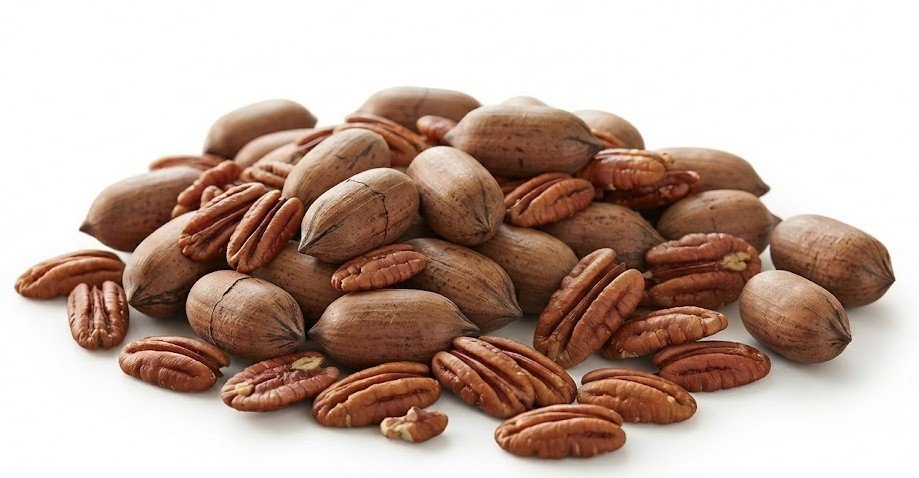

Pecans boast a loyal following among functional nutritionists, holistic health seekers, and culinary enthusiasts. This remarkable tree nut packs powerful monounsaturated fats, dietary fiber, and plant sterols into every serving. Furthermore, research supports its health benefits far beyond typical nut-snack expectations.
Let us examine what this plant achieves for cardiovascular health, metabolic balance, and cellular defense. In addition, we will cover areas where science needs human trials and how to consume pecans safely.
What Is a Pecan?
Pecans (Carya illinoinensis), widely celebrated as rich, buttery tree nuts, are the edible seeds of a large deciduous tree. They belong to the walnut family (Juglandaceae). Furthermore, they are native to the southern United States and northern Mexico. Consequently, this beloved food has served traditional North American cuisines for centuries. Their hard shells and oil-dense kernels house active phytochemicals.
A single serving of raw nut kernels delivers concentrated micronutrients, healthy fats, and specialized phenolic compounds. Active plant compounds like beta-sitosterol, gamma-tocopherol, ellagic acid, and diverse flavonoids drive its therapeutic activity and antioxidant properties.
How Pecans Support Health and Disease Prevention
Pecans for Cardiovascular Health and Lipid Balance
Heart wellness and circulatory efficiency rely heavily on maintaining healthy cholesterol levels and protecting blood vessels.
-
The Mechanism: Abundant monounsaturated fatty acids and plant sterols work synergistically to help lower LDL cholesterol levels and support blood lipid profiles.
-
The Research: Clinical science shows that consistent dietary inclusion of nutrient-dense pecans significantly supports vascular resilience and overall heart function.
Metabolic Health and Glycemic Support
Systemic metabolic efficiency relies heavily on foods that deliver high nutrient density without causing rapid blood sugar disruptions.
-
The Mechanism: Low carbohydrate content combined with healthy fats and dietary fiber moderates the rate of glucose absorption into the bloodstream.
-
The Research: Metabolic studies indicate that incorporating fiber-dense tree nuts into balanced diets supports healthy blood sugar regulation and metabolic balance.
Cellular Defense and Antioxidant Protection
Cellular longevity and internal defense depend heavily on protection against oxidative stress and free-radical damage.
-
The Mechanism: Exceptionally high concentrations of tocopherols and diverse polyphenols work across soft tissues to neutralize harmful reactive oxygen species.
-
The Research: Biochemical assessments confirm that regular dietary intake of antioxidant-rich tree nuts provides robust protection against cellular wear and tear.
Weight Management and Satiety Support
Maintaining healthy body composition relies heavily on foods that promote long-lasting fullness and curb unnecessary caloric intake.
-
The Mechanism: Dense dietary protein, healthy fats, and viscous fiber trigger key satiety hormones that help regulate appetite naturally.
-
The Research: Nutritional evaluations demonstrate that moderate, regular consumption of tree nuts supports healthy weight maintenance without adverse metabolic effects.
How to Add Pecans to Your Diet
The therapeutic tree nut is versatile, functioning as a buttery culinary addition to diverse everyday dishes:
-
Eaten raw or dry-roasted: Enjoy whole or halves as a quick, satisfying, and convenient daily snack for sustained energy.
-
Tossed into autumn green salads: Combine chopped toasted kernels with goat cheese, pears, and leafy greens for a crisp, nutrient-dense meal.
-
Stirred into morning yogurt or oatmeal: Sprinkle crushed nuts over breakfast grains for added texture, healthy fats, and plant protein.
-
Start moderately: Begin with standard culinary portions of pecans to allow your digestive system to adapt comfortably to the rich calorie density.
Safety Considerations for Pecans
The buttery tree nut is remarkably safe for most individuals. However, specific physiological factors require attention:
-
Tree Nut Allergy Awareness: Individuals with diagnosed tree nut allergies must strictly avoid pecans to prevent severe allergic or anaphylactic reactions.
-
Caloric Density Awareness: Because tree nuts are rich in healthy fats and calories, individuals managing strict weight goals should monitor portion sizes carefully.
-
Phytic Acid Considerations: Raw nuts contain natural phytic acid, which can bind minerals; consequently, soaking or roasting helps optimize nutrient availability.
-
Sourcing and Storage: Always choose fresh, airtight kernels stored in cool conditions to prevent natural oils from turning rancid over time.
The Bottom Line
The fascinating tree nut backs up its culinary reputation with a solid research base. Specifically, this wonderful food shines regarding cardiovascular health, metabolic balance, and antioxidant delivery. Therefore, distinguishing between proper portioning and understanding personal dietary needs remains the biggest variable in enjoying pecans safely.
Done right, pecans make a protective, therapeutic, and delicious addition to a broader wellness lifestyle. They offer no standalone miracle cure. Yet, pecans remain one of the most nutrient-dense and antioxidant-rich tree nuts in the natural world.