
Dark chocolate boasts a loyal following among chefs, wellness fans, and dessert lovers alike. This rich cacao-based treat packs powerful flavonoids, antioxidants, and minerals into every serving. Research supports its health benefits far beyond typical confectionery hype.
Let us examine what this indulgence genuinely achieves for heart health, cognitive function, and disease prevention. We will also cover areas where science needs more human trials and how to consume it safely.
What Is Dark Chocolate?
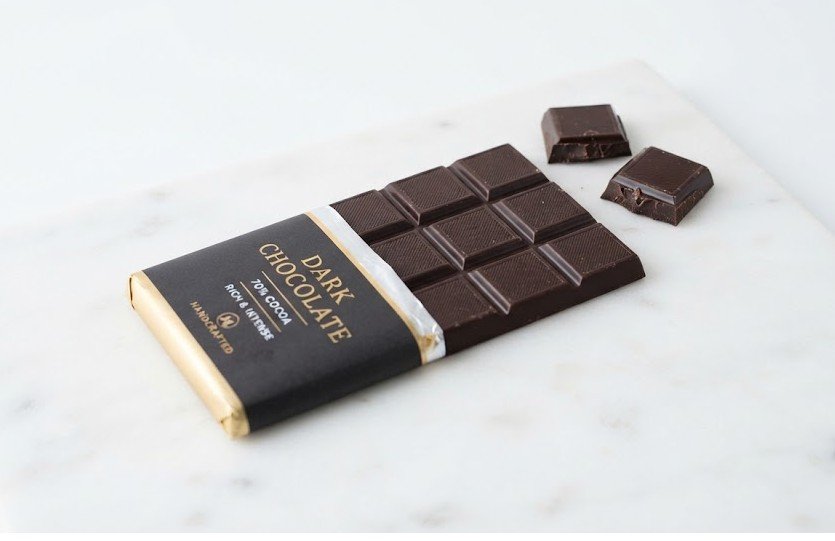
Dark chocolate is made by processing roasted cacao beans (Theobroma cacao), a tree native to Central and South America. Unlike milk chocolate, true dark varieties contain a high percentage of cacao solids (typically 70% or higher), minimal sugar, and little to no dairy.
A single serving of high-cacao chocolate delivers essential minerals like iron, magnesium, copper, and manganese, alongside dietary fiber. Active plant compounds like flavanols, catechins, and theobromine drive its rich flavor and medicinal activity.
How Dark Chocolate Supports Health and Disease Prevention
Heart Health and Blood Pressure Support
This stands as the treat’s most famous and well-researched benefit, particularly regarding cardiovascular efficiency and arterial flexibility.
-
The Mechanism: Bioactive flavanols stimulate the endothelium—the lining of blood vessels—to produce nitric oxide. This gas signals blood vessels to relax, reducing vascular resistance and lowering blood pressure.
-
The Research: Numerous clinical trials demonstrate that regular consumption of high-flavanol cocoa products significantly improves endothelial function and helps lower both systolic and diastolic blood pressure.
Powerful Antioxidant Protection
Oxidative stress drives cellular aging and contributes to chronic conditions ranging from heart disease to neurodegeneration.
-
The Mechanism: Cacao beans rank among the highest-scoring foods for antioxidant activity, neutralizing harmful free radicals and protecting cellular lipids from oxidation.
-
The Research: Regular intake bolsters internal antioxidant defenses, protecting LDL cholesterol from oxidative damage and shielding vascular walls over time.
Brain Health and Cognitive Enhancement
Mental sharpness and focus depend heavily on healthy cerebral blood flow and protection against neural oxidation.
-
The Mechanism: Flavanols cross the blood-brain barrier, increasing blood flow to key areas of the brain and supporting the formation of new neural connections.
-
The Research: Clinical studies indicate that daily intake improves attention span, verbal fluency, and working memory in healthy adults and older individuals experiencing mild cognitive decline.
Cholesterol and Lipid Management
Cardiovascular wellness links directly to the metabolic-regulating properties of antioxidant-rich foods.
-
The Mechanism: Active compounds help improve lipid processing, reducing oxidized LDL particles while supporting protective HDL cholesterol ratios.
-
The Research: Clinical observations show that consistent consumption helps improve overall lipid profiles and reduces key risk factors for heart disease.
Mood Regulation and Stress Relief
The sensory and chemical properties of cacao provide natural support for emotional well-being and relaxation.
-
The Mechanism: Compounds like theobromine, phenylethylamine, and trace amounts of serotonin precursors stimulate endorphin release and promote positive mood states.
-
The Research: Psychological evaluations reveal that moderate consumption helps reduce perceived stress and enhances feelings of comfort and vitality.
Blood Sugar and Insulin Sensitivity
Emerging metabolic research points toward dark chocolate as a surprisingly supportive ally for metabolic health.
-
The Mechanism: Plant flavanols help improve insulin sensitivity and support efficient cellular glucose uptake.
-
The Research: Short-term clinical trials suggest that moderate, high-cacao intake can improve insulin resistance markers without negatively impacting glycemic control.
How to Add Dark Chocolate to Your Diet
The treat is versatile and fits easily into daily wellness routines:
-
As a daily square: Enjoy one to two squares (roughly 20 to 30 grams) of 70% cacao or higher dark chocolate as an after-dinner treat.
-
As a culinary addition: Stir unsweetened cocoa powder into morning smoothies, oatmeal, or stews for a deep, savory flavor profile.
-
As a warm beverage: Whisk high-percentage cocoa powder into hot plant milk with a touch of cinnamon for a comforting, antioxidant-rich drink.
-
Start moderately: Focus on high-cacao percentages to maximize flavanols while keeping added sugars to a minimum.
Safety Considerations for Dark Chocolate
The treat is remarkably safe for most individuals, but specific factors require attention:
-
Caloric Density: Because it contains concentrated cocoa butter and sugars, overconsumption can contribute to unwanted weight gain and excess calorie intake.
-
Caffeine and Theobromine Content: Cacao contains natural stimulants. Individuals sensitive to caffeine or theobromine should avoid consuming large amounts late in the day to prevent sleep disruption.
-
Migraine Triggers: Some individuals with chronic migraines find that vasoactive amines present in chocolate can trigger headaches.
-
Heavy Metal Monitoring: Cacao can absorb trace amounts of heavy metals like cadmium and lead from the soil. Choosing reputable brands that test their products helps minimize exposure.
The Bottom Line
The rich cacao-based treat backs up its culinary reputation with a strong research base, especially regarding cardiovascular health, antioxidant defense, and cognitive support. Distinguishing between sugary confectionery and high-cacao dark chocolate remains the biggest variable in enjoying it.
Done right, it makes a decadent, low-risk, and therapeutic addition to a broader disease prevention lifestyle. It offers no standalone miracle cure, but it remains one of the most pleasurable and scientifically validated superfoods in the pantry.