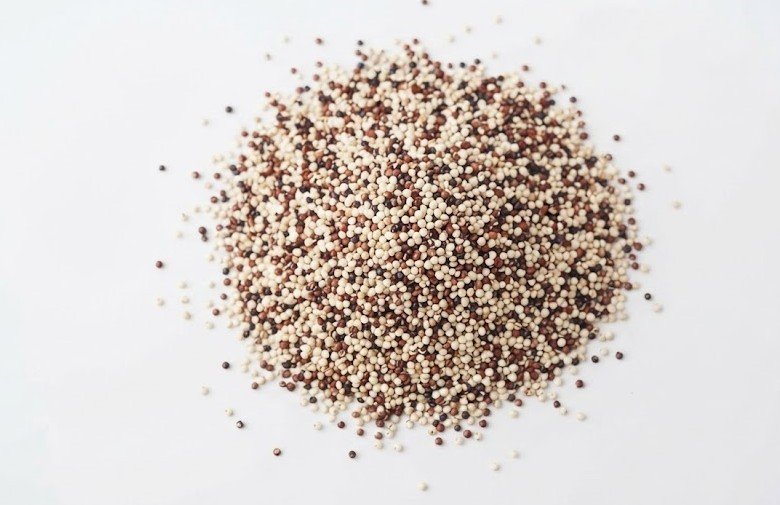

Quinoa boasts a loyal following among plant-based eaters, fitness enthusiasts, and whole-grain fans alike. This nutrient-dense pseudocereal packs complete proteins, complex carbohydrates, and essential minerals into every serving. Research supports its health benefits far beyond typical trendy grain-bowl hype.
Let us examine what this plant genuinely achieves for metabolic support, muscle recovery, and disease prevention. Furthermore, we will cover areas where science needs more human trials and how to consume it safely.
What Is Quinoa?
Quinoa (Chenopodium quinoa), a member of the amaranth family (Amaranthaceae), is technically a pseudocereal rather than a true grass grain. It is native to the Andean region of South America and has served traditional indigenous agriculture for over 5,000 years. Its small, round seeds house the active plant compounds and nutrients.
A single serving of cooked quinoa delivers essential vitamins, minerals, and macronutrients, including magnesium, phosphorus, manganese, folate, and dietary fiber. Active plant compounds like saponins, quercetin, and kaempferol drive its distinct protective activity.
How Quinoa Supports Health and Disease Prevention
Complete Protein and Muscle Support
This stands as the pseudocereal’s most famous benefit, particularly regarding plant-based nutrition and tissue repair.
-
The Mechanism: Unlike most plant foods, quinoa contains all nine essential amino acids in optimal proportions, making it a complete protein source for cellular repair and muscle synthesis.
-
The Research: Extensive nutritional studies demonstrate that incorporating complete plant proteins supports muscle maintenance and metabolic health, particularly for vegetarian and vegan diets.
Blood Sugar Regulation and Metabolic Support
Emerging metabolic research points toward the seed as a supportive ally for managing insulin sensitivity and glucose homeostasis.
-
The Mechanism: A low glycemic index combined with high fiber and complex carbohydrates slows down digestion and prevents sharp post-meal blood sugar spikes.
-
The Research: Clinical trials involving individuals with prediabetes and metabolic syndrome confirm that regular consumption improves glycemic control and lipid profiles over time.
Heart Health and Lipid Regulation
Cardiovascular efficiency and healthy blood vessel function link directly to the rich mineral and antioxidant profile found in the seeds.
-
The Mechanism: Bioactive flavonoids like quercetin and healthy soluble fibers help bind cholesterol in the digestive tract and support healthy vascular function.
-
The Research: Human studies indicate that consistent intake helps improve blood lipid parameters by supporting protective cholesterol ratios and reducing systemic cardiovascular risk markers.
Powerful Antioxidant and Anti-inflammatory Protection
Systemic inflammation and oxidative stress drive chronic aging processes and tissue degeneration throughout the body.
-
The Mechanism: High concentrations of phenolic antioxidants neutralize harmful free radicals and suppress pro-inflammatory signaling pathways.
-
The Research: Regular intake bolsters internal antioxidant enzyme defenses, protecting cellular structures from long-term oxidative wear.
Digestive Health and Microbiome Support
Gastrointestinal wellness relies heavily on dietary fiber and prebiotic compounds that nourish beneficial intestinal bacteria.
-
The Mechanism: Insoluble and soluble fibers add bulk to stool, promote regular bowel movements, and nourish beneficial gut microbes.
-
The Research: Clinical observations show that regular inclusion of whole pseudocereals supports a diverse, thriving microbiome and aids smooth gastrointestinal function.
How to Add Quinoa to Your Diet
The versatile seed fits easily into daily wellness routines:
-
Used as a grain base: Cook and use it as a nutrient-dense base for warm bowls, salads, or side dishes in place of rice.
-
Stirred into soups and stews: Add cooked seeds to vegetable soups or chilis to boost texture, fiber, and protein content.
-
Blended into breakfast bowls: Combine cooked quinoa with plant milk, cinnamon, and berries for a warm morning porridge.
-
Start moderately: Begin with small culinary portions (such as half a cup cooked) to allow your digestive system to adapt comfortably to the fiber content.
Safety Considerations for Quinoa
The seed is remarkably safe for most individuals, but specific factors require attention:
-
Saponin Coating (Rinsing Needed): Quinoa seeds naturally feature a bitter outer coating of saponins, which can cause mild digestive irritation if not washed away. Thoroughly rinsing the seeds in a fine-mesh strainer before cooking removes these compounds.
-
Oxalate Content: The seeds contain moderate amounts of oxalates. Individuals with a history of calcium oxalate kidney stones should consume them in moderation.
-
Digestive Adjustment: Introducing high-fiber pseudocereals abruptly can occasionally cause temporary bloating or gas in individuals unaccustomed to fiber-rich diets.
-
Caloric Density: Because the cooked seeds are dense in complex carbohydrates and energy, overconsumption without adjusting daily caloric intake can impact weight management.
The Bottom Line
The ancient Andean seed backs up its traditional reputation with an extraordinary research base, especially regarding complete protein delivery, metabolic health, and antioxidant defense. Distinguishing between unwashed bitter seeds and properly rinsed, wholesome preparations remains the biggest variable in enjoying it comfortably.
Done right, it makes a nourishing, protective, and therapeutic addition to a broader wellness lifestyle. It offers no standalone miracle cure, but it remains one of the most nutrient-dense and scientifically validated plant foods in the world.