
Rhodiola boasts a loyal following among cognitive biohackers, endurance athletes, and stress-resilient seekers alike. This resilient alpine root packs powerful rosavins, salidroside, and antioxidant compounds into every serving. Research supports its health benefits far beyond typical herbal supplement hype.
Let us examine what this plant genuinely achieves for stress adaptation, cognitive endurance, and fatigue reduction. Furthermore, we will cover areas where science needs more human trials and how to consume it safely.
What Is Rhodiola?
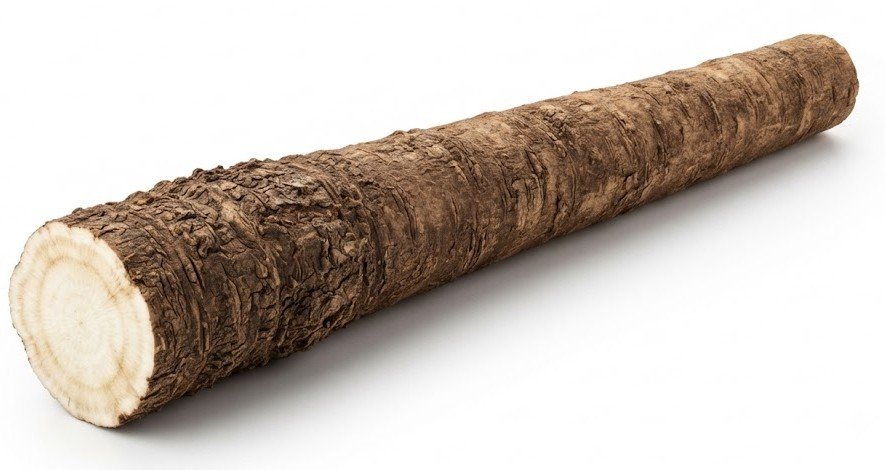
Rhodiola (Rhodiola rosea), also known as golden root or arctic root, is a perennial flowering plant belonging to the stonecrop family (Crassulaceae). It is native to cold, mountainous regions of Europe, Asia, and the Arctic. Its thick, fragrant rhizomes house the active phytochemicals.
A single serving of the root extract delivers concentrated bioactives rather than macronutrients. Active plant compounds like rosavin, rosin, rosarin, and salidroside drive its distinct adaptogenic activity and medicinal properties.
How Rhodiola Supports Health and Disease Prevention
Stress Adaptation and Fatigue Reduction
This stands as the herb’s most famous and well-researched benefit, particularly regarding mental and physical exhaustion.
-
The Mechanism: Adaptogenic compounds modulate the hypothalamic-pituitary-adrenal (HPA) axis and regulate stress hormone release. Consequently, this helps balance cortisol levels during high-pressure situations.
-
The Research: Extensive clinical trials demonstrate that standardized extracts significantly reduce burnout symptoms, mental fatigue, and stress-induced exhaustion during demanding tasks.
Cognitive Enhancement and Mental Clarity
Maintaining sharp focus and memory requires sustained neurotransmitter availability and cellular energy protection under pressure.
-
The Mechanism: Active bioactives inhibit the breakdown of key neurotransmitters like serotonin, dopamine, and norepinephrine while supporting cellular ATP production in the brain.
-
The Research: Human evaluations confirm that regular supplementation improves attention span, memory retention, and overall cognitive performance under stressful conditions.
Athletic Endurance and Physical Performance
Physical stamina and muscular recovery depend heavily on efficient cellular oxygenation and reduced perceived exertion during exertion.
-
The Mechanism: Salidroside improves red blood cell synthesis and cellular oxygen transport, enhancing metabolic energy efficiency during prolonged physical output.
-
The Research: Studies on endurance athletes indicate that acute and chronic supplementation helps lower heart rate response during exercise and accelerates post-workout recovery.
Mood Regulation and Mild Anxiety Support
Emotional resilience and mental well-being rely on balanced neurotransmitter activity within the central nervous system.
-
The Mechanism: The root’s compounds interact with serotonin and dopamine receptors, supporting emotional stability and natural mood regulation.
-
The Research: Clinical observations show that consistent intake can help alleviate symptoms of mild situational anxiety and low mood over several weeks.
How to Add Rhodiola to Your Diet
The adaptogenic root is typically consumed as a supplement rather than a food ingredient due to its bitter taste:
-
Standardized extract capsules: Take standardized capsules containing 3% rosavins and 1% salidroside, typically in the morning.
-
Liquid tinctures: Mix liquid root extract into water or juice according to product labeling for quick absorption.
-
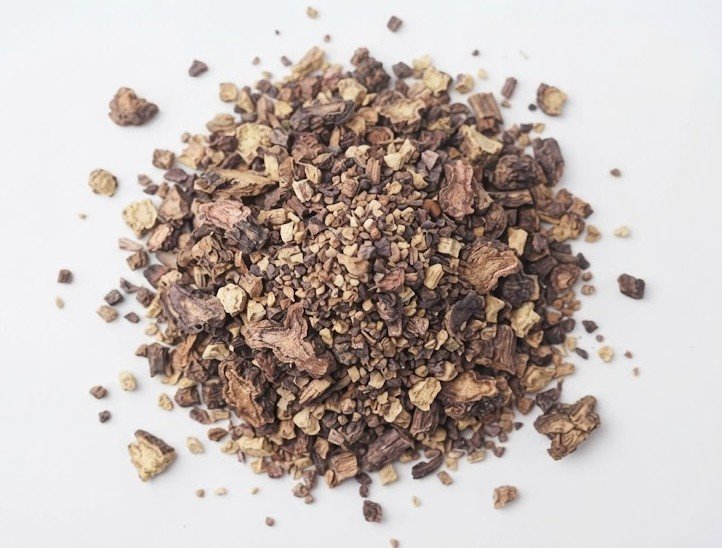
Herbal tea infusions: Brew cut dried root into a warm tea, though commercial standardized extracts offer more reliable potency.
-
Start moderately: Begin with low doses (such as 100 to 200 mg daily) to allow your nervous system to adapt comfortably to the herbal compound.
Safety Considerations for Rhodiola
The herb is remarkably safe for most individuals, but specific factors require attention:
-
Overstimulation and Insomnia: Because the plant possesses energizing properties, taking it late in the day can cause restlessness, jitteriness, or difficulty sleeping. Morning dosing prevents this issue.
-
Bipolar Disorder Precautions: Individuals with bipolar disorder or a history of manic episodes should avoid the herb. Its neurotransmitter-modulating effects can potentially trigger manic symptoms.
-
Medication Interactions: The supplement can interact with certain prescription medications, including antidepressants, blood thinners, and blood pressure drugs. Consult a healthcare professional before combining them.
-
Pregnancy and Breastfeeding: Because clinical safety data remains limited for pregnant or nursing individuals, avoidance is generally advised during these periods.
The Bottom Line
The alpine adaptogenic root backs up its traditional reputation with a solid research base, especially regarding stress reduction, fatigue resistance, and cognitive support. Distinguishing between unstandardized crude root powders and precisely standardized extracts remains the biggest variable in experiencing its benefits safely.
Done right, it makes a resilient, protective, and therapeutic addition to a broader wellness lifestyle. It offers no standalone miracle cure, but it remains one of the most scientifically validated adaptogens in natural health.